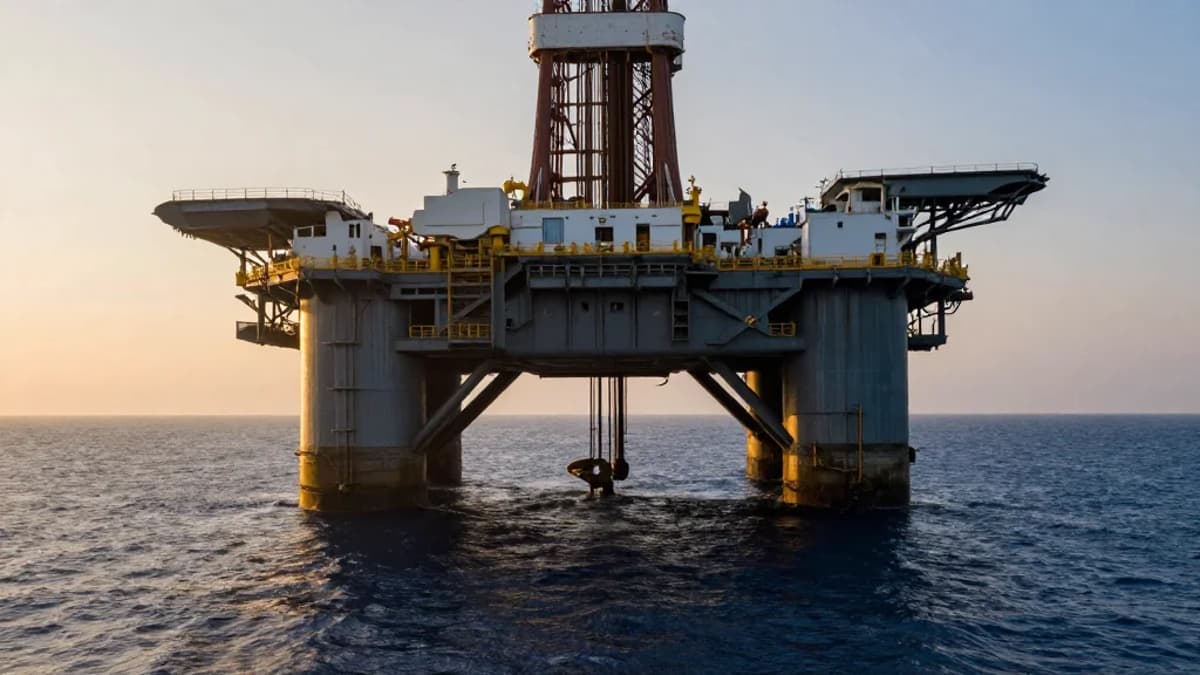
Oil and Gas Projects Now Take 15 Years to Start, Tripling Since Industry Peak: Global Energy Monitor
•March 3, 2026
0
Why It Matters
Longer development timelines amplify financial risk and limit agility as the energy transition pressures oil majors to reallocate capital toward lower‑carbon solutions.
Key Takeaways
- •Average development cycle now ~15 years.
- •Cycle three times longer than 1960‑80 era.
- •Offshore projects add roughly three extra years.
- •Deeper, complex reservoirs drive longer timelines.
- •Longer cycles raise cost‑overrun and policy risk.
Pulse Analysis
The surge in upstream lead times reflects a fundamental change in the nature of hydrocarbon discoveries. Early‑stage fields in the mid‑20th century were often shallow and abundant, allowing operators to move from seismic to first oil in under five years. Today, the low‑ hanging fruit has been exhausted, pushing firms into frontier basins where drilling depths exceed 10,000 feet and require sophisticated subsea infrastructure. This technical escalation naturally extends engineering design, permitting, and construction phases, inflating the average timeline to over a decade and a half.
Investors are now forced to reckon with a markedly different risk profile. Prolonged capital commitment ties up cash for years while market dynamics—such as volatile oil prices and tightening carbon regulations—evolve rapidly. The longer horizon magnifies exposure to cost overruns, as unforeseen geological challenges or supply‑chain disruptions can add billions to project budgets. Moreover, regulatory environments are shifting toward stricter emissions standards, meaning a field discovered today may face stricter operating constraints or even cancellation when it finally reaches production.
Strategically, oil and gas majors must balance these extended cycles against the accelerating global energy transition. Companies are increasingly scrutinized for allocating capital to assets that may become stranded under net‑zero pathways. Consequently, many are redirecting investment toward renewable portfolios, energy storage, and demand‑side solutions that promise quicker returns and lower policy risk. For stakeholders, understanding the 15‑year development reality is essential for forecasting cash flows, assessing valuation, and aligning corporate strategy with a low‑carbon future.
Oil and gas projects now take 15 years to start, tripling since industry peak: Global Energy Monitor
0
Comments
Want to join the conversation?
Loading comments...