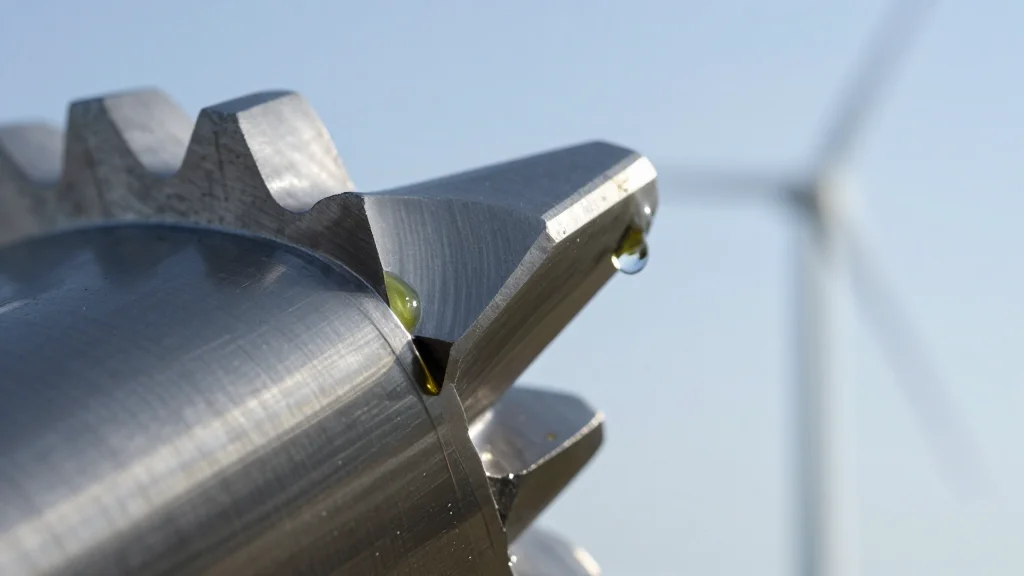
Oil as an Asset: Why Lubrication Strategy Matters More than Ever in Wind Energy
Why It Matters
Effective lubrication directly reduces unplanned turbine failures and O&M spend, boosting the economic viability of expanding wind power portfolios. It also supports sustainability goals by minimizing oil waste and extending asset life.
Key Takeaways
- •Synthetic gear oils boost turbine reliability and extend service intervals
- •Fill‑for‑life oil can last up to 25 years, cutting O&M labor
- •Proper lubricant selection mitigates wear, oxidation, and moisture damage
- •Condition‑based monitoring enables additive replenishment without full oil changes
Pulse Analysis
Wind energy now accounts for a growing share of global power generation, but rapid expansion has exposed hidden cost pressures. Operators grapple with higher maintenance bills, supply‑chain delays, and a shortage of skilled technicians, especially as turbine sizes increase and fleets age. In this context, lubrication moves from a routine task to a competitive differentiator, influencing reliability, availability, and overall project economics. By treating oil as a performance‑critical input, wind farms can better manage the wear and fatigue that drive costly gearbox repairs.
Synthetic gear oils offer distinct advantages over traditional mineral baselines, delivering superior thermal and oxidation stability, low‑temperature flow, and longer service intervals. Exxon Mobil’s whitepaper emphasizes criteria such as viscosity retention under extreme loads, resistance to sludge formation, and compatibility with copper‑alloy components common in turbine gearboxes. Advanced additive packages also address emerging failure modes like white‑etching cracking and micropitting, ensuring a protective film that endures years of cyclic stress. These technical attributes translate into fewer oil changes, reduced labor, and lower risk of catastrophic failures.
The introduction of fill‑for‑life formulations like Mobil SHC Gear 320 WindPower marks a shift toward lifecycle‑focused O&M strategies. Designed to last the turbine’s 25‑year design life, the oil eliminates routine drain‑and‑fill cycles, cutting labor costs and minimizing oil waste. Coupled with condition‑based monitoring and additive‑replenishment tactics, operators can sustain optimal lubrication performance without full oil replacements. This approach not only improves profitability but also aligns with ESG objectives by reducing environmental impact, positioning lubrication science as a pivotal lever in the next phase of wind‑energy growth.
Oil as an asset: Why lubrication strategy matters more than ever in wind energy
Comments
Want to join the conversation?
Loading comments...