Oil Holds Biggest Gain in a Month on Standoff in US-Iran Talks
Why It Matters
The price surge underscores how quickly Middle‑East diplomatic friction can tighten global oil supplies and pressure energy markets. Investors and policymakers must monitor the talks, as prolonged uncertainty could sustain elevated fuel costs.
Key Takeaways
- •Brent rose 4.2% to around $95 per barrel.
- •WTI hovered just under $92 amid diplomatic uncertainty.
- •Tehran halted talks protesting Israel's Lebanon strike.
- •Trump affirmed negotiations remain ongoing despite Tehran's pause.
Pulse Analysis
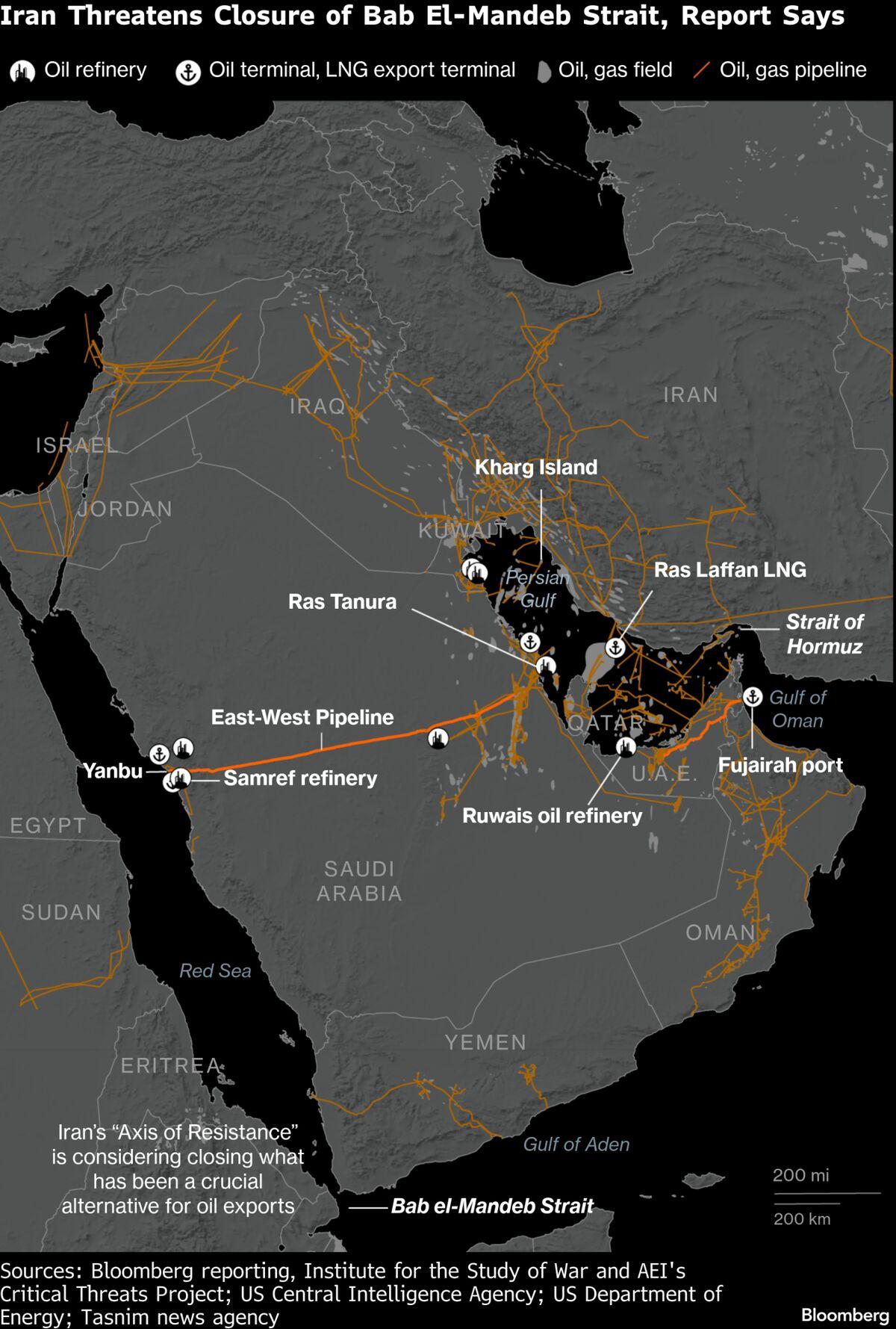
The latest jump in oil prices highlights the persistent link between geopolitical developments and commodity markets. When Tehran announced a suspension of U.S. talks in response to Israel’s Lebanon operation, traders priced in a potential disruption to Persian Gulf shipments, pushing Brent toward $95 a barrel. Such spikes are not merely speculative; they reflect real concerns about export capacity from a region that supplies roughly a third of global oil demand. The market’s rapid reaction also illustrates how quickly sentiment can shift on diplomatic cues, especially when major powers are involved.
For investors, the price movement translates into heightened volatility across energy equities, futures, and related financial instruments. Higher crude prices can boost the earnings outlook for upstream producers while squeezing margins for refiners and consumers alike. The brief rally, tempered by President Trump’s reassurance that negotiations continue, shows how political statements can act as a counterbalance to risk premiums. Analysts now watch for any further escalation that could cement a new price floor, as even a modest, sustained increase can reshape supply‑demand dynamics and influence global inflation trends.
Looking ahead, the trajectory of oil will hinge on the durability of U.S.-Iran dialogue and the broader Middle‑East security environment. If talks stall or conflict intensifies, the market may price in longer‑term supply constraints, keeping Brent and WTI near or above current levels. Conversely, a credible diplomatic breakthrough could restore confidence and ease price pressure. Stakeholders—from corporate treasurers to policy advisors—should therefore incorporate scenario‑based planning, considering both the risk of prolonged geopolitical tension and the upside of a negotiated de‑escalation.
Oil Holds Biggest Gain in a Month on Standoff in US-Iran Talks
Comments
Want to join the conversation?
Loading comments...