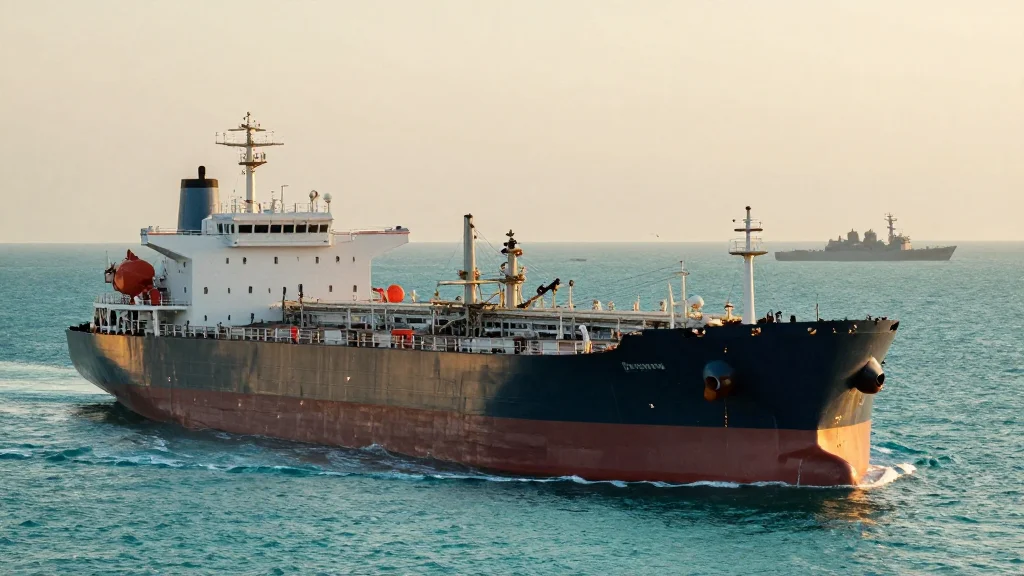
Oil Jumps to Highest Level Since June 2022 as War Continues
Companies Mentioned
Why It Matters
The price spike signals a tightening global oil market, raising inflation risks and prompting policymakers to reassess energy security strategies. It also underscores the geopolitical leverage of supply disruptions on commodity pricing.
Key Takeaways
- •Brent tops $119 per barrel as Hormuz remains blocked
- •U.S. crude inventories fall while exports hit record levels
- •UAE exits OPEC, altering cartel’s production calculus
- •Analysts expect oil futures to stay near cash prices
- •Inflation pressure rises from higher gasoline and jet fuel costs
Pulse Analysis
The latest surge in oil prices reflects the deepening geopolitical rift between the United States and Iran, which has effectively shut the Strait of Hormuz—a chokepoint for roughly one‑fifth of the world’s oil and LNG supply. With Brent breaching $119 a barrel, the market is pricing in a prolonged disruption, pushing traders to hedge aggressively ahead of the June futures expiry. This environment revives memories of the 2022 supply shock, reminding investors that even a single maritime bottleneck can reshape global energy pricing.
Domestically, the United States is feeling the strain of the conflict as strategic petroleum reserves dip and daily crude inventories shrink. At the same time, U.S. crude exports have surged to record levels, a response to both higher global demand and the need to offset Middle Eastern shortfalls. The combined effect is a tighter physical market, which fuels higher gasoline, diesel, and jet fuel prices—key components of headline inflation. Policymakers and corporate treasurers are therefore watching oil price trajectories closely, as sustained elevations could force monetary authorities to tighten policy sooner than anticipated.
The geopolitical fallout also reverberates through OPEC’s internal dynamics. The United Arab Emirates’ decision to leave the cartel, announced on April 28, signals a desire for greater flexibility amid the crisis. While OPEC’s overall influence may be muted while Hormuz remains blocked, the UAE’s exit could prompt a re‑evaluation of production quotas and coordination mechanisms. Market participants will monitor whether other members follow suit, potentially reshaping the balance of supply and further influencing price volatility in the months ahead.
Oil Jumps to Highest Level Since June 2022 as War Continues
Comments
Want to join the conversation?
Loading comments...