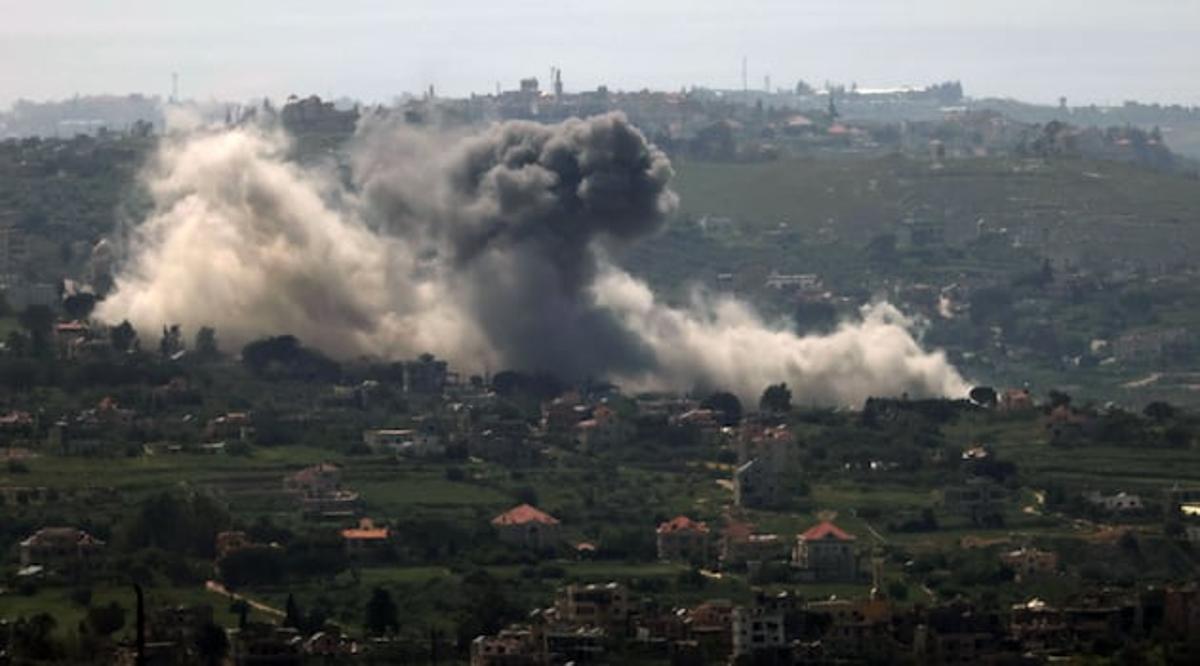
Oil Price Climbs Above $110 for First Time in Three Weeks as US-Iran Peace Efforts Falter
Companies Mentioned
Why It Matters
The surge shows how geopolitical risk can instantly lift oil prices, driving inflation higher and prompting tighter monetary policy that impacts bonds and borrowing costs worldwide.
Key Takeaways
- •Brent crude topped $110 per barrel, first rise in three weeks
- •US‑Iran peace talks stalled, keeping Strait of Hormuz closed
- •Gulf Cooperation Council met in Jeddah to coordinate response
- •Tullow Oil fetched $130/barrel for Ghana shipment amid crisis
- •BP Q1 profit jumped 130% to $3.2 billion as oil prices surge
Pulse Analysis
The recent breach of the $110‑a‑barrel threshold marks a stark reminder that geopolitical flashpoints still dominate the oil market. Since the start of the US‑Israel‑Iran conflict in February, Brent has rallied from under $60 to a peak of $119, driven by Iran’s near‑total shutdown of traffic through the Strait of Hormuz and attacks on Gulf energy infrastructure. With US officials signaling no immediate breakthrough in peace talks, supply constraints remain acute, pushing forward‑looking traders to price in a prolonged risk premium.
Higher oil prices are now spilling over into broader macroeconomic concerns. Inflation‑sensitive economies in the United States, Europe and the United Kingdom are seeing energy‑driven price pressures climb, prompting analysts to warn that central banks may have to resume rate hikes sooner than anticipated. Bond markets have already reacted, with yields edging higher as investors price in the likelihood of tighter monetary policy to curb the inflationary surge. The oil‑price rally therefore acts as a catalyst for a feedback loop that could tighten financial conditions across major economies.
Corporate players are feeling the ripple effects. Irish‑based Tullow Oil secured a record $130 per barrel for a Ghana shipment, far above benchmark levels, while British oil major BP reported a 130% jump in Q1 underlying profit to $3.2 billion, far exceeding analyst forecasts. These earnings spikes underscore how conflict‑driven supply shocks can translate into windfall gains for producers, even as households grapple with higher fuel costs. Meanwhile, Gulf leaders gathered in Jeddah to align their response, highlighting the strategic importance of regional coordination in a market where a single chokepoint can dictate global pricing dynamics.
Oil price climbs above $110 for first time in three weeks as US-Iran peace efforts falter
Comments
Want to join the conversation?
Loading comments...