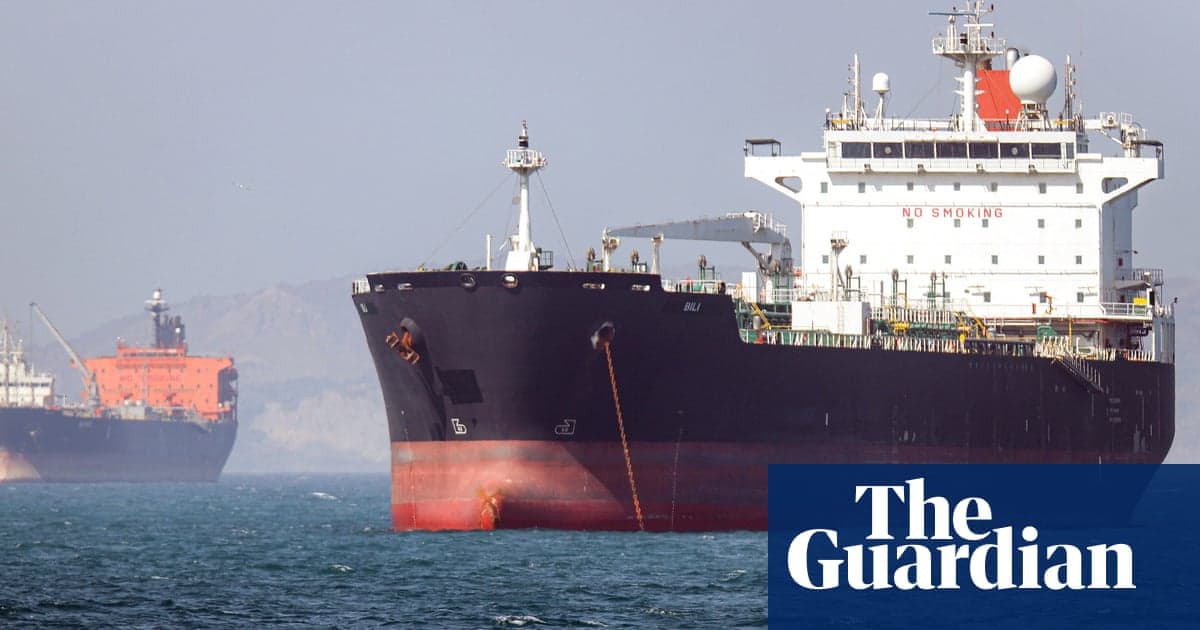
Oil Prices Fall as Trump Says Strait of Hormuz ‘Open to All’ if Iran Accepts Deal
Why It Matters
The prospect of reopening Hormuz could ease the global energy squeeze and boost risk assets, but the conditional nature of the deal leaves markets vulnerable to renewed tension.
Key Takeaways
- •Brent fell 11% to $97/barrel, first sub‑$100 since April 22.
- •Trump paused “Project Freedom” escort, pending Iran deal, blockade remains.
- •European equities rallied 2‑3%; S&P 500 rose about 1.5%.
- •UK gilt yields fell 9 bps to 5.63% as bond market steadied.
- •CMA CGM reported Hormuz attack on ship, crew injured, vessel damaged.
Pulse Analysis
The Strait of Hormuz, a chokepoint that moves roughly 20% of global oil supplies, has been a flashpoint since Iran’s February blockade. Trump’s latest diplomatic overture – tying unrestricted navigation to an Iranian agreement – instantly deflated risk premiums embedded in crude contracts. By signaling a possible end to the "Project Freedom" escort mission, the administration reduced the perceived probability of supply disruptions, allowing Brent to tumble from its recent $126 peak to just under $100. This price correction not only lowers input costs for refiners but also reshapes the profit outlook for energy‑intensive industries worldwide.
Equity markets responded with vigor. European benchmarks such as the FTSE 100, CAC 40, and DAX each posted gains of 2‑3%, while the S&P 500 added roughly 1.5% on the back of improved sentiment. The rally was bolstered by a 6.6% surge in South Korea’s Kospi, driven by AI‑related stocks and Samsung’s near‑$1 trillion market cap. Fixed‑income investors found relief as UK long‑term gilt yields slipped 9 basis points to 5.63%, reflecting expectations of lower inflation pressure if the geopolitical tension eases. Gold, the traditional hedge, climbed 3% to about $4,695 an ounce, indicating that investors remain cautious about any sudden reversal.
Nevertheless, the situation remains fragile. Iran’s Revolutionary Guard Navy pledged safe transit only if U.S. threats cease, yet the lack of detail on new procedures leaves room for ambiguity. The recent attack on CMA CGM’s *San Antonio* illustrates that operational hazards persist despite diplomatic signals. Analysts caution that any breakdown in negotiations could trigger a rapid re‑escalation, reigniting oil price volatility and tightening credit conditions. Stakeholders should monitor the forthcoming memorandum of understanding and any subsequent nuclear‑talk framework, as these will dictate whether the market’s optimism is sustainable or merely a temporary reprieve.
Oil prices fall as Trump says strait of Hormuz ‘open to all’ if Iran accepts deal
Comments
Want to join the conversation?
Loading comments...