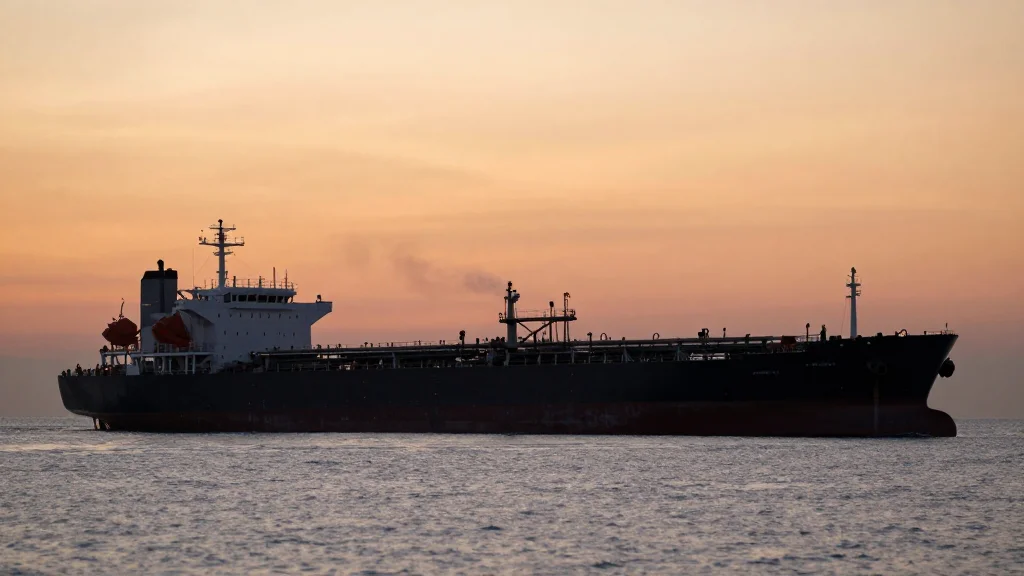
Oil Prices Hit Four-Year Highs as Iran-Hormuz Tensions Spur UAE Exit From OPEC

Why It Matters
The surge in Brent crude to a four‑year high re‑ignites concerns about energy security at a time when global economies are still recovering from pandemic‑induced disruptions. Higher oil prices translate into increased fuel costs for consumers and higher operating expenses for businesses, potentially stalling economic growth. The UAE’s exit from OPEC further complicates the supply‑side equation, as the organization loses a major producer that has historically helped balance output to stabilize prices. Together, these developments could reshape the dynamics of the global oil market, prompting a reassessment of both short‑term trading strategies and long‑term energy policy. For oil‑importing countries, the twin shocks highlight the need to diversify energy sources and accelerate the transition to alternative fuels. For producers, the situation creates both risk and opportunity: those able to navigate the geopolitical landscape may capture higher revenues, while those reliant on coordinated OPEC mechanisms may face greater uncertainty. The evolving scenario will likely influence investment decisions across the energy value chain for years to come.
Key Takeaways
- •Brent crude reached its highest level since 2022 on April 30, 2026, amid Iran‑Hormuz conflict.
- •UAE announced withdrawal from OPEC after nearly six decades, citing Hormuz disruptions.
- •FTSE 100 fell 0.59% as investors priced in heightened Middle East geopolitical risk.
- •Hormuz Strait closure limited Persian Gulf oil flow, driving the price rally.
- •OPEC now faces reduced coordination capacity with the loss of a major producer.
Pulse Analysis
The recent oil price rally is a textbook example of how geopolitical flashpoints can instantly override fundamental demand‑supply balances. While the pandemic era taught markets to focus on inventory levels and macro‑economic data, the Hormuz crisis reminded traders that a single chokepoint can still dictate price trajectories. The UAE’s decision to leave OPEC is more than a symbolic break; it signals a shift toward production autonomy that could erode the cartel’s credibility. Historically, OPEC’s strength has rested on collective discipline; a fragmented membership may embolden rogue output increases, especially if member states perceive the market as favoring higher prices.
From a strategic perspective, the move also reflects the UAE’s calculation that its own fiscal resilience—bolstered by sovereign wealth funds and diversified non‑oil revenues—allows it to weather short‑term price swings without the safety net of OPEC quotas. This could set a precedent for other oil‑rich nations to pursue similar paths, potentially leading to a more market‑driven pricing regime. However, the downside is heightened volatility, which could destabilize economies that remain heavily dependent on oil imports.
In the longer term, the episode underscores the urgency for both producers and consumers to accelerate the energy transition. Persistent supply risks and price spikes make renewable investments and energy efficiency measures more attractive. Policymakers in importing nations may accelerate strategic reserve builds and explore alternative supply routes, while producers might diversify portfolios to include low‑carbon assets. The interplay between geopolitics, market structure, and the energy transition will define the next decade of oil market dynamics.
Oil Prices Hit Four-Year Highs as Iran-Hormuz Tensions Spur UAE Exit from OPEC
Comments
Want to join the conversation?
Loading comments...