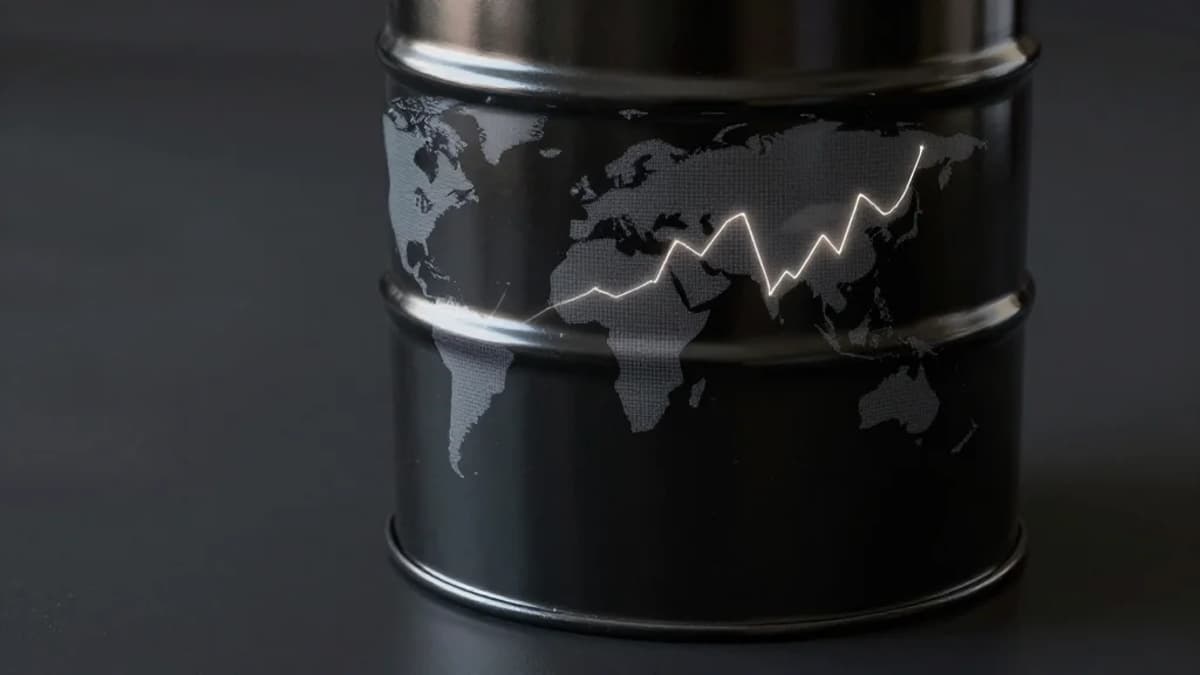
Oil Prices Level Out Despite Possible Opec-Plus Supply Growth
Why It Matters
Stabilised prices signal that investors are balancing supply growth prospects with demand softness, shaping near‑term investment and hedging strategies across the energy sector.
Key Takeaways
- •Prices flat after volatile trading session.
- •OPEC+ could raise output later this year.
- •Demand outlook tempered by global economic slowdown.
- •Geopolitical tensions still support price floor.
- •Market watches inventory data for direction.
Pulse Analysis
The recent flattening of crude benchmarks reflects a market caught between two opposing forces. On one side, macroeconomic data from major economies point to slower growth, weakening oil demand forecasts. On the other, geopolitical flashpoints—particularly in the Middle East and Eastern Europe—continue to underpin a risk premium that prevents prices from sliding further. This tug‑of‑war has produced a narrow trading range, prompting traders to focus on forward curves and inventory reports for clues about future direction.
OPEC‑plus, the cartel’s expanded alliance, remains a pivotal variable. While the group has signaled a willingness to increase production later in the year to address excess inventories, it has also emphasized a cautious approach to avoid market oversupply. Analysts estimate a potential output boost of up to 500,000 barrels per day, but the timing hinges on quarterly demand assessments and member consensus. Any premature hike could erode the modest price support currently observed, whereas a delayed increase may reinforce the current equilibrium.
For investors and downstream players, the price plateau offers a brief window to recalibrate exposure. Energy firms can lock in financing costs and hedge strategies without the volatility that characterized earlier weeks. Meanwhile, refiners may benefit from stable feedstock costs, supporting margin recovery. However, the underlying uncertainty—driven by both economic data releases and OPEC‑plus policy shifts—means that market participants must stay vigilant, monitoring inventory builds, geopolitical developments, and the cartel’s production statements to anticipate the next price move.
Oil Prices Level Out Despite Possible Opec-Plus Supply Growth


Comments
Want to join the conversation?
Loading comments...