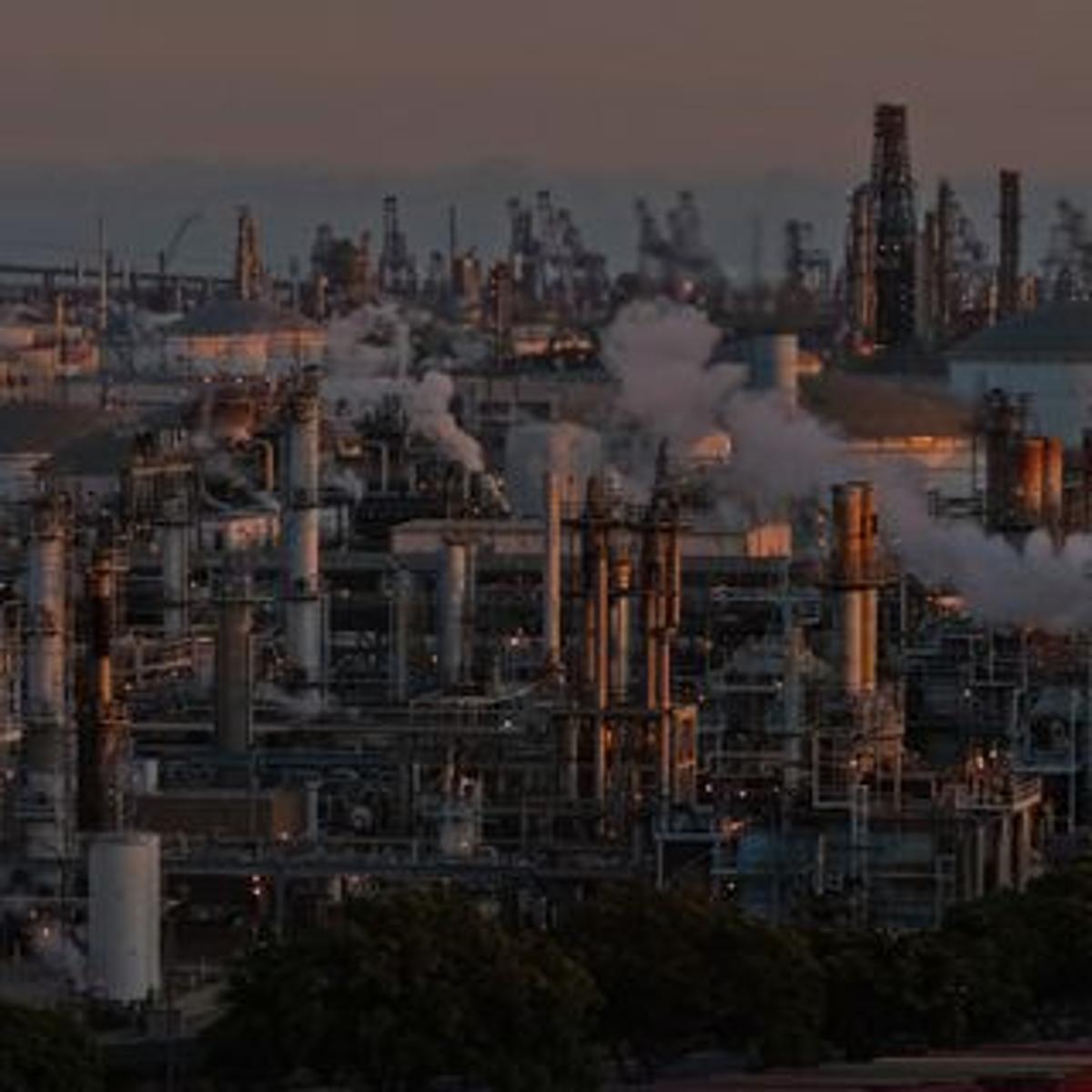
Oil Prices Plunge Following U.S.-Iran Ceasefire
Why It Matters
The price collapse underscores how geopolitical risk in the Strait of Hormuz can instantly reshape global oil pricing, affecting everything from refinery margins to consumer gasoline costs.
Key Takeaways
- •Brent fell 13% after U.S.-Iran ceasefire announcement
- •WTI dropped 14%, breaching $95 per barrel threshold
- •Strait of Hormuz reopening remains uncertain, affecting shipping confidence
- •Middle East producers cut 7.5 million barrels daily in March
- •Physical oil market hit record $144.42 Dated Brent price
Pulse Analysis
The sudden price swing illustrates the razor‑thin margin between geopolitical stability and market volatility. When Trump confirmed a two‑week ceasefire, traders instantly priced out the risk of a prolonged Hormuz closure, a waterway that moves about 25% of the world’s oil. While Brent and WTI slid below the $100 mark, they stayed above the $70‑plus levels seen before the February flare‑up, indicating that the market still prices in lingering uncertainty about the strait’s operational status.
Shipping confidence now serves as the market’s litmus test. Analysts at the Center for Strategic & International Studies stress that tanker operators will only resume routes if Tehran provides clear safety assurances. The lack of detailed coordination mechanisms means that even a nominal reopening could be hampered by perceived threats, keeping freight premiums elevated. This dynamic not only influences crude flows but also affects liquefied natural gas and other energy cargoes that rely on the narrow passage.
Beyond the immediate price dip, the broader oil landscape remains strained. Middle Eastern producers collectively shut in roughly 7.5 million barrels per day in March, a figure that likely rose in April, tightening supply just as physical market benchmarks like Dated Brent reached an all‑time high of $144.42. The juxtaposition of record physical prices with falling futures highlights a market caught between short‑term risk mitigation and long‑term supply constraints, suggesting that any further geopolitical shifts could reignite price volatility and reshape global energy trade patterns.
Oil prices plunge following U.S.-Iran ceasefire
Comments
Want to join the conversation?
Loading comments...