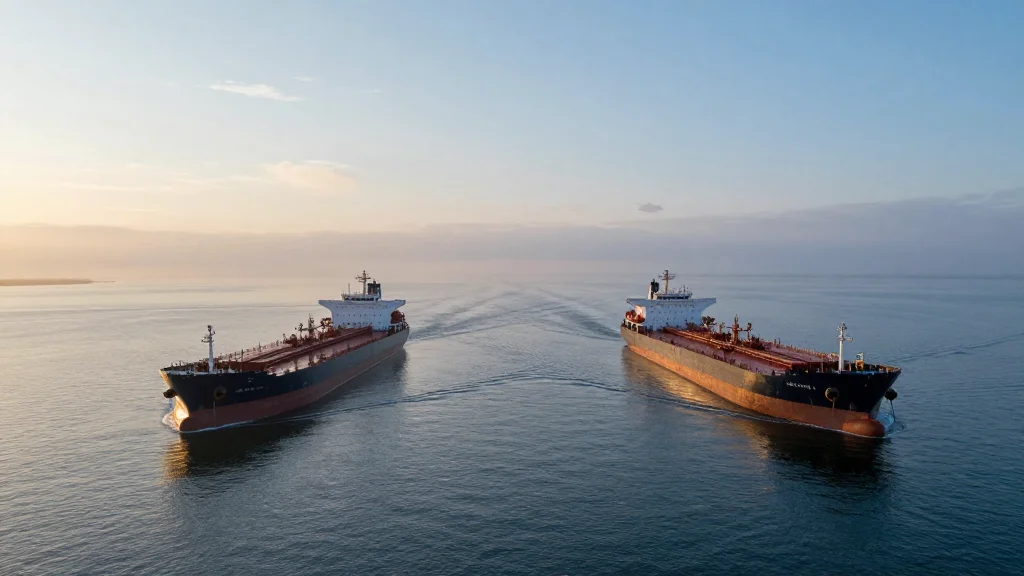
Oil Prices Rise After Reports of Container Ships in Hormuz Being Hit by Gunfire
Why It Matters
The incident underscores how geopolitical flashpoints can instantly lift oil prices, tightening global energy markets and prompting traders to reassess supply risk premiums. It also highlights the fragility of key transit routes that handle roughly one‑fifth of world oil and LNG flows.
Key Takeaways
- •Brent crude crossed $100/barrel after Hormuz gunfire reports.
- •Container ships hit, raising geopolitical risk premium on oil.
- •Iran's restrictions and US‑Iran ceasefire talks heighten market volatility.
- •EIA inventory draw of 4.5 million barrels supports price surge.
- •Europe eyes Russian oil pipeline restart amid shifting supply routes.
Pulse Analysis
The sudden spike in Brent and WTI prices reflects the market’s immediate reaction to security threats in the Strait of Hormuz, a chokepoint that moves about 20% of global oil and liquefied natural gas. When maritime incidents occur, traders quickly price in a risk premium, driving futures above psychological thresholds such as $100 per barrel. This price movement also mirrors broader concerns about supply chain disruptions, especially as Iran continues to impose navigation restrictions in retaliation for regional conflicts.
Geopolitical dynamics are further complicated by the tentative extension of a U.S.‑Iran cease‑fire, announced by President Donald Trump just hours before its expiry. While the extension aims to keep diplomatic channels open, uncertainty remains over whether Iran or its regional ally Israel will honor the truce. Simultaneously, Europe’s energy landscape is shifting, with Ukraine’s President Zelenskiy signaling a possible restart of the Druzhba pipeline, while Russia plans to halt Kazakh oil exports to Germany. These developments add layers of complexity to an already volatile market, prompting investors to monitor both political statements and on‑the‑ground incidents.
On the supply side, the Energy Information Administration’s upcoming report shows a 4.5 million‑barrel decline in U.S. crude inventories, reinforcing the bullish price action. Analysts interpret the draw, combined with robust export flows, as evidence that global consumers—particularly in Europe and the Far East—are scrambling for oil amid tightening supplies. The convergence of geopolitical risk, inventory reductions, and shifting trade routes suggests that elevated oil prices could persist, prompting refiners and policymakers to reassess risk management strategies.
Oil prices rise after reports of container ships in Hormuz being hit by gunfire
Comments
Want to join the conversation?
Loading comments...