Oil Prices Rise After U.S. Strikes on Iran
Companies Mentioned
Why It Matters
The price swing underscores how geopolitical risk can quickly reshape oil markets, influencing inflation, corporate margins and overall market sentiment. Investors and policymakers must monitor the conflict’s trajectory as it directly affects financing conditions and consumer spending.
Key Takeaways
- •Brent crude rose 4% to $97.14 per barrel.
- •US crude fell 2.7% to $94.01 per barrel.
- •S&P 500 gained 0.4% as yields slipped to 4.51%.
- •United Airlines up 5.1% on lower fuel costs.
- •Micron surged 18.4% after UBS raised price target.
Pulse Analysis
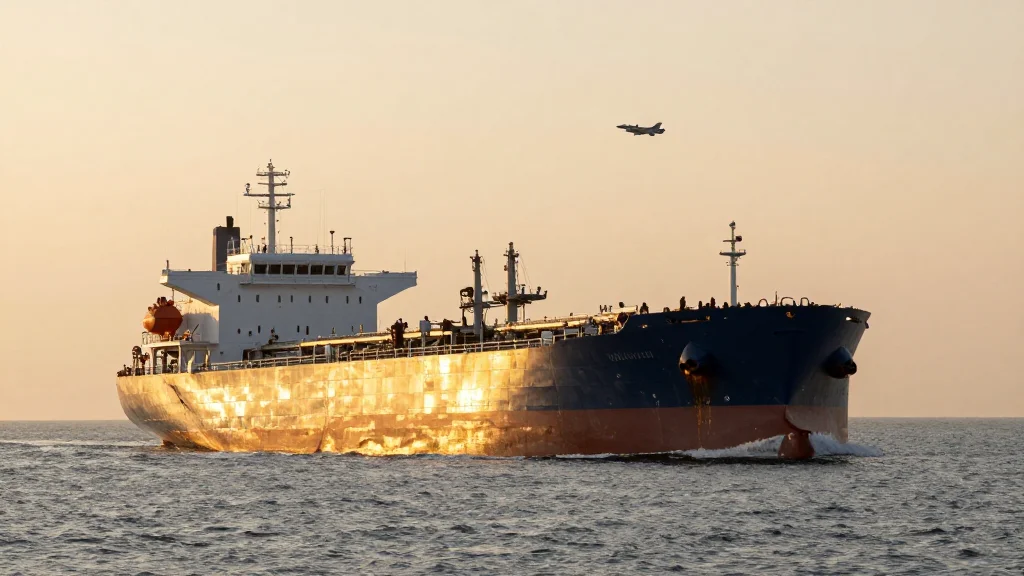
The latest U.S. self‑defense strikes in southern Iran have injected fresh geopolitical risk into the already tight global oil market. By targeting missile sites and mine‑laying vessels, the United States signaled a willingness to keep pressure on Tehran, while the conflict continues to choke the Strait of Hormuz— the world’s most critical chokepoint for crude exports. As a result, Brent crude rebounded 4% to $97.14 a barrel, recapturing part of the 7.1% plunge seen the day before, and underscoring how quickly supply‑side shocks can translate into price spikes.
The oil rally reverberated across equity markets, lifting stocks that are sensitive to fuel costs. United Airlines jumped more than 5%, and Carnival Cruise posted a 2.8% gain as lower jet fuel and bunker prices improve margins. At the same time, the dip in oil prices helped pull the 10‑year Treasury yield down to 4.51%, easing financing pressures for corporations and consumers alike. Technology leaders such as Micron benefited from unrelated earnings momentum, but the broader market’s resilience reflects a delicate balance between energy volatility and strong corporate earnings.
Beyond the immediate market moves, the episode highlights the persistent inflationary drag of Middle‑East tensions. Higher crude prices have already fed global price growth, prompting a modest decline in U.S. consumer confidence. With mortgage rates hovering near historic highs and yields trending lower only temporarily, policymakers face a trade‑off between curbing inflation and supporting growth. Investors will be watching diplomatic channels closely; a durable de‑escalation could stabilize oil supplies, lower input costs, and reinforce the recent rally in U.S. equities, while renewed hostilities would likely reignite price spikes and market uncertainty.
Oil Prices Rise After U.S. Strikes on Iran
Comments
Want to join the conversation?
Loading comments...