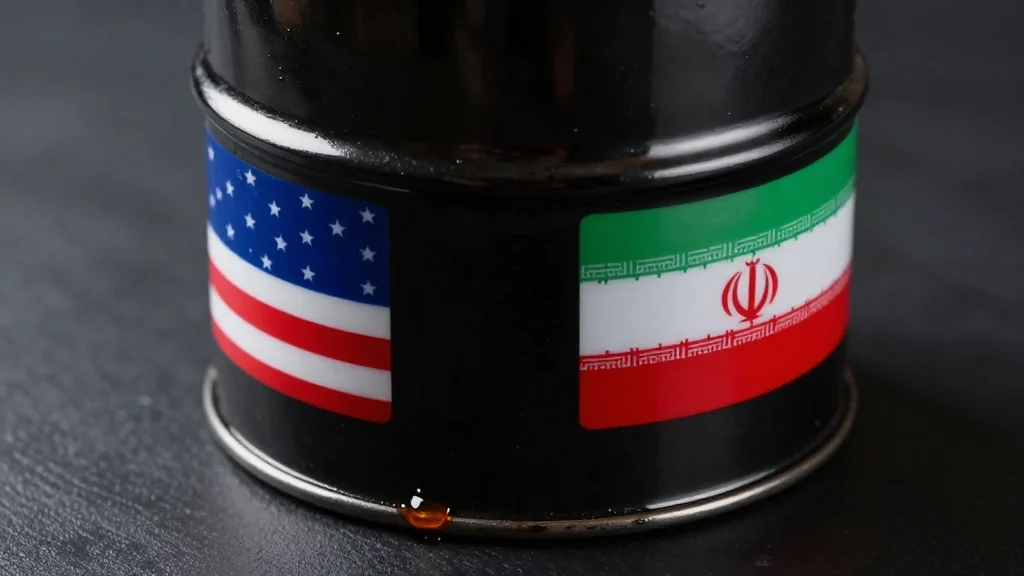
Oil Prices Rise as Failed Deal Between U.S. and Iran Raises Risk of Prolonged War
Companies Mentioned
Why It Matters
Higher crude prices lift input costs for manufacturers and add inflation pressure, while renewed geopolitical risk could tighten global energy supplies.
Key Takeaways
- •U.S.-Iran talks collapsed after 21 hours, reigniting war risk.
- •WTI May futures up 8% to $104.39 per barrel.
- •Brent June contracts near $103, reflecting broader market rally.
- •Potential Hormuz shipping disruptions could tighten global oil flow.
- •SocGen says price jump less severe than previous crises.
Pulse Analysis
The latest oil rally underscores how quickly geopolitical flashpoints can translate into price volatility. When diplomatic channels between Washington and Tehran stalled, traders priced in the possibility of a sustained conflict that could jeopardize the Strait of Hormuz, a chokepoint through which roughly a third of global oil passes. Although the 8% jump in WTI and Brent is sizable, analysts like SocGen point out that markets have already factored in worst‑case scenarios from previous Gulf crises, tempering the surge.
Beyond headline numbers, the price surge reverberates through the broader economy. Elevated crude costs cascade into higher gasoline and jet fuel prices, squeezing household budgets and raising operating expenses for logistics‑heavy industries. For central banks already wrestling with inflation, the oil shock adds a layer of complexity to monetary policy decisions. Moreover, any interruption to Hormuz traffic would compress global supply, potentially prompting strategic petroleum reserves releases and prompting refiners to adjust feedstock sourcing.
Looking ahead, investors will monitor diplomatic overtures, naval deployments, and OPEC+ production decisions for clues on price direction. If negotiations reopen, a swift de‑escalation could restore confidence and pull prices back toward the $90‑$95 range. Conversely, an escalation could push Brent toward $110, prompting airlines, manufacturers, and consumers to seek alternative energy strategies. Companies with diversified energy portfolios or exposure to renewable technologies may find a competitive edge as the market navigates this heightened risk environment.
Oil prices rise as failed deal between U.S. and Iran raises risk of prolonged war
Comments
Want to join the conversation?
Loading comments...