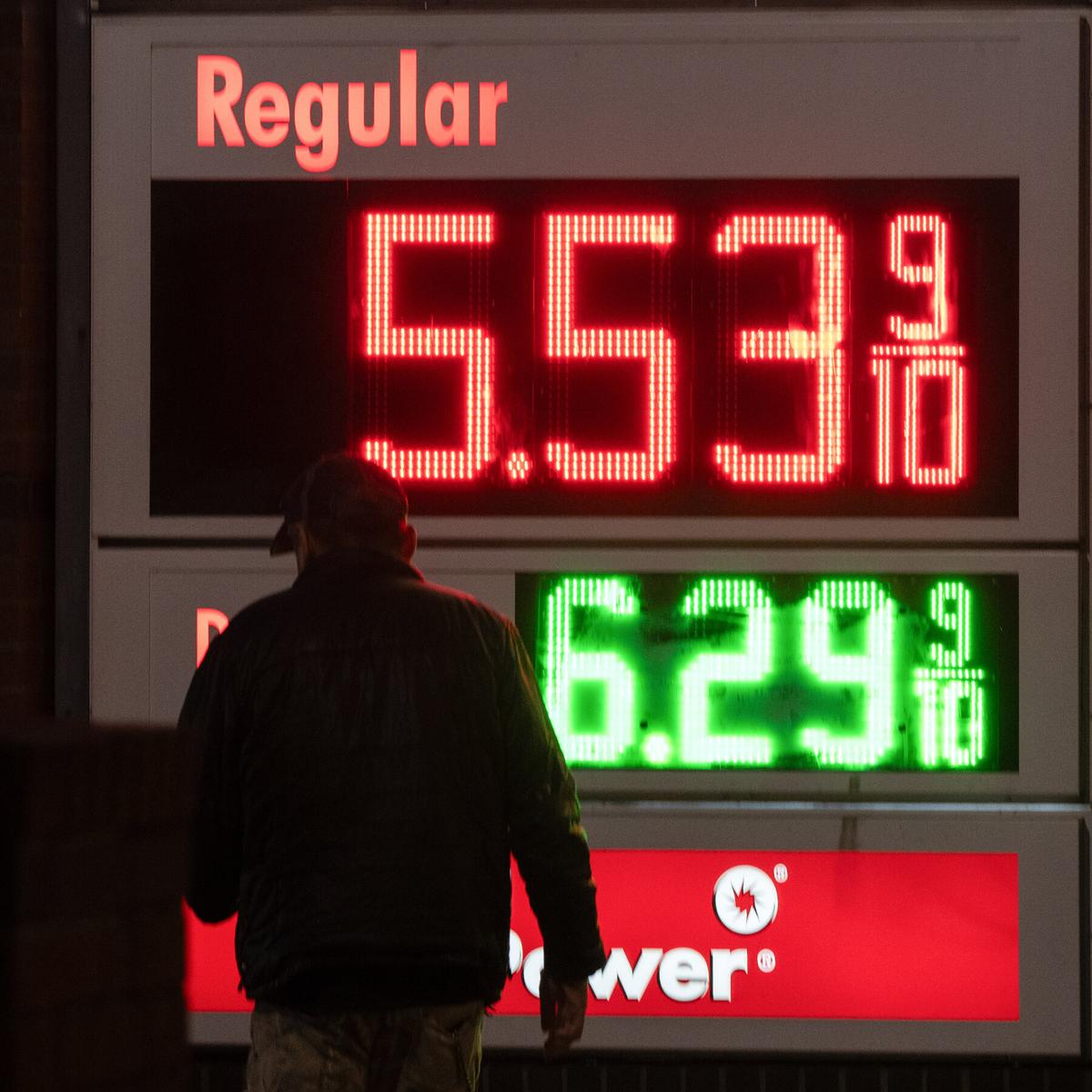
Oil Prices Rise as Prospects for U.S.-Iran Peace Deal Fizzle
Why It Matters
The diplomatic setback threatens Middle‑East oil flow stability, nudging global prices higher and pressuring U.S. consumers, while the possible tax pause shows policymakers leveraging fiscal tools to mitigate domestic price spikes.
Key Takeaways
- •Oil prices climbed after US‑Iran deal stalled
- •Trump labeled Iran's offer “totally unacceptable.”
- •Tehran seeks 30‑day cease‑fire, reopening Hormuz
- •Federal gas tax adds 18.4¢ per gallon
- •Administration may pause gas tax to curb prices
Pulse Analysis
The latest surge in crude prices underscores how fragile the global oil market remains when geopolitical negotiations falter. The United States and Iran have long been at odds over regional influence, and any delay in a peace framework instantly reverberates through futures contracts and spot markets. Traders are pricing in heightened risk premiums, especially given the proximity of major production hubs to the Persian Gulf, where even a brief disruption can ripple across the supply chain and elevate benchmark benchmarks like Brent and WTI.
Central to the tension is the Strait of Hormuz, a narrow waterway that channels roughly 20% of the world’s petroleum. Tehran’s proposal to pause hostilities for 30 days and lift its blockade would temporarily restore the flow of oil tankers, but the lack of a binding agreement leaves the corridor vulnerable to sudden closures. Such an event would force shippers to reroute around the Cape of Good Hope, inflating freight costs and further tightening global supply, which could keep prices elevated well beyond the immediate news cycle.
Domestically, the administration’s contemplation of pausing the 18.4‑cent federal gasoline tax reflects a tactical response to cushion American motorists from volatile pump prices. While the tax pause would provide modest short‑term relief, it also signals a broader willingness to employ fiscal levers amid energy market turbulence. Policymakers must balance consumer relief with revenue considerations, especially as the federal budget faces competing priorities. The move could set a precedent for future interventions whenever geopolitical shocks threaten domestic fuel affordability.
Oil Prices Rise as Prospects for U.S.-Iran Peace Deal Fizzle
Comments
Want to join the conversation?
Loading comments...