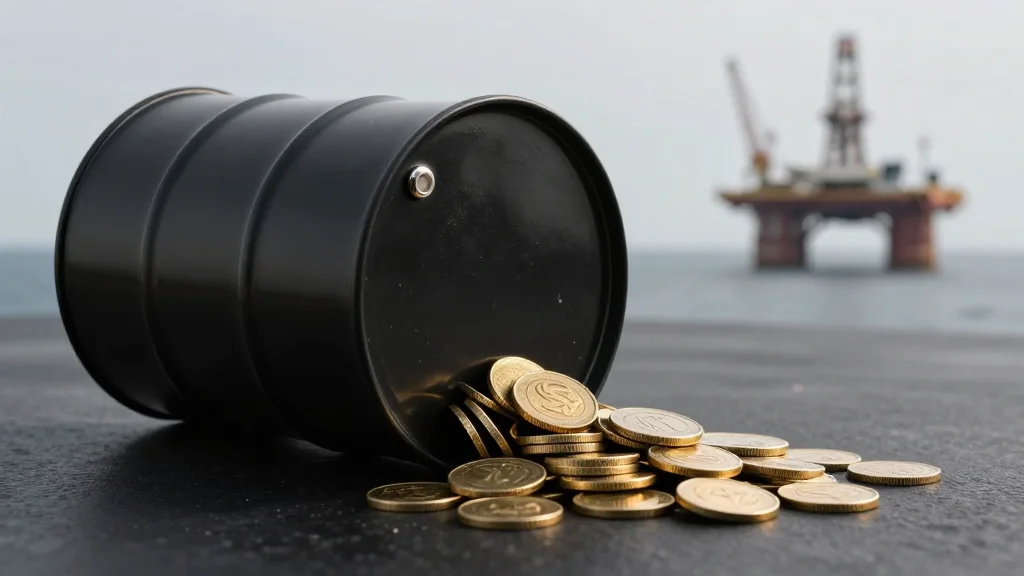
Oil Prices Tumble Most Since 2020 in May without Hitting $200 a Barrel. H...
Why It Matters
The correction underscores how geopolitical risk premiums can quickly reshape oil markets, affecting energy‑related earnings and inflation pressures worldwide.
Key Takeaways
- •Brent fell 20% in May, settling at $92.05.
- •Largest monthly drop since March 2020 pandemic shock.
- •Wall Street fears rapid U.S.-Iran war resolution.
- •Cease‑fire doubts keep oil above pre‑war levels.
- •Volatility may pressure energy stocks and inflation outlook.
Pulse Analysis
The May oil market shock reflects a rare convergence of geopolitical tension and market psychology. Brent and WTI both slumped more than 20%, a decline not seen since the pandemic‑induced demand collapse of 2020. Traders attribute the tumble to heightened fear that a rapid U.S.–Iran cease‑fire could instantly lift the bottleneck in the Strait of Hormuz, a critical chokepoint for global crude supplies. This scenario forced investors to price in a sudden supply surge, compressing futures and prompting a broad sell‑off across energy equities.
Beyond the immediate price move, the episode highlights the fragile balance between geopolitical risk and commodity fundamentals. While the cease‑fire would restore normal flow volumes, the market remains skeptical that diplomatic talks alone can fully normalize shipments, leaving a risk premium baked into prices. Analysts are watching inventory data, tanker movements, and OPEC+ production decisions closely, as any misstep could reignite volatility. The uncertainty also feeds into broader macro considerations, such as the potential for lower oil prices to ease inflationary pressures on the U.S. economy, yet it may also erode revenue forecasts for major oil producers.
For investors, the sharp correction serves as a reminder to diversify exposure and monitor geopolitical developments closely. Energy‑focused portfolios may experience short‑term headwinds, while sectors reliant on lower fuel costs could benefit if the price dip persists. Policymakers, too, must weigh the trade‑off between encouraging diplomatic resolutions and maintaining strategic petroleum reserves to buffer against abrupt supply swings. In a market where a single diplomatic breakthrough can trigger a 20% price swing, vigilance remains paramount.
Oil prices tumble most since 2020 in May without hitting $200 a barrel. H...
Comments
Want to join the conversation?
Loading comments...