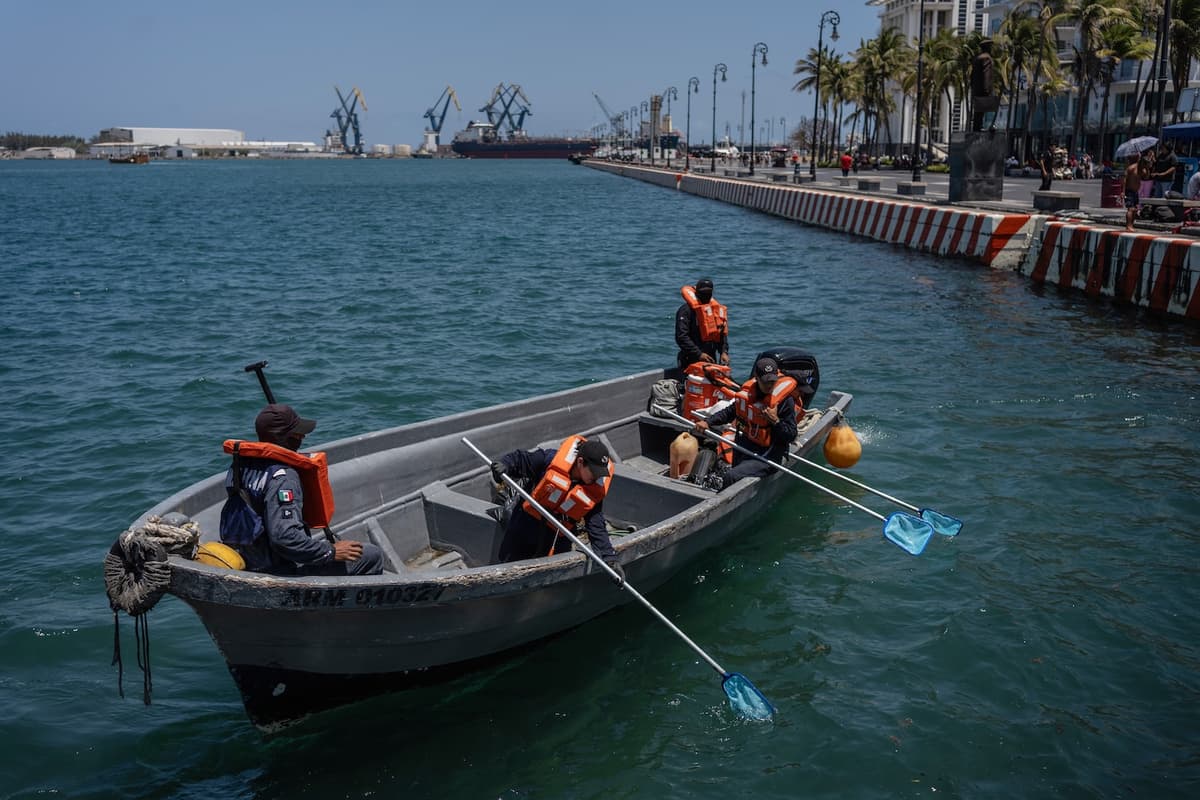
Oil Spill Continues in Gulf of Mexico Vulnerable Habitats, While Pemex Admits Fault
Why It Matters
The spill underscores systemic safety gaps in Pemex’s aging infrastructure and jeopardizes critical marine habitats and coastal economies, prompting urgent regulatory scrutiny.
Key Takeaways
- •933 km (580 miles) of Gulf shoreline contaminated
- •Pemex admits pipeline leak caused spill after two‑month denial
- •Over 1,000 marine species, including endangered Kemp’s ridley turtles, at risk
- •Local fisheries and ecotourism halted, communities face economic losses
- •Cleanup removed 825 metric tons of tar, but long‑term impacts remain uncertain
Pulse Analysis
The Gulf of Mexico has seen a surge in oil‑related incidents as exploration pushes into deeper waters and aging pipelines strain under higher pressure. Pemex’s admission that a Cantarell‑field pipeline leak sparked the current spill highlights chronic maintenance shortfalls and a culture of under‑reporting that hampers timely response. Satellite monitoring and independent NGOs have become essential watchdogs, exposing gaps that official channels often downplay. This incident adds to a growing list of environmental liabilities that could reshape the company’s risk profile and attract tighter oversight from Mexico’s energy regulator.
Ecologically, the spill strikes at a biodiversity hotspot. The Alvarado Lagoon and adjacent coral reefs host nearly 500 shore‑fish species, extensive mangrove forests, and critical nesting grounds for Kemp’s ridley turtles—one of the world’s most endangered sea‑turtle species. Oil on the sand can trap hatchlings, while sub‑surface contamination disrupts primary producers, threatening the entire food web. Researchers draw parallels to the 2010 Deepwater Horizon disaster, noting that long‑term population declines in whales and fish can persist for a decade or more, suggesting that the Gulf’s recovery may be protracted and costly.
For coastal communities, the spill translates into immediate economic hardship. Fishing nets, tourism tours, and local markets have been shuttered, leaving residents without reliable income. The episode underscores the need for a robust, transparent spill‑response framework, including real‑time monitoring, rapid containment resources, and clear compensation mechanisms. Strengthening these safeguards could mitigate future incidents, protect the Gulf’s ecological assets, and preserve the livelihoods that depend on them.
Oil spill continues in Gulf of Mexico vulnerable habitats, while Pemex admits fault
Comments
Want to join the conversation?
Loading comments...