Oilfield Services Majors Bank on Flood of Oil, Gas Projects Linked to Middle East War
Companies Mentioned
Why It Matters
The projected project boom could boost revenue for the world’s biggest service providers while reshaping global energy logistics amid heightened geopolitical risk.
Key Takeaways
- •Baker Hughes, Halliburton, SLB project growth amid Middle East conflict
- •War‑driven oil demand spurs new upstream contracts worldwide
- •Logistics costs rise as Strait of Hormuz closure disrupts shipping routes
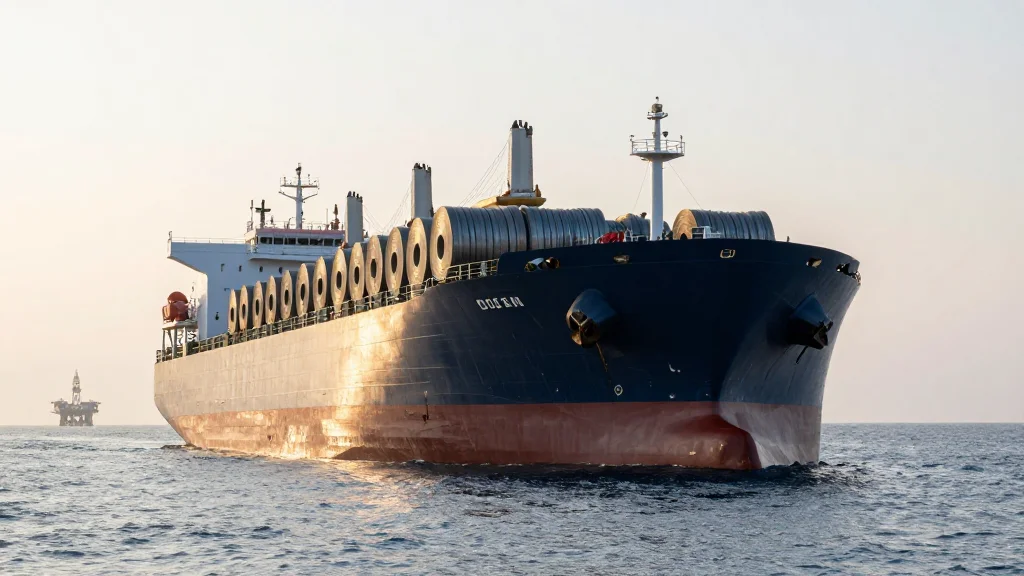
- •Service firms expect surge in project cargo and steel shipments
Pulse Analysis
The ongoing U.S.-Israeli conflict with Iran has reignited concerns over energy security, pushing oil prices into a sustained high‑price environment. Upstream investors, seeking to lock in supply, are accelerating capital spending on new fields and expansion projects. This macro backdrop directly benefits the three largest oilfield‑services firms, whose earnings releases now project a multi‑year pipeline of contracts ranging from drilling rigs to subsea compression systems. Their outlook reflects not only higher demand but also a strategic shift toward projects that can quickly bring additional barrels to market.
Supply‑chain disruptions are a double‑edged sword for the sector. The closure of the Strait of Hormuz—a chokepoint for roughly 20% of global oil shipments—has forced carriers onto longer, costlier routes, inflating freight rates for heavy equipment and steel components. Service companies are therefore betting on a surge in industrial project cargo and break‑bulk steel shipments, as operators scramble to secure the materials needed for rapid project execution. This logistical bottleneck creates pricing power for specialized freight providers and underscores the importance of resilient, diversified shipping networks.
For investors, the convergence of geopolitical tension, elevated oil prices, and logistics constraints translates into a compelling growth narrative for oilfield‑services stocks. While the upside is clear, firms must navigate heightened operational risk, including potential further disruptions and regulatory scrutiny. Companies that can efficiently manage supply‑chain complexities and deliver integrated solutions are likely to capture the bulk of the projected order flow, reinforcing their market leadership and potentially delivering superior returns in an increasingly volatile energy landscape.
Oilfield services majors bank on flood of oil, gas projects linked to Middle East war
Comments
Want to join the conversation?
Loading comments...