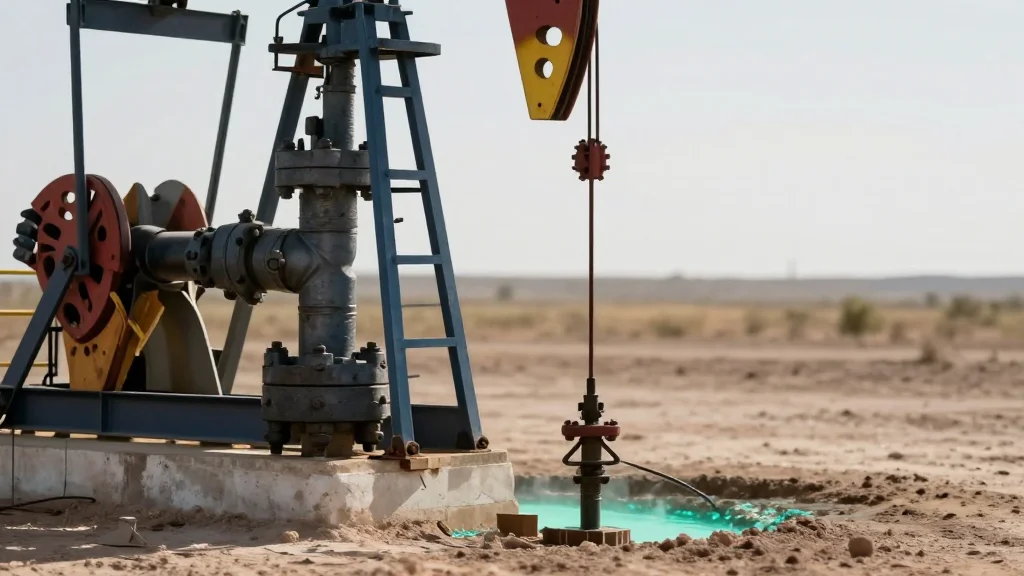
Oklahoma Senate Advances Bill to Repurpose 20,000 Abandoned Wells for Geothermal Energy

Why It Matters
Converting orphaned wells into geothermal assets could address two pressing challenges: the persistent methane emissions from thousands of uncapped wells and the need for reliable, low‑carbon baseload power. By attaching economic value to otherwise stranded liabilities, states can mobilize private capital for climate mitigation, potentially accelerating the United States’ path to net‑zero emissions. Moreover, successful repurposing could create a new revenue stream for rural communities, generate jobs in drilling and engineering, and reduce the fiscal burden on state agencies tasked with plugging wells. If the model proves viable, it may inspire a national framework for well repurposing, prompting federal agencies to allocate research funding and tax incentives. The approach could also complement broader decarbonization strategies, such as expanding offshore wind and solar, by providing a stable energy source that can operate continuously, regardless of weather conditions.
Key Takeaways
- •Oklahoma Senate bill targets >20,000 orphan wells for geothermal or underground storage conversion.
- •Plugging a single inactive well costs $75,000‑$150,000; total state estimate to plug all wells runs into hundreds of millions.
- •Alabama, North Dakota, and Colorado have introduced or are studying similar repurposing legislation.
- •Experts warn that commercial-scale well conversion remains technologically distant despite oil‑industry expertise.
- •Successful pilots could unlock private investment, create jobs, and cut methane emissions nationwide.
Pulse Analysis
The push to repurpose idle wells reflects a pragmatic shift in U.S. energy policy: rather than viewing legacy oil infrastructure solely as a cleanup cost, policymakers are reframing it as a potential clean‑energy asset. This mirrors the broader trend of leveraging existing fossil‑fuel assets for decarbonization, such as converting depleted fields into carbon‑capture storage sites. The Oklahoma bill is particularly noteworthy because it tackles scale—20,000 wells—whereas earlier state efforts have focused on a few hundred.
Historically, the United States has struggled to fund well plugging, leaving many wells to leak methane, a potent greenhouse gas. By attaching a revenue-generating purpose, the legislation could attract private equity and infrastructure funds that have been looking for stable, long‑term returns in the energy transition. However, the technology gap remains a critical risk. While drilling expertise is abundant, retrofitting wells for geothermal loops or CO₂ injection requires new engineering standards, and the economics are still unproven at scale.
If pilot projects demonstrate cost‑effective conversion—ideally bringing the per‑well repurposing cost closer to the $75,000‑$150,000 plugging range—states could see a rapid rollout. Conversely, if costs balloon, the model may stall, leaving the liability problem unresolved. The next two years will be decisive: successful demonstrations could catalyze federal incentives, while setbacks could reinforce the status quo of costly, slow‑moving well plugging programs.
Oklahoma Senate Advances Bill to Repurpose 20,000 Abandoned Wells for Geothermal Energy
Comments
Want to join the conversation?
Loading comments...