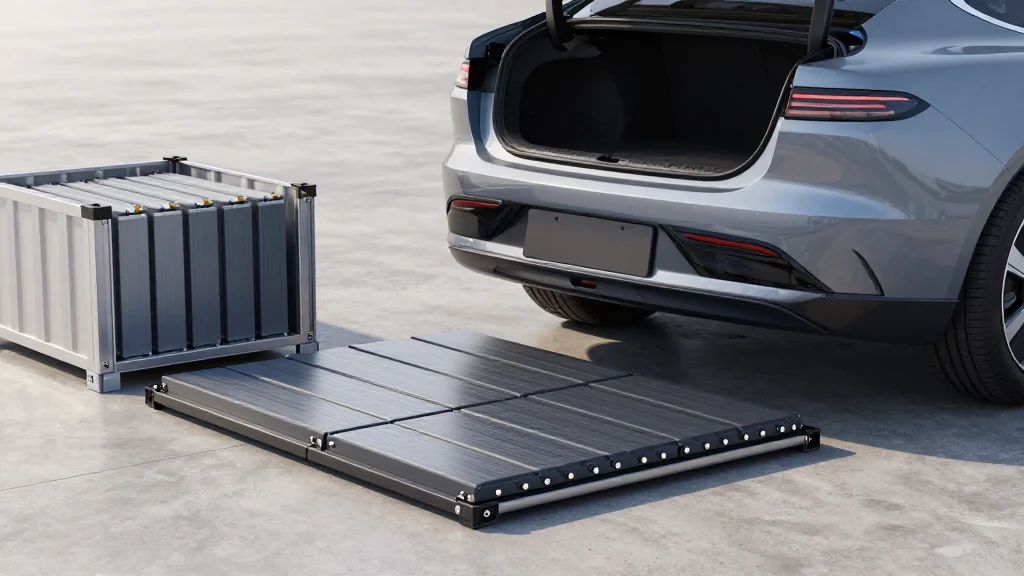
Old Waymo Batteries Will Get A Second Life As Stationary Energy Storage
Companies Mentioned
Why It Matters
Repurposing robotaxi batteries expands grid‑scale storage, accelerating renewable integration and reducing waste. It also creates a new revenue stream for autonomous‑vehicle operators.
Key Takeaways
- •Waymo partners with B2U to repurpose robotaxi batteries for grid storage
- •Hundreds of megawatts of stationary storage will launch in Texas and California
- •Retired packs from Jaguar I‑Pace, Zeekr Ojai, Hyundai Ioniq 5 reused
- •B2U runs projects with 1,300 batteries in California, 720 in Texas
- •GM and Rivian send used batteries to Redwood Materials for grid storage
Pulse Analysis
Waymo’s latest collaboration with B2U Storage Solutions underscores the growing economic case for second‑life battery applications. As autonomous fleets retire their power packs, the residual capacity—often 50‑60 percent of original performance—remains valuable for stationary use. By channeling these modules into grid‑scale storage, Waymo not only extracts additional value from its assets but also supports utilities in smoothing the intermittency of solar and wind generation, a critical need in energy‑intensive markets like Texas and California.
B2U already operates sizable projects that illustrate the scalability of this model. In California, a battery farm built from 1,300 retired EV packs is already delivering peak‑shaving services, while a Texas installation aggregates 720 packs to provide demand‑response capabilities. Waymo’s commitment to deploy "hundreds of megawatts" will significantly augment these efforts, creating a distributed network of storage that can absorb excess renewable output and discharge during high‑load periods. This approach reduces reliance on new battery manufacturing, cuts capital costs for utilities, and shortens the timeline for renewable integration.
The initiative fits within a broader industry trend where automakers are forging partnerships with recyclers and repurposing firms. General Motors and Rivian, for example, have secured agreements with Redwood Materials to transform end‑of‑life packs into grid‑scale banks. Such collaborations signal a shift toward a circular battery economy, where the lifecycle of lithium‑ion cells extends well beyond vehicle service. For Waymo, the strategy not only bolsters its sustainability credentials but also opens a recurring revenue channel, positioning the company at the forefront of both autonomous mobility and clean‑energy infrastructure.
Old Waymo Batteries Will Get A Second Life As Stationary Energy Storage
Comments
Want to join the conversation?
Loading comments...