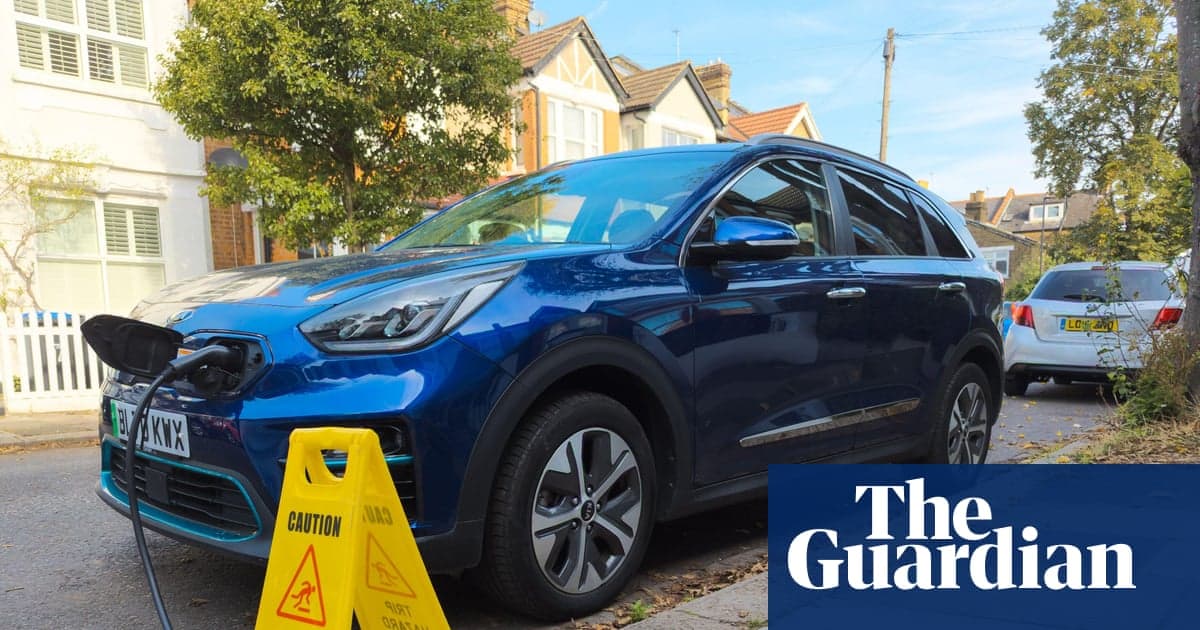
On-Street EV Charging in UK Is Postcode Lottery as Drivers Face Council Objections
Why It Matters
Council refusals undermine national EV adoption targets and prevent cost‑effective home charging for millions, slowing the UK’s transition to low‑carbon transport.
Key Takeaways
- •Over 20 UK councils block on‑street EV charger gullies.
- •London councils dominate refusals despite highest EV concentration.
- •Gully makers claim safety, but councils cite liability and accessibility.
- •9.3 million UK homes lack off‑street parking, limiting cheap charging.
- •Government removed planning permission, yet street‑works licences still required.
Pulse Analysis
The United Kingdom’s electric‑vehicle rollout hinges on affordable charging, yet a patchwork of local regulations is throttling progress. While the central government touts a 5% VAT rate on residential electricity—significantly cheaper than the 20% applied to public chargers—more than 20 councils have rejected the installation of cross‑pavement gullies. This resistance is most pronounced in London, a market that hosts the nation’s highest concentration of EVs but also the greatest share of households without private parking, creating a stark geographic inequity.
Council objections stem from a blend of safety, liability and accessibility worries. Officials fear that gullies could become trip hazards, that damaged cables might pose electric‑shock risks, and that maintaining these installations would fall into a legal gray area. For residents of terraced houses in Leicester or dense boroughs like Westminster and Hackney, the lack of a guaranteed parking spot further complicates matters. Consequently, an estimated 9.3 million UK homes—roughly one‑quarter of all households—remain dependent on public chargers, eroding the cost advantage of home‑based charging and potentially dampening consumer confidence in EV adoption.
Industry players such as Kerbo Charge, Gul‑e and ACO are lobbying for streamlined approvals, working with a growing number of forward‑looking authorities. However, even with the removal of planning permission, installers still need street‑works licences, a hurdle controlled at the council level. The ongoing impasse signals that policy alignment between national incentives and local implementation is essential. If councils can reconcile safety standards with practical solutions—like removable cable protectors or shared‑use gullies—the UK could unlock a more uniform, cost‑effective charging network and accelerate its net‑zero transport goals.
On-street EV charging in UK is postcode lottery as drivers face council objections
Comments
Want to join the conversation?
Loading comments...