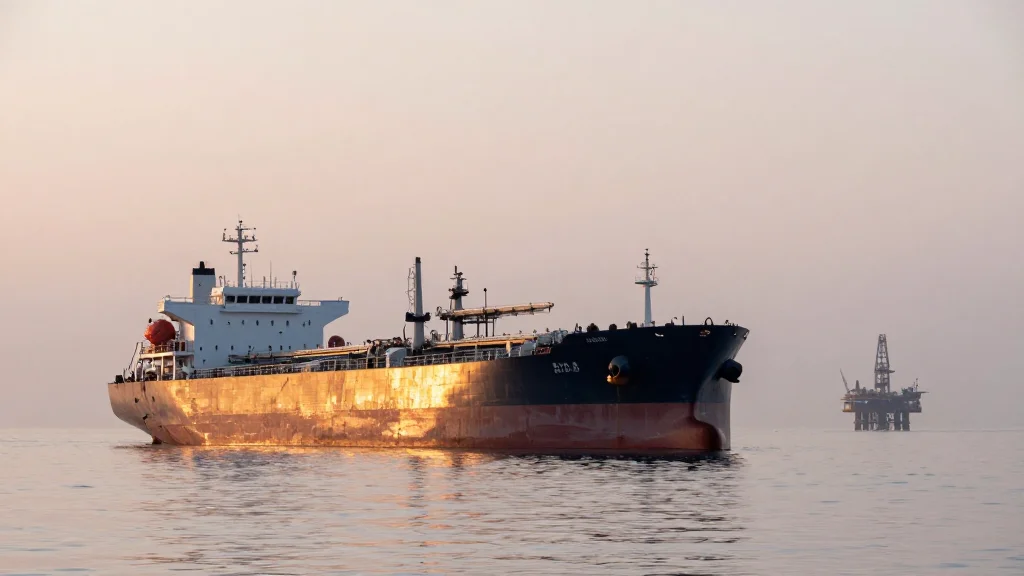
Opec+ 7 to Further Relax Output Targets
Why It Matters
The unwind signals a potential surge in global oil supply once the Hormuz bottleneck clears, which could pressure prices and reshape market dynamics. It also shows OPEC+ is proactively recalibrating its long‑term output framework amid geopolitical volatility.
Key Takeaways
- •OPEC+ core members will unwind 564,000 b/d of cuts by September
- •Production hikes remain theoretical until the Strait of Hormuz reopens
- •Saudi Arabia could lift output to 10.48 mn b/d post‑unwinding
- •New baseline assessment by DeGolyer aims to set 2027 targets
Pulse Analysis
The latest OPEC+ meeting underscores how geopolitical friction, especially the US‑Iran conflict, continues to dictate oil supply strategies. By incrementally raising targets for July, the seven core producers are effectively staging a controlled release of the 564,000 barrels per day of voluntary cuts that remain from the 1.65 mn b/d reduction agreed in April 2023. This approach lets Saudi Arabia, Iraq and Kuwait keep production on standby, ready to surge once the Strait of Hormuz – the world’s most critical oil chokepoint – reopens for unrestricted shipments.
For traders and refiners, the timing of the unwind matters as much as the volume. If the Hormuz corridor clears in the coming months, Saudi Arabia could jump from 6.57 mn b/d to roughly 10.48 mn b/d, while Iraq and Kuwait could more than double their output. Such a supply boost would likely temper the bullish price environment that has persisted since the war began, pressuring Brent and WTI futures toward lower levels. However, the OPEC+ members have pledged not to exceed targets pre‑emptively, suggesting a measured ramp‑up that could smooth price volatility rather than trigger a sharp collapse.
Beyond the immediate supply calculus, OPEC+ is undertaking a comprehensive baseline reset, enlisting US consultancy DeGolyer and MacNaughton to reassess each member’s sustainable capacity. The study, slated for completion by September, will inform new production quotas effective 2027, providing a longer‑term roadmap that balances market demand with geopolitical risk. This forward‑looking exercise signals the alliance’s intent to maintain relevance and credibility, ensuring that future output adjustments are data‑driven rather than reactionary, a factor that investors will watch closely as the oil market navigates an uncertain geopolitical landscape.
Opec+ 7 to further relax output targets
Comments
Want to join the conversation?
Loading comments...