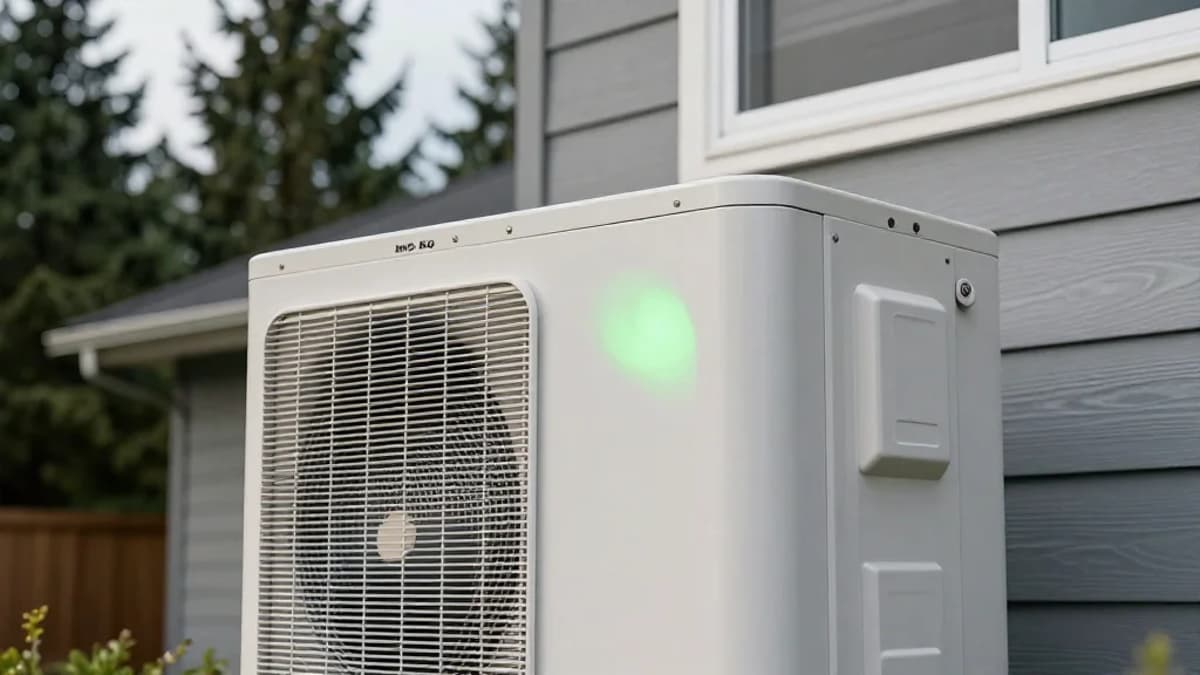
Mandating heat pumps lowers operating costs for new homeowners while accelerating Oregon’s decarbonization targets, strengthening housing affordability and climate resilience.
The adoption of heat‑pump‑centric building codes reflects a national shift toward performance‑based standards that prioritize energy efficiency over legacy HVAC systems. Oregon’s amendment joins California and Washington in embedding electrified heating within the residential code, leveraging advances in heat‑pump technology that now deliver reliable heating in cold climates. By embedding these requirements at the construction stage, the state ensures that efficiency gains are baked into the housing stock, reducing the need for costly retrofits later and supporting the broader state energy strategy aimed at reliable, affordable, clean power.
From a financial perspective, the new code translates into tangible savings for homeowners. An average reduction of $125 per month—over $1,700 annually—directly offsets the 50% surge in energy bills observed since 2020, easing budget pressures for new‑home buyers. Builders also benefit from predictable design parameters and reduced material costs associated with ductwork and fossil‑fuel heating equipment. Moreover, the allowance for supplemental natural‑gas heating during peak demand offers grid operators flexibility, mitigating strain while the electric system scales up renewable capacity.
Strategically, Oregon’s move strengthens its climate‑resilience agenda and positions the state as a leader in residential electrification. By aligning building standards with regional climate goals, the policy accelerates emissions reductions and supports job growth in the heat‑pump manufacturing and installation sectors. The code’s emphasis on clean, efficient heating also enhances indoor comfort and air quality, addressing consumer expectations for healthier living environments. As other jurisdictions observe Oregon’s outcomes, the model may catalyze broader adoption of similar standards across the United States, driving national progress toward net‑zero building targets.
CleanTechnica · February 18, 2026
SALEM, Ore. — Today, the Oregon Building Code Division’s Residential and Manufactured Structures Board (RMSB) voted to approve a package of updates to the state’s residential energy code, including a requirement that new homes be built with energy‑efficient heat pumps instead of ducted air conditioning. An analysis conducted by the Building Code Division found that these changes will save residents an average of $125 per month and over $1,700 per year on energy bills.
“The code update is an upgrade in both comfort and affordability. The increased energy savings for new construction will benefit every Oregonian who moves into one of these new homes for years to come,” said Talent City Council President Eleanor Ponomareff. “Our building codes are about the future we want and how we prepare for more extreme weather. This code improvement will help us both be safer and more resilient, and reduce pollution by relying more on clean sources of heat and cutting down energy waste.”
The code update comes as Oregon faces a growing energy‑burden challenge with energy bills increasing across the state by about 50 % since 2020, straining household budgets even as utility profits reach record highs. As heat pumps can provide both efficient heating and cooling, this code is expected to lower energy bills and improve resilience in newly constructed homes.
“I’ve been installing heat pumps for years, and have seen how cost‑effective they can be for both builders and homeowners. Energy codes should ensure that proven technologies that can reduce energy use and costs are implemented across the state,” said Joshua Salinger, Founder and CEO of Birdsmouth Design‑Build. “This update does just that, and puts best practice into our statewide code, protecting the home‑buyer from rising energy costs.”
The Oregon Department of Energy (ODOE) submitted a letter in support of the changes, pointing to the newly released state energy strategy to help Oregon reach its goals for reliable, affordable, and clean energy. Additionally, 54 building professionals, elected officials, and climate‑resilience organizations submitted a letter supporting the codes as well.
“This is a smart, cost‑effective step for Oregon’s residential homes under the 2026 Oregon Residential Specialty Code—lowering long‑term energy bills while improving reliability and year‑round comfort for households across the state,” said David Heslam, Executive Director of Earth Advantage. “We’re pleased to see it pass, as it aligns with Oregon’s energy and climate goals and strengthens housing affordability through reduced operating costs.”
ODOE’s State Energy Strategy names strategic electrification in buildings as a key policy and legislative tool in conjunction with other measures to “support state decarbonization and resilience goals reliably, affordably, and equitably.” Under this code update, the first stage of heating can be met by a heat pump. Methane “natural” gas can be used for supplemental heating, which can reduce strain on the grid during peak load periods.
“This code update will increase energy efficiency, reduce utility bills, and align Oregon’s building standards with those of California and Washington as our states transition away from fossil fuels,” said Dylan Plummer, Acting Deputy Director of Sierra Club’s Clean Heat Campaign. “As heat pump technology improves, codes like these are necessary to ensure that new buildings are taking full advantage of the benefits that these high‑efficiency, non‑polluting appliances offer.”
About the Sierra Club
The Sierra Club is America’s largest and most influential grassroots environmental organization, with millions of members and supporters. In addition to protecting every person’s right to get outdoors and access the healing power of nature, the Sierra Club works to promote clean energy, safeguard the health of our communities, protect wildlife, and preserve our remaining wild places through grassroots activism, public education, lobbying, and legal action. For more information, visit www.sierraclub.org.
Comments
Want to join the conversation?
Loading comments...