Organised Criminal Syndicates Targeting Solar Installations in South Africa
Why It Matters
Theft undermines South Africa’s renewable energy rollout, raising costs and deterring households from adopting solar power. Effective security and insurance are critical to preserving investment and achieving climate goals.
Key Takeaways
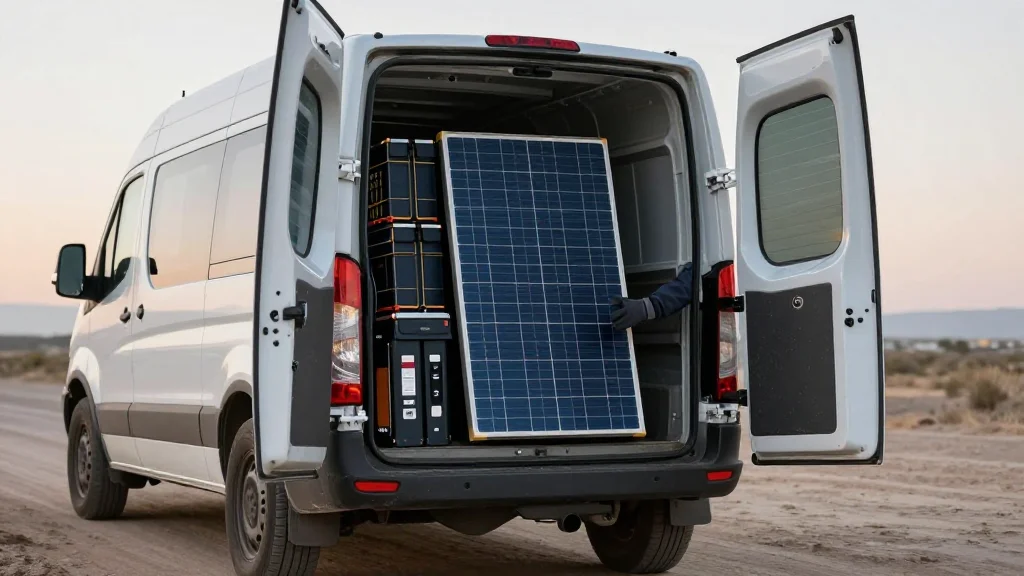
- •Criminal syndicates steal panels during transit and storage.
- •Lithium‑ion batteries targeted for high resale value.
- •AI-driven drones increasingly protect solar assets in South Africa.
- •Homeowners urged to use tamper‑resistant hardware and perimeter security.
- •Insurance requires certified installation and updated coverage for solar systems.
Pulse Analysis
South Africa’s solar market has surged in recent years, driven by falling panel costs and supportive policies aimed at diversifying the energy mix. However, the rapid expansion has exposed a new vulnerability: organised crime groups are exploiting the high resale value of panels and lithium‑ion batteries. Theft incidents, especially in remote or poorly secured locations, not only inflate project costs but also erode consumer confidence, slowing the adoption curve that the nation needs to meet its renewable targets.
In response, the security sector is deploying advanced technologies that blend artificial intelligence with aerial surveillance. AI algorithms can analyse video feeds in real time, flagging suspicious activity and automatically dispatching drones to monitor high‑risk sites. These drones, equipped with thermal imaging and GPS tracking, provide a mobile deterrent that can cover large, hard‑to‑protect areas more cost‑effectively than traditional guard patrols. The integration of AI and drone fleets is reshaping asset protection, turning what was once a reactive approach into a proactive, data‑driven defence.
Beyond high‑tech solutions, insurers like King Price are emphasizing comprehensive risk management. Recommendations include installing tamper‑resistant fasteners, reinforcing perimeter fencing, and synchronising solar systems with existing home‑security infrastructure. Crucially, insurers require installations to be performed by certified electricians and documented with a certificate of compliance, ensuring that claims are honoured. By aligning technological safeguards with robust insurance practices, the industry can mitigate financial losses, restore homeowner confidence, and keep South Africa’s solar ambitions on track.
Organised criminal syndicates targeting solar installations in South Africa
Comments
Want to join the conversation?
Loading comments...