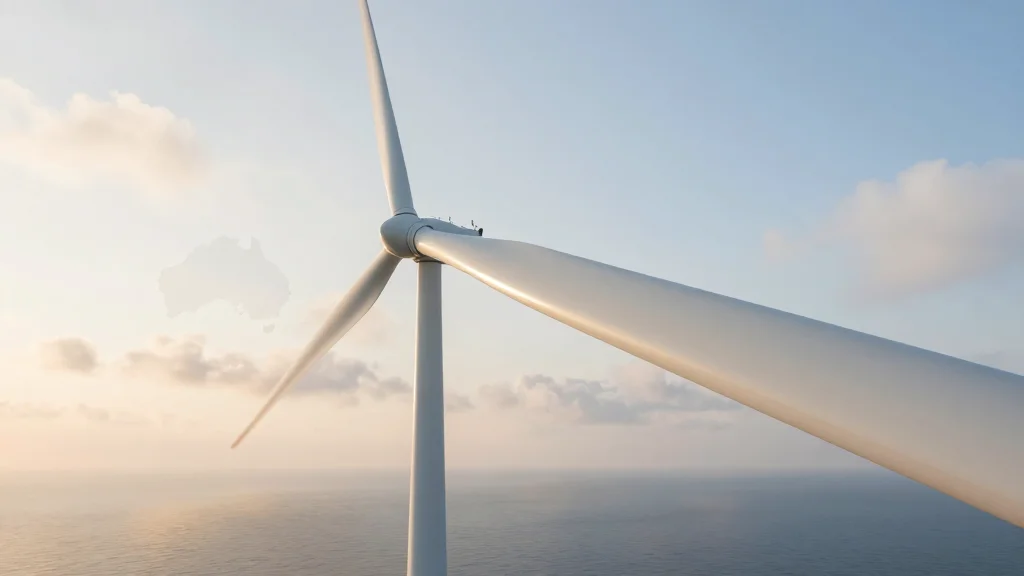
Orsted Hints at Renewed Appetite for Growth in Key APAC Markets Including South Korea and Australia
Why It Matters
The push into APAC expands offshore wind capacity where demand is surging, positioning Orsted for higher revenue and reinforcing its global leadership in renewables. It also demonstrates that the company’s financial restructuring has restored investor confidence.
Key Takeaways
- •Orsted targets offshore wind projects in South Korea, Australia, Taiwan.
- •CEO Rasmus Errboe cites stronger capital structure as catalyst.
- •Company plans to pursue “value‑creating” opportunities in APAC markets.
- •Recent US portfolio setbacks resolved, improving balance sheet health.
- •Growth could add several gigawatts to Orsted’s pipeline by 2030.
Pulse Analysis
Offshore wind is rapidly becoming a cornerstone of Asia‑Pacific energy strategies, with South Korea, Australia and Taiwan setting ambitious capacity targets. Orsted’s renewed focus on these markets aligns with regional policy shifts toward decarbonisation and grid‑scale renewable integration. By leveraging its deep engineering expertise and proven turbine supply chains, the Danish developer can capture early‑stage project rights, potentially shaping the next wave of megawatt‑scale farms that will feed both domestic demand and export markets.
The company’s financial narrative has shifted dramatically over the past year. After a series of costly setbacks in its U.S. portfolio, Orsted tightened its balance sheet through debt refinancing, asset divestitures and a capital‑raising round that lowered its net‑interest burden. This stronger capital foundation, highlighted by CEO Rasmus Errboe, gives Orsted the flexibility to invest in high‑margin, long‑term projects without over‑leveraging. Investors have responded positively, with the stock price edging higher and credit ratings showing modest upgrades, underscoring renewed confidence in the firm’s growth trajectory.
Orsted’s APAC push could reshape competitive dynamics in the offshore wind sector. Rivals such as Ørsted’s European peers and emerging Asian developers will vie for limited seabed leases and supply contracts, intensifying the race for technology leadership. If Orsted secures multiple gigawatts of new capacity, it not only diversifies its geographic exposure but also strengthens its bargaining power with turbine manufacturers and financing partners. The move signals to the broader market that offshore wind is entering a mature, investment‑ready phase, encouraging further capital inflows and accelerating the global clean‑energy transition.
Orsted hints at renewed appetite for growth in key APAC markets including South Korea and Australia
Comments
Want to join the conversation?
Loading comments...