Orsted’s Hornsea Chief Describes 'Juggling Act' After Monopile Deal Collapse
Why It Matters
The contract failure threatens Hornsea 3’s timeline and cost, potentially slowing the UK’s 2030 offshore wind capacity goal. It also signals supply‑chain fragility for future megaprojects.
Key Takeaways
- •Orsted canceled $X monopile contract for Hornsea 3.
- •Project now faces supply chain delays and cost overruns.
- •Larger turbine foundations under review as alternative.
- •UK offshore wind targets risk missing 2030 goals.
- •Industry seeks diversified suppliers to mitigate future collapses.
Pulse Analysis
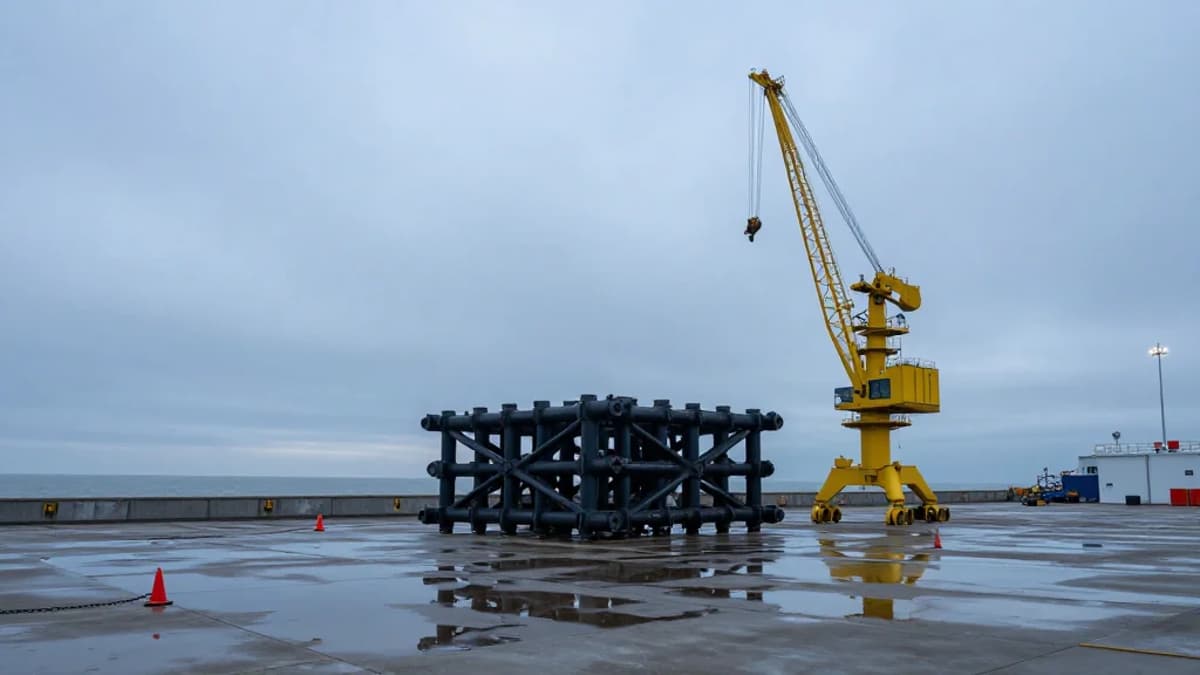
The Hornsea 3 project, slated to add 2.9 GW of capacity to the UK North Sea, has hit a critical snag as Orsted pulled the plug on a high‑profile monopile deal. Monopiles—massive steel tubes driven into the seabed—have become the bottleneck for larger turbines, and the sudden contract collapse forces Orsted to scramble for alternative suppliers or redesign its foundation strategy. This disruption arrives at a time when the UK government is racing to meet its offshore wind target of 50 GW by 2030, making any delay highly consequential.
Supply‑chain resilience is now front‑and‑center for developers. The monopile shortage has driven up prices and extended lead times, prompting Orsted to explore heavier, jacket‑type foundations and even floating solutions for deeper waters. These alternatives, while technically viable, introduce new engineering challenges and capital expenditures that could erode project economics. Moreover, the delay threatens to push Hornsea 3’s commissioning beyond its original 2025 horizon, potentially inflating financing costs and reducing the expected revenue stream for investors.
The broader industry is taking note. The monopile debacle underscores the need for a diversified supplier base and accelerated investment in next‑generation foundation technologies. Policymakers may respond with incentives for domestic steel production or streamlined permitting for innovative designs, aiming to de‑risk future megaprojects. For stakeholders, the lesson is clear: aligning ambitious renewable goals with robust, flexible supply chains is essential to sustain momentum and deliver on climate commitments.
Orsted’s Hornsea chief describes 'juggling act' after monopile deal collapse


Comments
Want to join the conversation?
Loading comments...