OTC 2026: Deepwater Re-Emerges as Critical Supply Engine Amid Global Exploration Slowdown
Companies Mentioned
Why It Matters
The shift underscores deepwater’s capacity to bridge a looming supply shortfall while delivering lower‑emission output, shaping capital allocation and policy decisions across the oil industry.
Key Takeaways
- •Global oil supply gap could reach 25 MMbpd by 2040
- •Deepwater output may climb to ~10 MMbpd by early 2030s
- •Industry targets 53 Bboe resources; half in deepwater projects
- •Ultra‑deepwater (>3,000 m) developments are accelerating despite higher complexity
- •Deepwater emissions intensity is about 40% below industry average
Pulse Analysis
The looming 25 MMbpd supply deficit projected for 2040 has refocused attention on deepwater as a reliable growth lever. While exploration budgets have slumped to historic lows, operators are leveraging existing offshore infrastructure and long‑life field development plans to sustain output. Forecasts from Welligence Energy Analytics suggest deepwater could contribute roughly 10 MMbpd by the early 2030s, a modest but critical share that helps offset the broader decline in onshore discoveries.
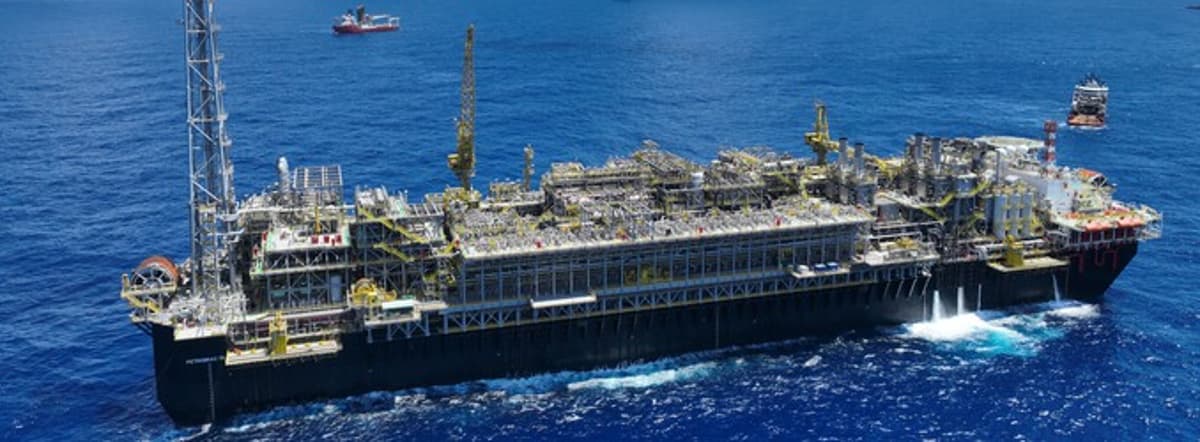
Technological advances are driving the industry deeper, with ultra‑deepwater projects beyond 3,000 m becoming increasingly common despite heightened engineering challenges. Standardized FPSO designs, such as Petrobras’ replicant units, are shortening development cycles and improving economics. Moreover, deepwater fields boast an emissions intensity about 40% lower than the global average, positioning them as comparatively cleaner sources of hydrocarbons. Yet the push toward electrification, exemplified by Shell’s Ormen Lange, raises cost‑benefit questions, especially when comparable low‑emission performance can be achieved without extensive power‑grid investments, as seen in the Gulf of Mexico.
Regulatory environments and fiscal incentives are now pivotal in shaping deepwater investment. Nations like Brazil and South Africa are tweaking fiscal terms to attract a shrinking pool of capital‑rich operators, while environmental agencies impose stricter compliance, slowing well‑maintenance activities. This competitive capital landscape forces companies to prioritize projects with proven economic returns and lower risk profiles. Investors and policymakers must therefore weigh the trade‑offs between deepwater’s supply potential, its lower carbon footprint, and the escalating costs of ultra‑deepwater and electrification initiatives.
OTC 2026: Deepwater re-emerges as critical supply engine amid global exploration slowdown
Comments
Want to join the conversation?
Loading comments...