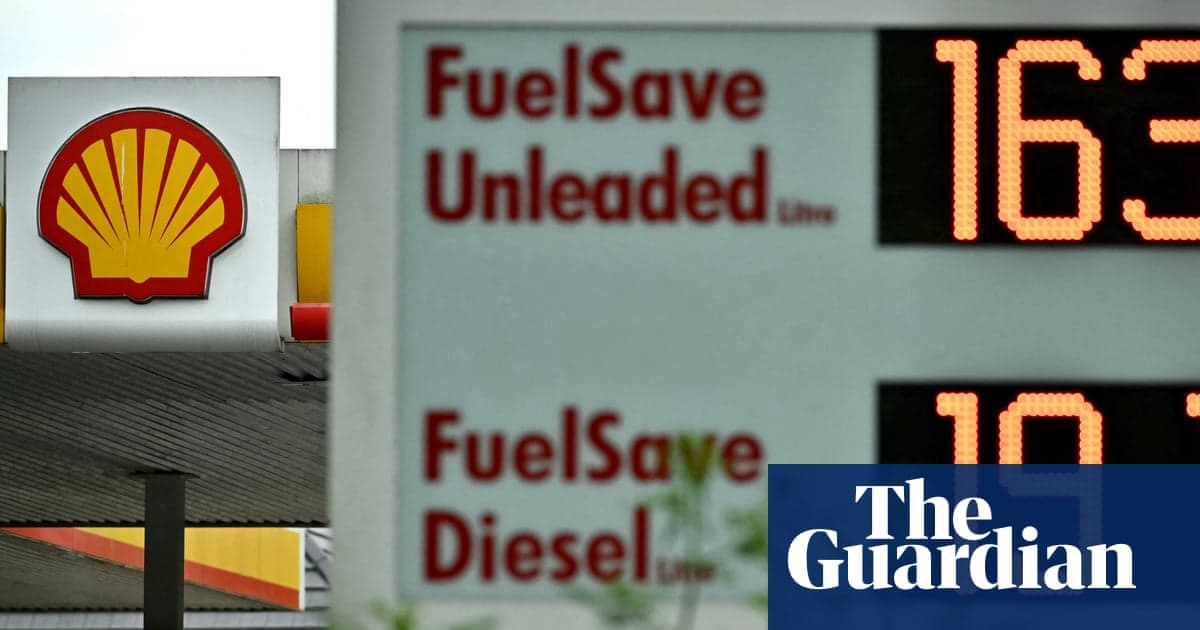
Outrage as Oil Giants Profit Billions From Iran War – The Latest
Companies Mentioned
Why It Matters
Record oil‑company profits intensify pressure on governments to impose windfall taxes, reshaping fiscal policy and corporate cost structures. The issue tests the balance between energy security, shareholder returns, and social equity.
Key Takeaways
- •Shell earned $6.9 bn since Iran conflict began
- •Energy price surge drives record fossil fuel profits
- •Calls intensify for higher taxes on oil majors
- •Public pressure mounts for profit‑sharing mechanisms
- •Potential policy shifts could reshape industry tax landscape
Pulse Analysis
The Iran‑triggered conflict has tightened global oil supplies, pushing Brent crude above $100 per barrel and inflating earnings for integrated majors. Shell, the world’s largest publicly traded oil company, posted $6.9 bn in profit, a figure that dwarfs its pre‑war earnings and reflects the broader industry’s windfall from price spikes. While higher revenues bolster balance sheets, they also expose a paradox: companies thrive as consumers grapple with record‑high fuel and electricity bills, fueling public outcry.
Policymakers across Europe and North America are now revisiting the concept of windfall taxes, a tool used during previous energy crises to capture excess profits for social programs. Advocates argue that a modest levy—often framed as a percentage of extraordinary earnings—could fund subsidies for low‑income households, accelerate the transition to renewable energy, and mitigate inflationary pressures. Critics warn that additional taxes may deter investment in new production capacity, potentially tightening supply further and prolonging price volatility. The debate therefore hinges on balancing fiscal responsibility with the need to maintain energy security.
Looking ahead, the trajectory of oil‑company taxation will likely influence corporate strategy and investor sentiment. Firms may accelerate diversification into renewables, carbon‑capture technologies, or downstream services to offset potential profit‑sharing obligations. Meanwhile, ESG‑focused investors are scrutinizing how windfall profits are allocated, demanding transparent reporting on community reinvestment and climate mitigation. If governments adopt targeted taxes, the industry could see a shift toward more resilient, lower‑carbon portfolios, reshaping the competitive landscape for the next decade.
Outrage as oil giants profit billions from Iran war – The Latest
Comments
Want to join the conversation?
Loading comments...