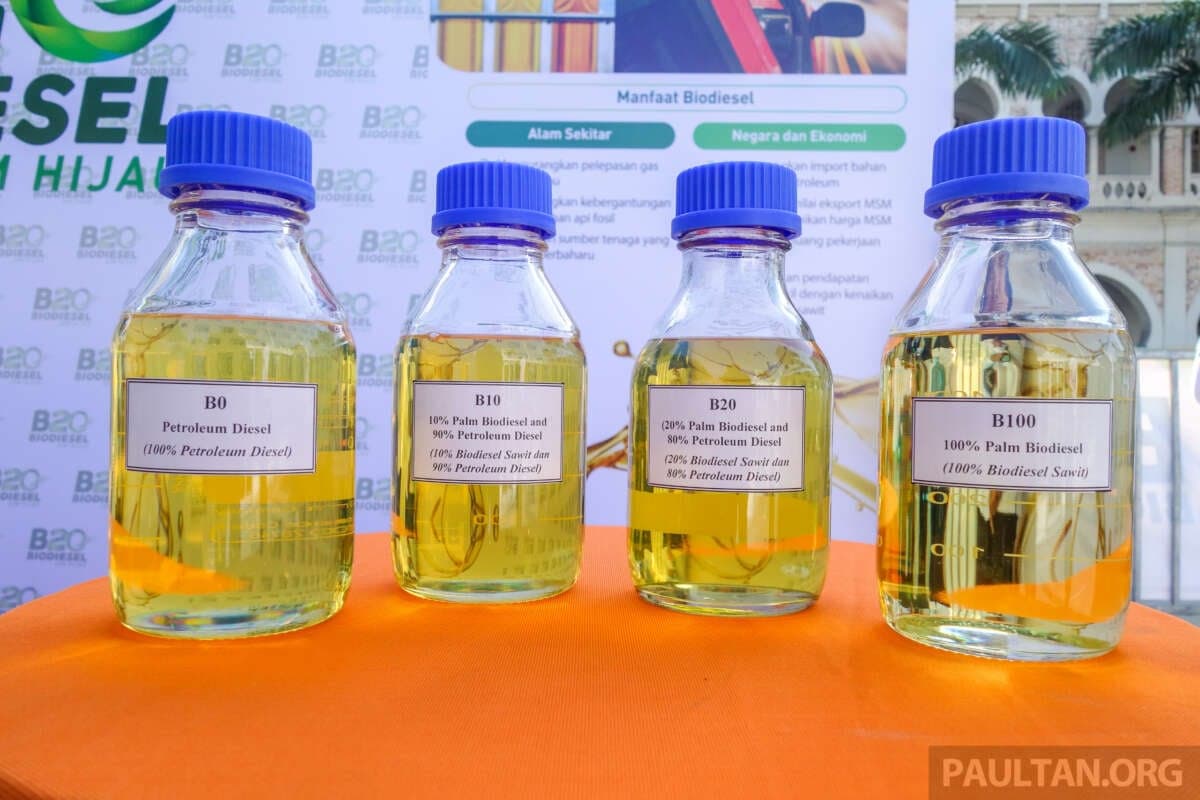
Over 70% of Malaysia’s Blending Depots Are Ready for B15 Biodiesel Implementation – Economy Minister
Why It Matters
The higher biodiesel mandate strengthens Malaysia’s energy security while supporting a shift toward renewable fuels without imposing additional costs on the industry. It also signals the country’s commitment to diversifying its energy mix amid volatile global oil markets.
Key Takeaways
- •Over 70% of Malaysia’s depots ready for B15 biodiesel.
- •Transition starts with B12 blend before moving to B15.
- •No extra cost; uses existing blending infrastructure.
- •Policy aims to cut reliance on imported fossil fuels.
- •Boosts energy security and strengthens commodities sector resilience.
Pulse Analysis
Malaysia’s decision to lift the biodiesel blend mandate to B15 reflects a broader regional push toward greener fuel standards. While many Southeast Asian nations have experimented with higher blends, Malaysia’s phased approach—starting with a B12 rollout—allows refiners and distributors to adjust operations gradually. The policy aligns with the country’s ambition to reduce its net oil import bill, which has hovered around 30% of total energy consumption, by tapping into domestically produced palm‑oil‑derived biodiesel. By leveraging existing blending infrastructure, the government sidesteps the capital expenditures that typically accompany such transitions, preserving profitability for fuel marketers.
Infrastructure readiness is a critical pillar of the rollout. Ministry of Plantation and Commodities inspections confirmed that over 70% of blending depots can accommodate the higher blend without major retrofits. This readiness stems from earlier investments in storage tanks, blending equipment, and quality‑control systems designed for the previous B10 standard. Operators are now fine‑tuning process parameters—such as temperature controls and mixing ratios—to ensure the B15 blend meets both performance and emissions specifications. The absence of additional cost burdens is expected to keep fuel prices stable for consumers, a key consideration given Malaysia’s sensitivity to retail fuel inflation.
Beyond immediate cost and supply considerations, the B15 mandate carries strategic implications for Malaysia’s energy landscape. By increasing the renewable share of its fuel mix, the country bolsters its energy independence, reducing exposure to geopolitical shocks in the crude oil market. The move also supports the palm oil sector, providing a higher-value outlet for its output and enhancing the overall resilience of the commodities chain. As neighboring economies evaluate similar policies, Malaysia’s successful implementation could set a benchmark for scalable, low‑cost biodiesel integration across the region.
Over 70% of Malaysia’s blending depots are ready for B15 biodiesel implementation – economy minister
Comments
Want to join the conversation?
Loading comments...