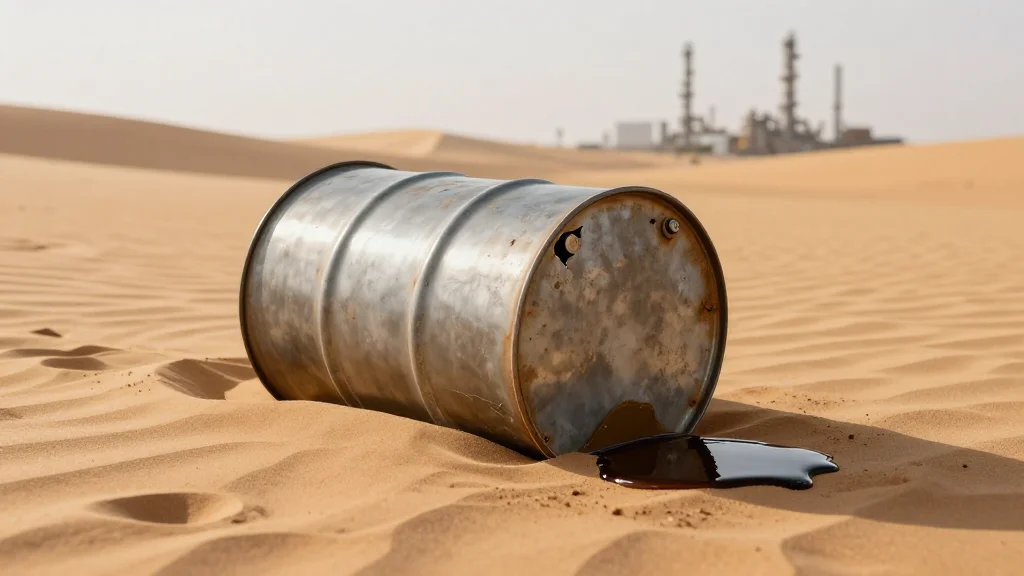
Over A Barrel? Middle East Energy Crisis' Next Phase
Companies Mentioned
Why It Matters
Higher prices and supply gaps reshape global energy trade, giving U.S. exporters and midstream infrastructure firms a strategic advantage in a rebalancing market.
Key Takeaways
- •Brent and WTI futures hit $114 and $105 amid Iran crisis
- •Asia and Europe face the steepest supply shocks from reduced flow
- •UAE plans to boost output to 5 million barrels per day by 2027
- •Midstream firms like ENB and MPLX gain appeal for export pipelines
Pulse Analysis
The escalation of the Iran crisis has sent shockwaves through the global energy landscape, tightening crude and natural‑gas flows and driving benchmark prices to multi‑year highs. Brent’s climb to $114 and WTI’s rise to $105 reflect not only regional disruptions but also heightened risk premiums as markets scramble for alternative supplies. Asia’s heavy reliance on Middle‑East oil makes the region especially vulnerable, while Europe’s dwindling inventories exacerbate price volatility, prompting policymakers to reassess energy security strategies.
Against this backdrop, the United States has emerged as a stabilizing force. Record‑breaking exports of both crude and refined products have helped offset the shortfall, with U.S. tankers filling gaps in Europe and Asia that were once dominated by Iranian shipments. This surge underscores the growing resilience of American upstream and downstream capabilities, reinforcing the country’s role as a reliable supplier in times of geopolitical stress. The influx of U.S. fuel also supports domestic refiners, allowing them to capitalize on premium pricing while maintaining export momentum.
Looking forward, the United Arab Emirates’ exit from OPEC and its pledge to raise output to 5 million barrels per day by 2027 signal a decisive pivot toward market‑driven production. This move, combined with the attractiveness of midstream assets like ENB, MPLX and other pipeline operators, points to a longer‑term restructuring of export corridors and supply chains. Investors are increasingly eyeing infrastructure that can channel surplus U.S. crude to emerging markets, while the UAE’s expanded capacity may alleviate some pressure on global inventories, fostering a more balanced energy market over the next decade.
Over A Barrel? Middle East Energy Crisis' Next Phase
Comments
Want to join the conversation?
Loading comments...