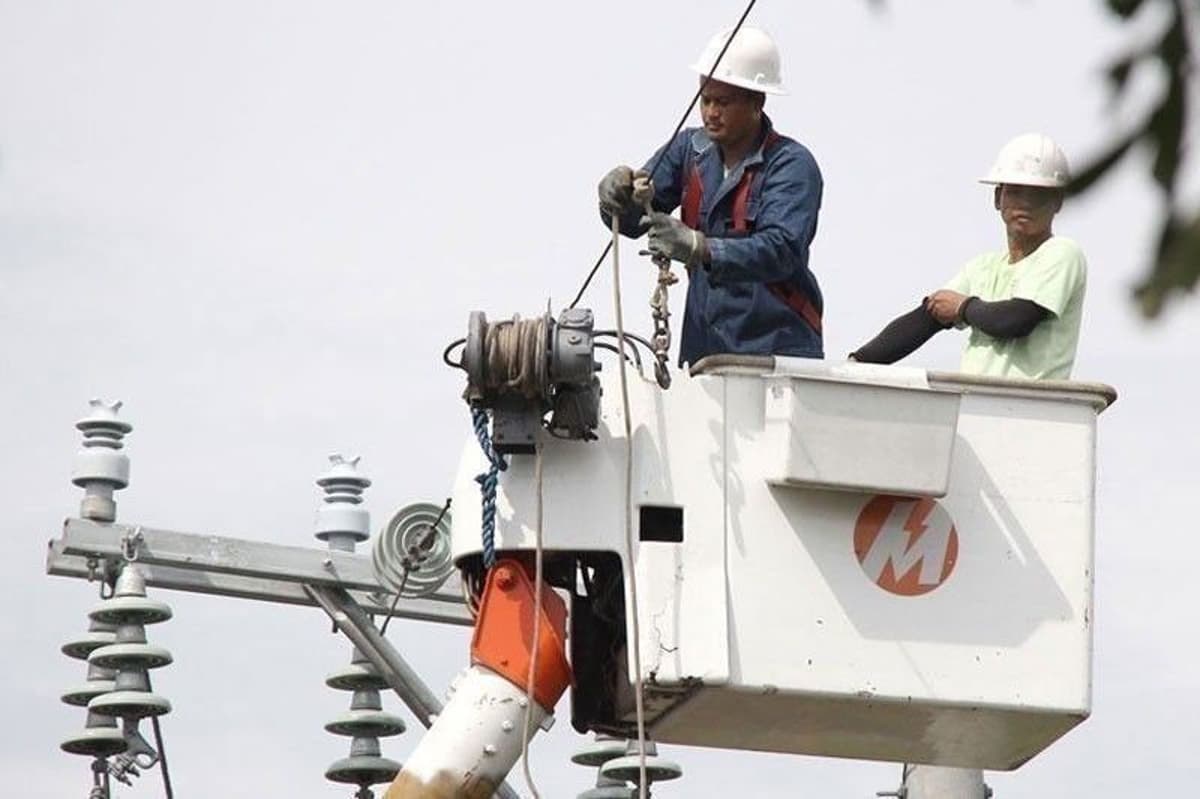
‘P430 Billion Needed to Electrify Every Filipino Home’
Why It Matters
Electrifying the Philippines’ underserved regions unlocks economic opportunity, reduces energy poverty, and creates a sizable market for renewable microgrid solutions.
Key Takeaways
- •$7 billion needed to power 2.7 million Filipino homes
- •WEnergy invests ~ $38 million in 24 microgrids for 11,000 households
- •Permitting can take up to seven years, delaying projects
- •Local banks view rural microgrids as “not bankable.”
- •Policies exist but lack coordination, slowing nationwide electrification
Pulse Analysis
Energy poverty remains a critical barrier to inclusive growth in the Philippines, where an estimated 2.7 million homes still lack reliable electricity. At a projected cost of $7 billion, the scale of investment rivals the country’s annual infrastructure spending, underscoring the magnitude of the challenge. Electrification is not merely about lighting; it enables digital connectivity, productive agriculture, and small‑business development, positioning the sector as a catalyst for broader socioeconomic advancement.
Microgrids have emerged as the most viable solution for remote islands and mountainous provinces where extending the national grid is prohibitively expensive. WEnergy Global’s recent $38 million commitment to deploy 24 microgrid systems illustrates private‑sector confidence in the technology’s ROI, especially as solar‑plus‑storage costs continue to decline. However, the financing gap persists because local banks perceive rural projects as high‑risk and insufficiently bankable. This financing reluctance, coupled with permitting timelines that can exceed seven years, erodes project economics and deters potential investors.
Policy frameworks such as the Microgrid Systems Act and the Certificate of Energy Project of National Significance (CEPNS) are designed to accelerate approvals, yet bureaucratic fragmentation hampers their effectiveness. Streamlining inter‑agency coordination and offering targeted credit guarantees could unlock the needed capital and reduce permitting delays. For investors, the Philippines presents a burgeoning market with untapped demand; aligning regulatory incentives with financing mechanisms will be pivotal to achieving universal electrification and capturing the long‑term growth potential of the renewable microgrid sector.
‘P430 billion needed to electrify every Filipino home’
Comments
Want to join the conversation?
Loading comments...