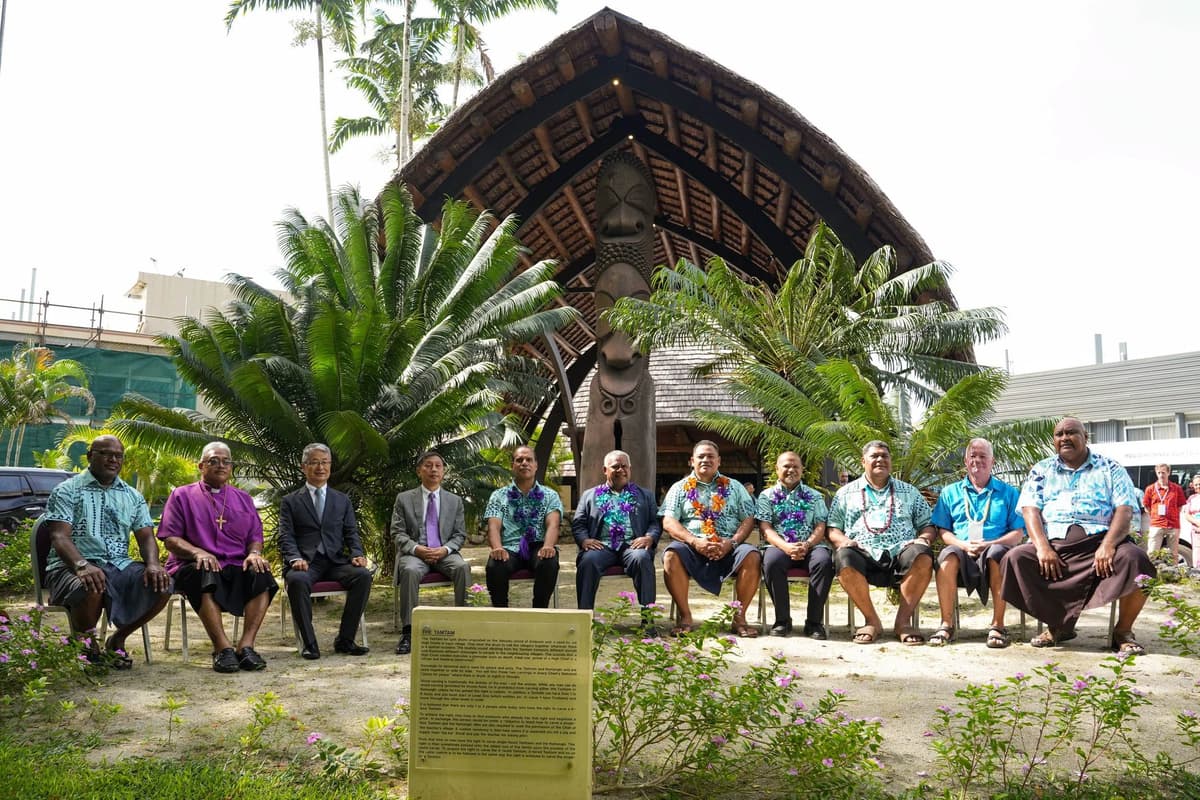
Pacific Nations Rally Behind Fossil Fuel Treaty Amid Global Energy Tensions
Why It Matters
The treaty amplifies Pacific nations’ climate leadership, forcing major emitters to confront fossil‑fuel phase‑out commitments and reshaping global energy policy at a time of heightened supply shocks. It signals a shift where climate action is increasingly tied to national security and economic competitiveness.
Key Takeaways
- •Pacific leaders sign Tassiriki Call for fossil‑free Pacific
- •Treaty demands immediate halt to new fossil‑fuel projects
- •Goal: fully funded shift to 100% renewable energy
- •Initiative pressures Australia and other coal‑rich economies
- •South Korea ties energy security to climate action amid Iran war
Pulse Analysis
The Pacific’s new fossil‑free declaration marks a watershed in climate diplomacy, uniting seven island nations under a common demand for a binding Fossil Fuel Treaty. By insisting on an immediate stop to new coal, oil and gas projects and calling for a managed decline of existing production, the signatories aim to protect vulnerable economies from debt‑laden energy transitions. Their pledge to achieve 100% renewable power, backed by international financing, underscores the urgency of decarbonisation in a region already grappling with climate‑induced emergencies.
The initiative arrives as the world prepares for a series of high‑profile gatherings, including the inaugural fossil‑fuel transition conference in Santa Marta and the upcoming COP31 in Antalya. With more than 55 countries slated to attend, the Pacific bloc hopes to leverage its moral authority to pressure developed nations—particularly Australia, which continues to approve new coal and gas projects—into honoring the treaty’s provisions. The International Court of Justice’s recent advisory opinion, suggesting that inaction on fossil‑fuel subsidies could be a wrongful act, adds legal weight to the diplomatic push.
Beyond the Pacific, the declaration reverberates across Asia, where the Iran war has disrupted global fuel supplies and heightened energy security concerns. South Korea’s Green Transformation Week, featuring statements from President Lee Jae Myung and UN climate chief Simon Stiell, ties the nation’s renewable‑energy ambitions to national security and economic growth. The convergence of climate policy and geopolitical risk is reshaping investment flows, positioning clean‑energy technologies as a strategic priority for governments and businesses alike.
Pacific nations rally behind fossil fuel treaty amid global energy tensions
Comments
Want to join the conversation?
Loading comments...