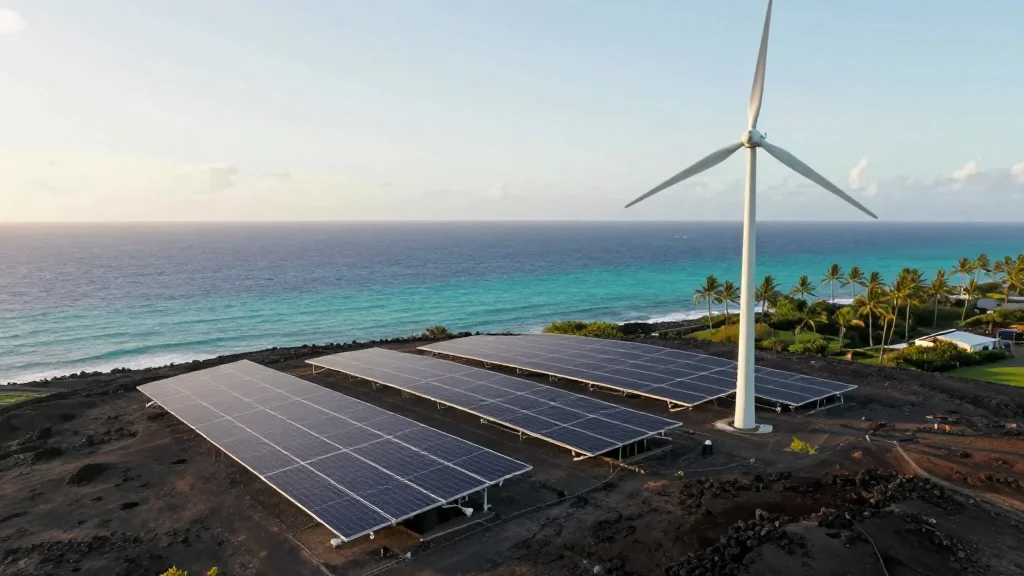
Panel Discussion with Hawaii’s Clean Energy Leaders
Why It Matters
The outcome will dictate Hawaii’s electricity costs, climate‑goal timeline, and could set a precedent for other island or isolated power systems facing similar energy choices.
Key Takeaways
- •Hawaii first state to legislate 100% clean energy goal
- •Governor pushes costly LNG import project despite clean‑energy law
- •Experts cite hidden overruns and foreign contract risks
- •Panel stresses need for resilient renewable storage and grid upgrades
- •Decision impacts national island energy policy and climate leadership
Pulse Analysis
Hawaii’s clean‑energy journey is uniquely challenging. As the nation’s most isolated grid, the state relies on imported oil and diesel, driving electricity rates among the highest in the United States—often exceeding $0.40 per kilowatt‑hour. In 2015, lawmakers passed a pioneering statute mandating 100% renewable electricity by 2045, sparking massive solar, wind, and battery projects. The legislation not only set an ambitious climate target but also created a regulatory framework that other jurisdictions watch closely for lessons in decarbonizing constrained systems.
The governor’s recent proposal to import liquefied natural gas (LNG) has ignited fierce debate. Proponents argue LNG offers a reliable bridge while renewable capacity scales, yet independent studies reveal projected costs are understated, with potential overruns running into hundreds of millions of dollars. Moreover, contracts with foreign LNG suppliers could lock Hawaii into long‑term price exposure and limit future renewable integration. Panelists Lee, Akiba, and Sullivan warned that the LNG pathway threatens to erode the credibility of the state’s clean‑energy law and divert taxpayer funds from essential grid‑modernization investments.
The stakes extend beyond Hawaii’s shores. Island and remote regions worldwide face similar dilemmas—balancing immediate reliability with long‑term decarbonization. Hawaii’s decision will signal whether large‑scale fossil‑fuel imports remain viable in a renewable‑first policy environment. Investors and policymakers are watching for signals on storage financing, grid resilience measures, and the regulatory appetite for locking in non‑renewable contracts. A clear commitment to renewable infrastructure could accelerate technology deployment, lower costs, and reinforce Hawaii’s role as a climate‑leadership exemplar.
Panel Discussion with Hawaii’s Clean Energy Leaders
Comments
Want to join the conversation?
Loading comments...