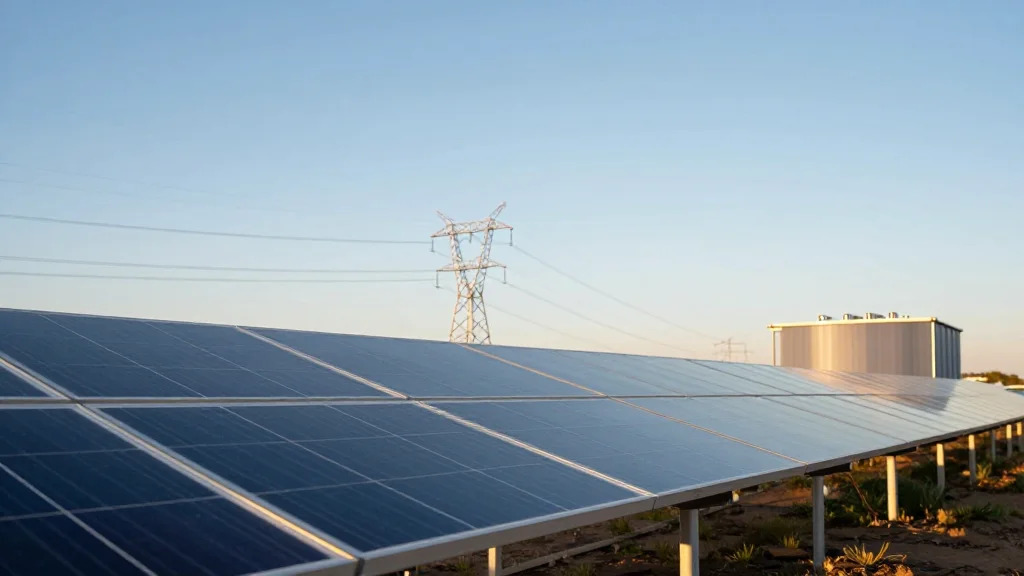
Paraguay Launches First Large-Scale Solar Tender, Marking Historic Shift in Energy Policy
Companies Mentioned
Why It Matters
The tender signals Paraguay’s strategic move to diversify its power mix, opening a sizable market for renewable investors and reducing reliance on hydropower volatility.
Key Takeaways
- •Paraguay launches 140 MW solar tender, first under new renewable law.
- •World Bank backs technical and financial development of Loma Plata project.
- •New law allows 30‑year PPAs and hybrid solar‑storage contracts.
- •Reference tariff created for surplus solar generation and self‑generation.
- •Paraguay’s solar capacity jumps from 3 MW to potential 140 MW.
Pulse Analysis
Paraguay has long depended on its abundant hydropower, which supplied over 8.8 GW at the end of 2025. The country’s energy strategy, however, faced growing concerns about climate variability and the need for a more resilient mix. Law No. 7599/2025, enacted this year, overhauls the regulatory framework for non‑hydraulic renewables, explicitly embracing solar, wind, biomass and geothermal sources. By establishing a reference tariff and permitting long‑term power purchase agreements, the law creates a predictable revenue stream that is essential for attracting foreign capital.
The Loma Plata tender, the first international public bid under the new regime, seeks a 140 MW photovoltaic plant with integrated transmission infrastructure. The World Bank’s involvement provides both technical expertise and financing credibility, reducing perceived risk for developers. Notably, the tender’s scope includes provisions for future hybrid solar‑plus‑storage projects, reflecting a global trend toward firm capacity and grid‑balancing services. The 30‑year PPA framework gives investors confidence in stable cash flows, while the reference tariff ensures that surplus generation from self‑producers is fairly compensated.
Regionally, Paraguay’s move could catalyze renewable growth across the Southern Cone, where neighboring markets are also expanding solar capacity. The project offers a template for other hydro‑dominant economies seeking diversification without compromising grid stability. For investors, the tender opens a relatively untapped market with low competition and the potential for long‑term returns. For Paraguay, the shift promises greater energy security, reduced exposure to drought‑induced hydropower shortfalls, and alignment with global decarbonization goals.
Paraguay launches first large-scale solar tender, marking historic shift in energy policy
Comments
Want to join the conversation?
Loading comments...