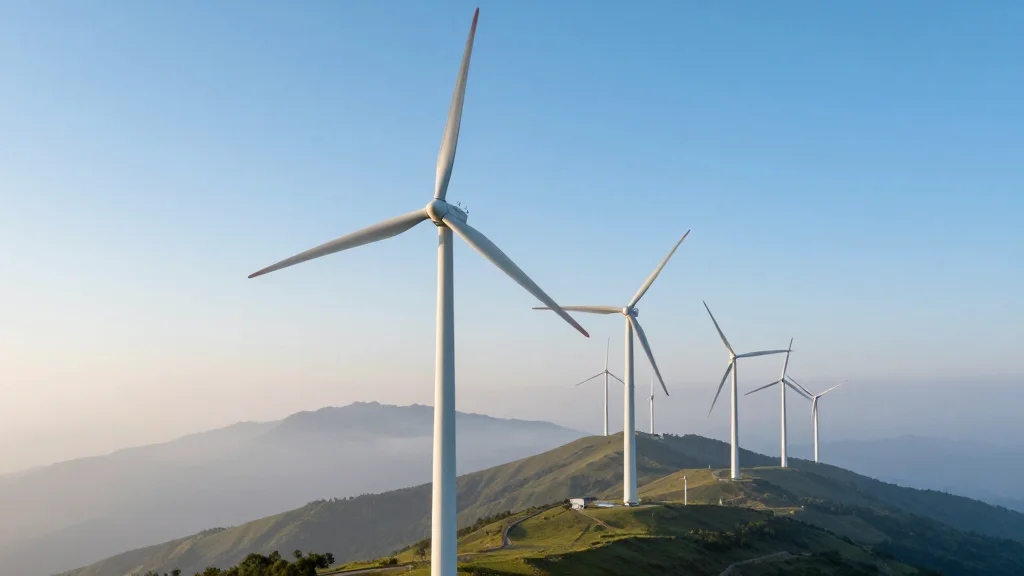
Parliamentary Panel Hears Views of Power Ministry, NEEPCO Officials for Building Self-Reliant Energy Sector
Companies Mentioned
Why It Matters
The hearing signals strong policy focus on energy self‑sufficiency and renewable expansion, shaping investment decisions and regional power security.
Key Takeaways
- •NEEPCO tasked with 24/7 power for Northeast region
- •Committee scrutinized renewable and gas‑based plant performance
- •Government aims to meet renewable and net‑zero targets
- •Statutory bodies and PSUs central to Atmanirbhar sector
- •Jagdambika Pal praised fast progress on clean‑energy goals
Pulse Analysis
India’s “Atmanirbhar” power agenda reflects a broader push for energy sovereignty, aligning with Prime Minister Narendra Modi’s vision of a low‑carbon economy. By leveraging statutory bodies and public‑sector undertakings, the government seeks to reduce reliance on imported fuels while accelerating the deployment of solar, wind, and hydro projects. Recent policy statements emphasize meeting the 2030 renewable‑capacity target of 500 GW and achieving net‑zero emissions by 2070. The Parliamentary Standing Committee on Energy’s hearing signals that legislative oversight is now tightly coupled with execution, ensuring that ambitious goals translate into concrete projects.
North Eastern Electric Power Corporation Limited (NEEPCO), a subsidiary of NTPC, emerged as a focal point because the Northeast remains one of India’s most power‑deficient zones, plagued by seasonal shortages and grid instability. The committee’s mandate for NEEPCO to deliver uninterrupted 24 × 7 electricity underscores a strategic shift toward integrating hydro‑rich basins, solar parks, and gas‑based peaking units. By consolidating generation under a single PSU, the government hopes to streamline financing, improve plant load factors, and attract private partners for ancillary services, thereby strengthening regional economic resilience.
For investors and industry players, the hearing offers a clear signal that policy support for renewable and gas‑fired assets will intensify, while financial scrutiny of PSU performance will tighten. Enhanced transparency on generation costs and capacity additions could unlock new debt‑financing avenues, especially under green bond frameworks. Moreover, the emphasis on self‑reliance may spur domestic manufacturing of turbines, solar modules, and storage systems, creating a virtuous cycle of supply‑chain development. Stakeholders should monitor forthcoming budget allocations and regulatory reforms, as they will shape the pace of India’s transition to a self‑sufficient, low‑carbon power grid.
Parliamentary panel hears views of Power Ministry, NEEPCO officials for building self-reliant energy sector
Comments
Want to join the conversation?
Loading comments...