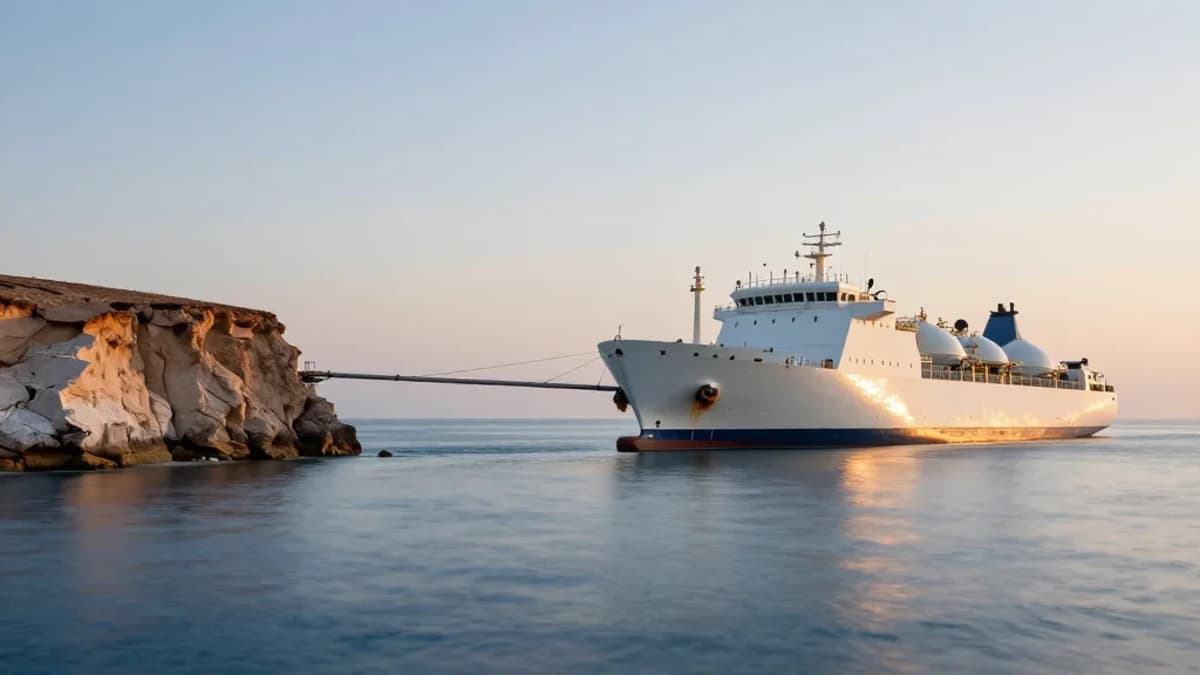
Partners Advance Vaca Muerta-Linked Argentina LNG Export Development
Why It Matters
The project could unlock billions in investment, diversify Argentina’s export base and add a new source of supply to the tightening global LNG market.
Key Takeaways
- •YPF, Eni, XRG sign binding joint development agreement
- •Project targets 12 MMtpa via two FLNG units
- •FEED and financing work to start immediately
- •Final investment decision aimed for late‑2026
- •Positions Argentina as potential major LNG exporter
Pulse Analysis
Vaca Muerta, Argentina’s flagship shale formation, holds an estimated 16 trillion cubic feet of recoverable gas, making it one of the world’s largest unconventional resources. After years of stalled attempts to commercialize its output, the recent joint development agreement signals a decisive shift toward monetizing this reserve. By integrating upstream production with downstream liquefaction, the consortium aims to overcome historic infrastructure bottlenecks that have limited Argentina’s gas export potential.
The choice of floating LNG (FLNG) technology is central to the project’s appeal. Two FLNG vessels, each capable of processing six million tonnes annually, eliminate the need for costly onshore liquefaction plants and extensive pipeline networks. This modular approach accelerates the path to commercial operation, aligns with the targeted final investment decision in late‑2026, and offers flexibility to scale output as market conditions evolve. Early‑stage engineering and financing activities are now underway, positioning the venture to secure the capital required for a multi‑billion‑dollar build‑out.
Globally, LNG demand is projected to rise as buyers seek cleaner‑burning fuels and hedge against geopolitical volatility. Argentina’s entry into the export market could reshape supply dynamics, especially for buyers in Europe and Asia looking for Southern Hemisphere sources. The project also enhances the country’s fiscal outlook, promising job creation and technology transfer. However, success hinges on securing financing, navigating regulatory approvals, and managing price volatility, factors that will determine whether Argentina can truly become a major LNG player.
Partners advance Vaca Muerta-linked Argentina LNG export development


Comments
Want to join the conversation?
Loading comments...