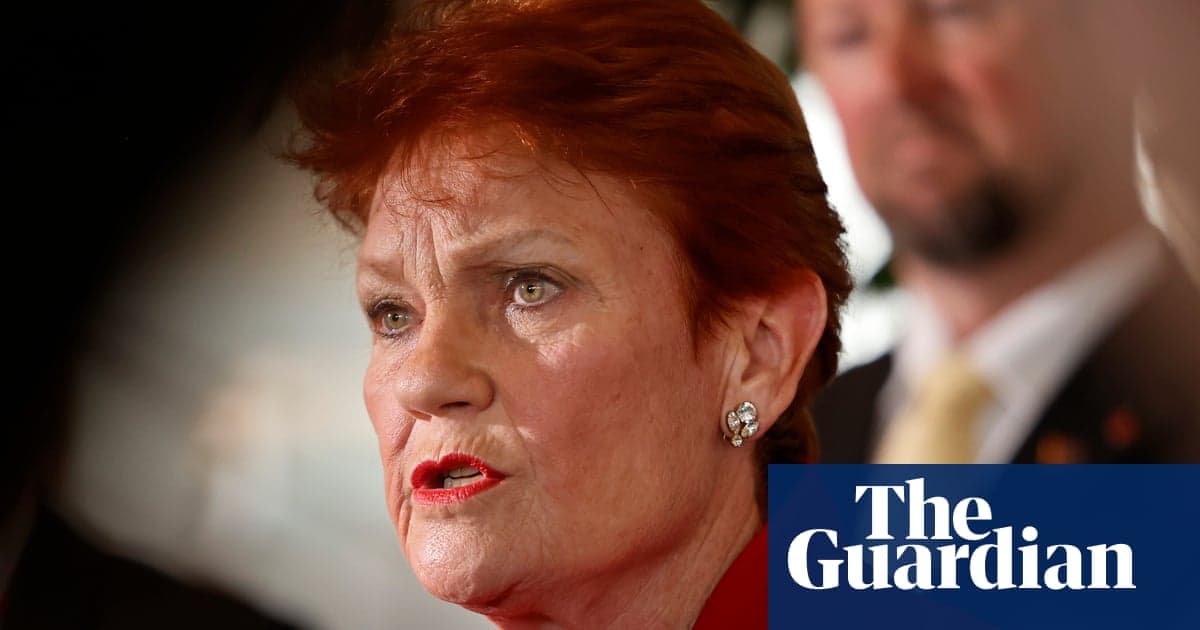
Pauline Hanson Announces Norway-Inspired Gas Policy as She Decries 25% Export Tax as ‘Economic Vandalism’
Why It Matters
The policy could reshape Australia’s gas taxation and ownership model, potentially increasing taxpayer returns but also exposing the public to market volatility. Its political traction signals growing pressure on the government to rethink resource revenue structures.
Key Takeaways
- •One Nation seeks 30% government equity in offshore gas ventures
- •Proposal swaps 25% export tax for royalty regime and rebate
- •Critics label plan as Venezuela‑style nationalisation, warn of financial risk
- •Industry groups argue equity stakes unsuitable for mature gas sector
- •Opposition leader backs abandoning net‑zero, urging more drilling
Pulse Analysis
Australia’s resource tax debate has taken a dramatic turn after Pauline Hanson announced a Norway‑style approach to offshore gas. By abolishing the Petroleum Resource Rent Tax and offering a 30% rebate on exploration costs, the government would acquire up to a 30% equity share in new projects, funneling future profits into a sovereign wealth fund. Proponents argue this model aligns taxpayer interests with industry success, promising "vastly greater returns" than the current export levy. However, the shift also transfers market risk to the public purse, as gas projects often take a decade or more to move from discovery to production, delaying any revenue stream.
The proposal has ignited fierce opposition from across the political spectrum and the resource sector. Liberal frontbencher James Paterson dismissed the plan as a borrowed Venezuelan tactic, while the Minerals Council of Australia warned that equity participation is ill‑suited for a mature industry like gas. Industry leaders point to the existing tax framework, which already captures higher revenues when global oil and gas prices rise, as sufficient. The debate underscores a broader tension between populist calls for greater resource nationalism and the pragmatic concerns of investors wary of government involvement in commercial operations.
Beyond the immediate fiscal implications, Hanson’s policy reflects One Nation’s growing influence despite holding only two lower‑house seats. By positioning the party as a champion of “energy abundance” and a critic of the 25% export tax, Hanson taps into voter frustration over perceived corporate profiteering. If the idea gains legislative traction, it could reshape Australia’s energy landscape, prompting other jurisdictions to reconsider sovereign stakes in natural‑resource projects. The outcome will hinge on whether the promise of higher taxpayer returns outweighs the political and financial risks of deeper government participation in the gas sector.
Pauline Hanson announces Norway-inspired gas policy as she decries 25% export tax as ‘economic vandalism’
Comments
Want to join the conversation?
Loading comments...