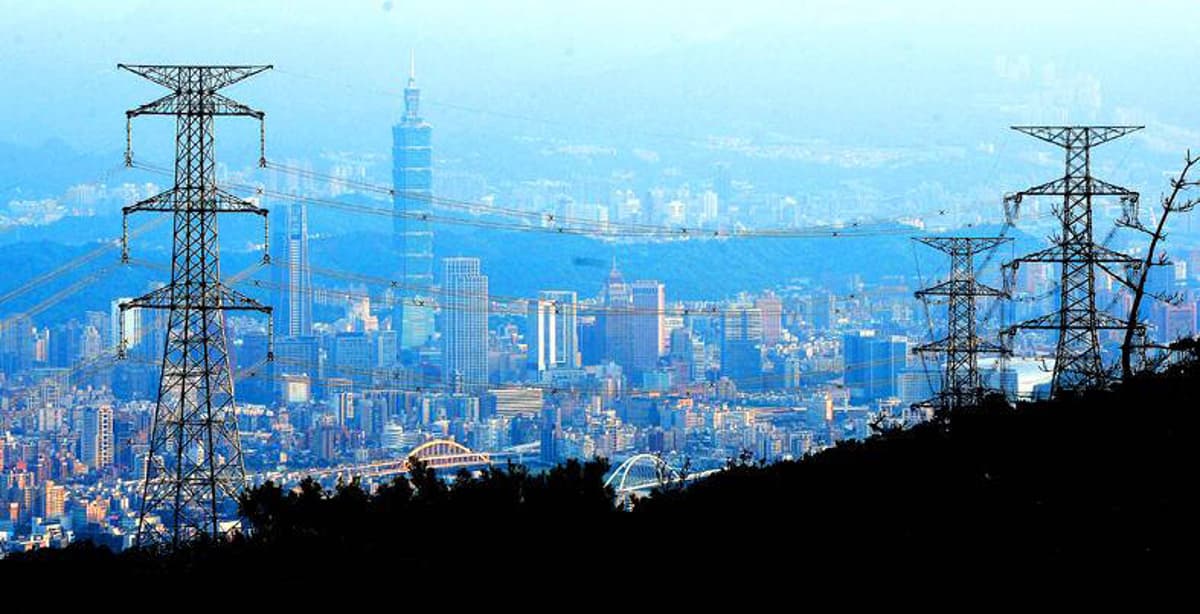
Pegatron Head Calls for a Change in Energy Policy
Companies Mentioned
Why It Matters
A more resilient, diversified energy mix is essential for Taiwan’s high‑tech sector to remain cost‑competitive and secure amid volatile global fuel markets. Reducing fossil‑fuel dependence also eases fiscal pressure and environmental risk.
Key Takeaways
- •Taiwan's LNG share rose to 50% of power generation
- •Fossil‑fuel reliance must drop 20% by 2030, says Pegatron chair
- •Renewables only 15% of Taiwan's mix, lagging EU, China
- •LNG import cost adds $31.5 M per shipment, straining finances
- •Taiwan's nuclear capacity zero; rivals keep 9‑30% nuclear
Pulse Analysis
Taiwan’s energy landscape has shifted dramatically over the past decade, with natural‑gas‑fired plants now supplying roughly half of the island’s electricity. The rapid rise from 30% LNG in 2015 to about 50% today reflects a policy that favored gas as a bridge to a nuclear‑free future. However, this dependence exposes Taiwan to volatile international LNG prices and supply shocks, as each shipment now costs an additional $31.5 million. The limited 11‑day gas reserve further amplifies the risk of short‑term shortages, prompting industry leaders like Pegatron’s chairman to call for a strategic pivot.
The stakes are especially high for Taiwan’s semiconductor and precision‑machinery sectors, which demand stable, affordable power to stay competitive against regional rivals. Japan and South Korea maintain more diversified mixes—combining nuclear, coal, and gas—while the EU and China have pushed renewables to 71% and 41% respectively. Taiwan’s current reliance on fossil fuels, at 81.5% of generation, is a stark outlier that could erode its cost advantage and deter foreign investment if price volatility persists.
Policy experts suggest a three‑prong approach: re‑introduce a modest share of nuclear capacity, accelerate renewable projects to lift the current 15% share, and improve energy storage to smooth intermittency. Aligning with global trends toward nuclear‑renewable hybrids would not only reduce LNG demand but also bolster energy security and lower emissions. Such a shift would safeguard Taiwan’s high‑tech ecosystem while easing fiscal pressures from soaring fuel imports.
Pegatron head calls for a change in energy policy
Comments
Want to join the conversation?
Loading comments...