Pemex Undersea Pipeline Found to Cause Gulf Oil Spill
Companies Mentioned
Why It Matters
The spill intensifies scrutiny on Pemex’s operational reliability and may accelerate regulatory and financial pressures on a company already burdened by massive debt. It also underscores broader risks for offshore oil infrastructure in the Gulf region.
Key Takeaways
- •Pemex undersea pipeline leak identified as source of Gulf spill
- •Estimated 800 tons of hydrocarbons released, affecting Tabasco to Tamaulipas
- •Three Pemex employees dismissed following investigation findings
- •Spill adds pressure on Pemex's $85 billion debt restructuring plan
Pulse Analysis
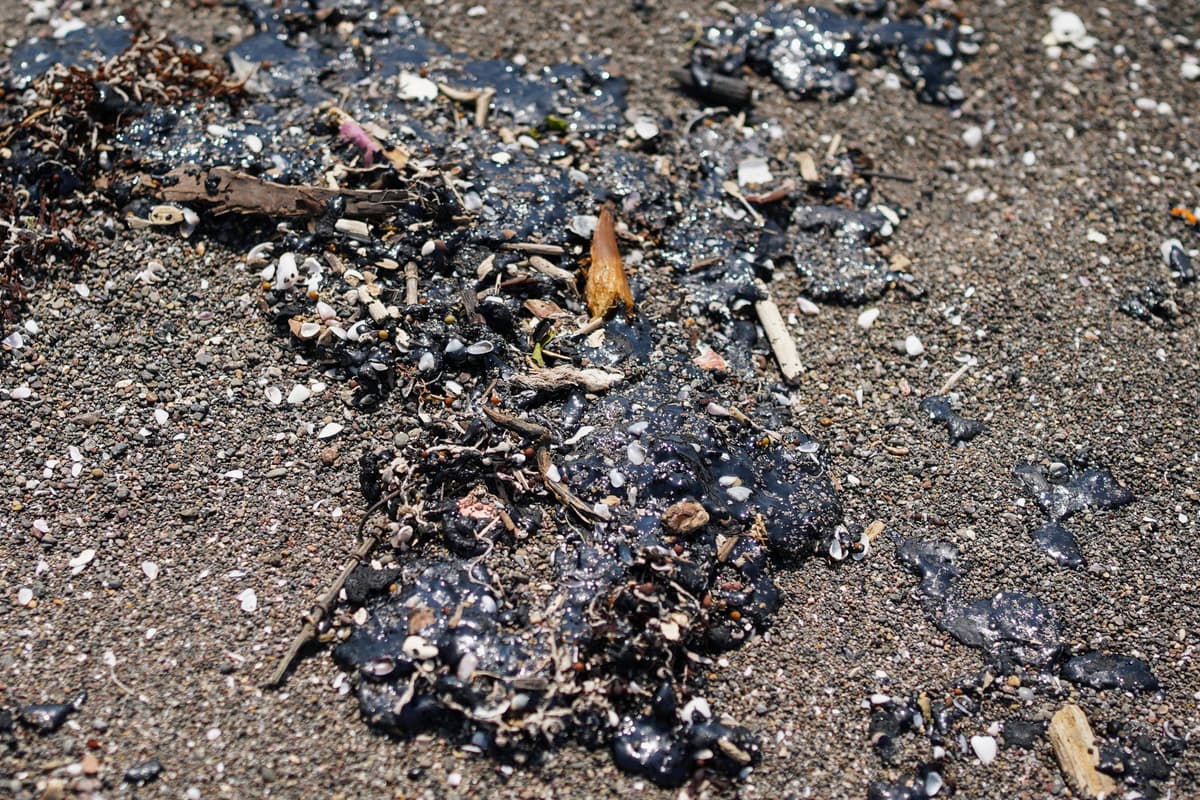
The Gulf of Mexico incident marks the latest in a series of environmental setbacks for Pemex, Mexico’s state‑run oil giant. The undersea pipeline, part of the infrastructure supporting the Abkatun platform, ruptured and discharged an estimated 800 tons of crude, contaminating beaches from Tabasco to Tamaulipas. Wildlife mortality and shoreline fouling have drawn sharp criticism from Greenpeace, the Mexico Alliance Against Fracking, and local communities, reviving debates over the adequacy of offshore safety protocols in a region already vulnerable to natural seepage and extreme weather.
Financially, the spill compounds Pemex’s precarious balance sheet. The company carries over $85 billion in debt and has been pursuing a costly restructuring to restore profitability. Cleanup costs, potential fines, and the loss of revenue from temporarily halted production could erode cash flow, prompting creditors to demand tighter covenants. Moreover, the dismissal of three employees signals an internal push to demonstrate accountability, yet investors may still question whether systemic issues—aging infrastructure and underinvestment—are being addressed.
For the broader oil and gas sector, the event serves as a cautionary tale about the hidden risks of offshore pipelines. Regulators in the United States and Mexico are likely to tighten inspection regimes, potentially increasing compliance expenses for operators across the Gulf. Insurers may reassess coverage terms, leading to higher premiums for environmental liability. Companies that proactively invest in advanced monitoring technologies and robust maintenance programs could gain a competitive edge, while those lagging may face heightened operational and reputational risks.
Pemex Undersea Pipeline Found to Cause Gulf Oil Spill
Comments
Want to join the conversation?
Loading comments...