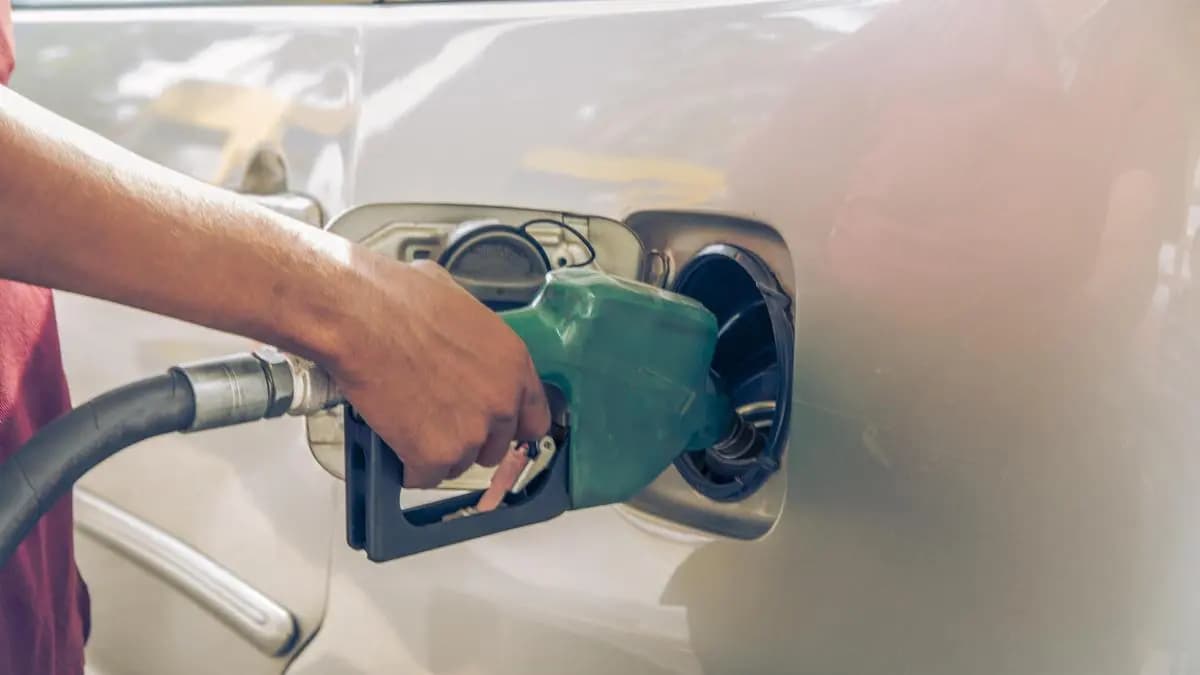
Petrol & Diesel Prices May Surge ₹25–28 per Litre After April 29 Polls: Kotak
Why It Matters
A post‑election fuel price increase would relieve refiners’ margin squeeze and shape inflation trends, directly affecting India’s broader economy and consumer purchasing power.
Key Takeaways
- •Kotak predicts ₹25‑28 ($0.30‑$0.34) per litre fuel hike post‑election
- •Refiners face ~₹270 bn ($3.3 bn) monthly loss from high crude costs
- •Excise duty cut of ₹10 ($0.12) per litre insufficient to offset price rise
- •Delayed price adjustment risks tighter margins and supply strain for refiners
- •Potential hike could lift inflation and curb consumer spending in coming months
Pulse Analysis
India’s fuel market has been under a politically driven price freeze for months, even as global crude benchmarks have surged on West‑Asian geopolitical tensions. While many oil‑importing nations have already passed higher costs onto consumers, the Indian government has kept retail petrol and diesel stable, citing electoral sensitivities. Kotak Institutional Equities’ latest note highlights that this approach is eroding refiners’ profitability, with an estimated monthly shortfall of roughly ₹270 billion ($3.3 billion). The brokerage argues that once the April 29 polls conclude, the fiscal calculus will shift, making a price adjustment almost inevitable.
The financial strain on Indian refiners is compounded by a modest ₹10‑per‑litre ($0.12) excise‑duty reduction, which fails to match the steep rise in crude import costs. Margin compression threatens not only corporate earnings but also the stability of supply chains, as refiners may curtail output to preserve cash flow. A calibrated price hike of ₹25‑28 per litre would restore a more sustainable cost‑pass‑through mechanism, allowing oil‑marketing companies to recover a larger share of their input expenses while preserving market liquidity.
Beyond the corporate balance sheet, a fuel price increase carries macro‑economic weight. Higher pump prices feed directly into headline inflation, pressuring the Reserve Bank of India’s monetary policy stance and potentially prompting tighter credit conditions. Consumer discretionary spending could also contract, especially in price‑sensitive segments such as transportation and logistics. However, aligning retail fuel prices with global benchmarks may temper demand, easing pressure on already strained supply. Stakeholders—from policymakers to investors—should monitor the post‑election window closely, as the timing and magnitude of any price revision will set the tone for India’s inflation trajectory and economic growth in the coming quarters.
Petrol & diesel prices may surge ₹25–28 per litre after April 29 polls: Kotak
Comments
Want to join the conversation?
Loading comments...