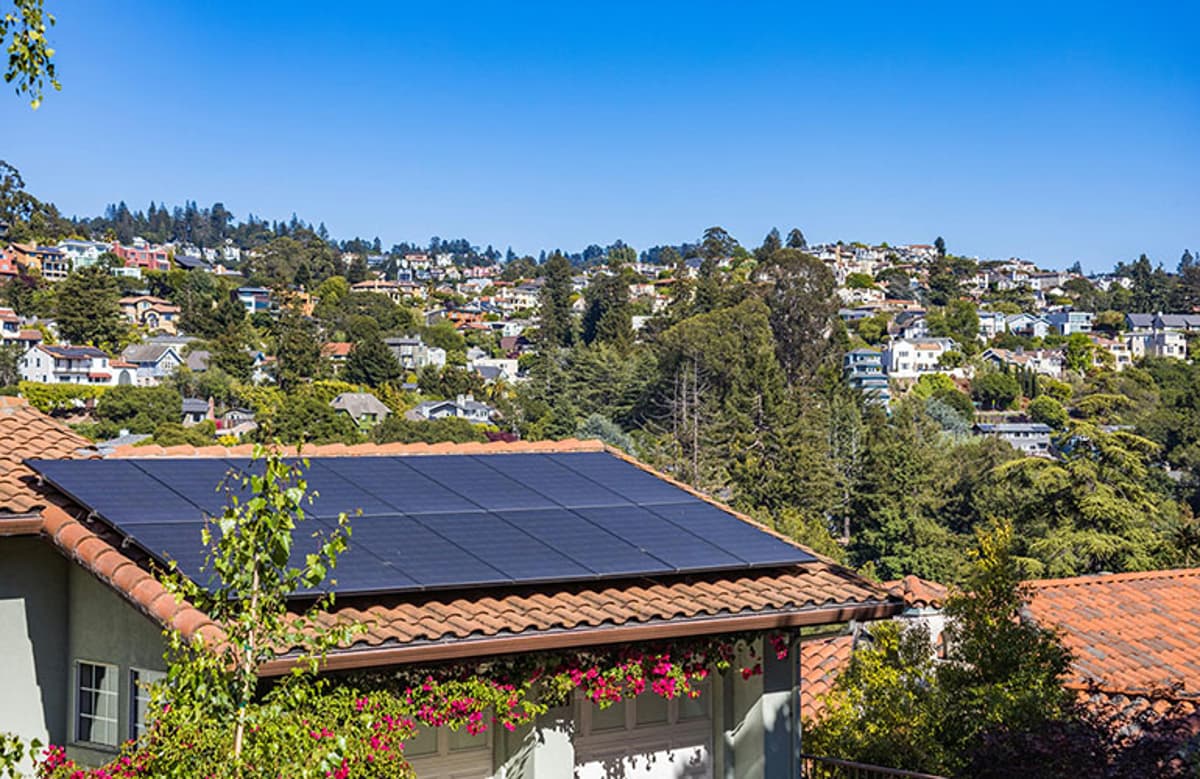
PG&E Surpasses 1 Million Customers with Solar Systems Connected to Grid
Why It Matters
Reaching one million solar connections positions PG&E as the leading U.S. utility in distributed solar adoption, accelerating grid decarbonization and resilience. The move toward virtual power plants and EV‑to‑grid services could reshape how utilities manage peak demand and renewable integration.
Key Takeaways
- •PG&E reaches 1 million solar interconnections across Northern and Central California.
- •Over 70,000 new solar installations added annually in past two years.
- •More than half a million connections occurred between 2020‑2025.
- •PG&E advancing virtual power plants to dispatch customer solar and storage.
- •Bidirectional EV charging pilots launched to enhance grid flexibility.
Pulse Analysis
California’s solar boom has reached a new inflection point as PG&E reports over one million customer connections. The utility’s footprint spans residential rooftops, commercial arrays, and utility‑scale farms, reflecting three decades of policy shifts, falling panel costs, and aggressive state clean‑energy mandates. By surpassing the million‑customer threshold, PG&E not only cements its status as the nation’s most solar‑rich utility but also demonstrates the scalability of distributed generation in a market traditionally dominated by centralized power plants.
The next chapter centers on virtual power plants (VPPs), a networked aggregation of rooftop solar and behind‑the‑meter batteries that can be dispatched like a conventional plant. PG&E’s VPP pilots aim to smooth intermittency, provide ancillary services, and defer costly transmission upgrades. Industry analysts see VPPs as a cornerstone of the future grid, offering utilities a cost‑effective lever to meet peak‑load challenges while monetizing customer‑owned assets. As battery prices continue to fall, the economic case for large‑scale VPP participation strengthens, inviting more homeowners and businesses to enroll.
Complementing VPPs, PG&E’s bidirectional EV charging pilots explore vehicle‑to‑grid (V2G) capabilities that could turn parked electric cars into distributed storage resources. By allowing EVs to feed power back during high‑demand periods, utilities can tap a rapidly growing battery pool without new infrastructure. Together, these initiatives signal a shift from passive net‑metering toward active, market‑based integration of distributed energy resources, positioning California to meet its 2030 carbon‑free electricity goal while enhancing grid reliability.
PG&E surpasses 1 million customers with solar systems connected to grid
Comments
Want to join the conversation?
Loading comments...