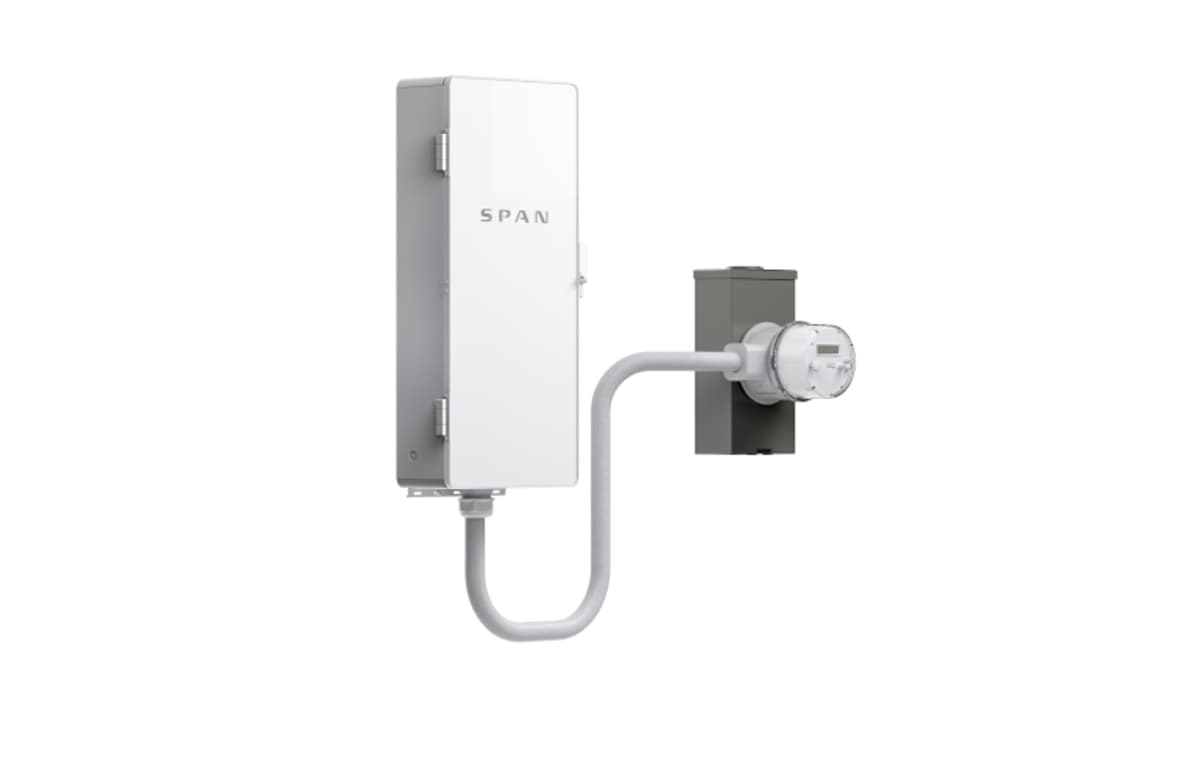
By lowering the financial and logistical barriers to residential electrification, PG&E’s adoption of SPAN Edge accelerates clean‑energy adoption while enhancing grid reliability and reducing upgrade costs for utilities and homeowners.
The residential electrification push faces a classic bottleneck: legacy electrical panels that cannot support the surge in high‑draw appliances such as heat pumps, induction stoves, and electric vehicle chargers. Utilities have traditionally responded with costly service upgrades, a process that can take months and run into tens of thousands of dollars. SPAN Edge sidesteps this constraint by installing a smart, meter‑adjacent device that dynamically throttles loads, effectively granting a household the capacity of a larger panel without physical rewiring. This approach aligns with PG&E’s broader grid‑edge strategy, which emphasizes modular, software‑driven solutions to modernize distribution networks.
From an economic standpoint, the PanelBoost program offers a compelling value proposition. Homeowners can avoid $6,000‑$40,000 panel replacements, opting instead for a $500‑$2,000 SPAN Edge installation performed by a licensed electrician. The device’s Dynamic Service Rating not only curtails peak demand but also shields local transformers from overload, translating into lower operational costs for the utility. For PG&E, the aggregated load‑shaping capability provides a flexible tool to manage demand response events, defer capital‑intensive infrastructure upgrades, and meet California’s aggressive decarbonization targets.
PG&E’s partnership with SPAN reflects a growing trend among utilities to adopt third‑party smart‑panel technologies. Companies like Landis+Gyr have already integrated similar solutions, signaling industry confidence in meter‑socket devices as a scalable path to grid modernization. As more utilities pilot these systems, regulatory frameworks may evolve to recognize and incentivize load‑management hardware, potentially unlocking new financing models for customers. The summer 2026 rollout will serve as a critical test case, offering insights into consumer adoption rates, installer experiences, and the real‑world impact on grid reliability, all of which will shape the next wave of residential electrification initiatives.
By Kelly Pickerel
SPAN Edge enables real‑time load management and allows homes to add new electric appliances or EV charging without costly electric panel or service upgrades — addressing one of the most significant barriers to residential electrification.
PG&E will deploy the new SPAN Edge devices coupled with next‑generation metering infrastructure through its new PanelBoost program, designed to reduce upgrade costs for customers adopting EVs, heat pumps, induction cooking and other high‑efficiency electric technologies. PG&E estimates that more than 600,000 homes in PG&E’s service area are likely to require some type of electric service upgrade in the next decade to meet electrification demand.
“PG&E is committed to helping our customers electrify affordably while maintaining a reliable, resilient grid,” said Mike Delaney, Vice President of Strategy & Innovation, PG&E. “Our work with SPAN aims to enable thousands of households to add electric appliances and EVs faster and without more costly panel and electric system upgrades.”
PG&E joins a growing list of energy companies and grid partners, including Landis+Gyr, utilizing SPAN Edge to enable affordable customer electrification, manage distribution system upgrades and support the clean energy transition.
“Our partnership with PG&E is a critical step in making home electrification affordable and accessible,” said Arch Rao, CEO of SPAN. “By deploying SPAN Edge at scale, we are helping PG&E customers bypass the traditional ‘panel bottleneck’ and accelerate the transition to clean energy.”
SPAN Edge uses a “Dynamic Service Rating” capability to shape home energy demand during peak events, helping protect local electric transformers and maintain grid reliability. This technology complements PG&E’s broader grid‑edge, R&D and innovation strategy to develop and deploy scalable smart‑panel and meter‑socket‑based solutions to avoid expensive service upgrades for customers.
Electricians and installers participating in early PanelBoost feedback sessions praised the program for helping customers avoid electric panel service upgrades.
“PG&E just made it possible to effectively have a 200‑amp panel by throttling the loads in their house,” one installer noted.
Customer testers echoed this sentiment, with several indicating they would have used this pathway before pursuing traditional upgrade work.
SPAN Edge devices are installed quickly at the electric meter. They offer utilities a reliable, flexible load‑shaping tool and give customers a lower‑cost path to electrification — avoiding service upgrades that can cost $6,000 to $40,000 and take months to complete. In comparison, the cost estimate for a customer to have an electrician install a SPAN Edge device through PanelBoost could be between $500 and $2,000, dependent on a range of factors.
Through PanelBoost, PG&E will supply the SPAN Edge device for customers as an add‑on to their electric meter, and customers will be responsible for the costs for an electrician to install the device and for costs to wire any new appliances and loads connecting to the device. PG&E plans to launch a website with more information about the SPAN Edge PanelBoost offering in summer 2026.
News item from PG&E
Kelly Pickerel
Kelly Pickerel has more than 15 years of experience reporting on the U.S. solar industry and is currently editor in chief of Solar Power World. Email: [email protected]
Comments
Want to join the conversation?
Loading comments...