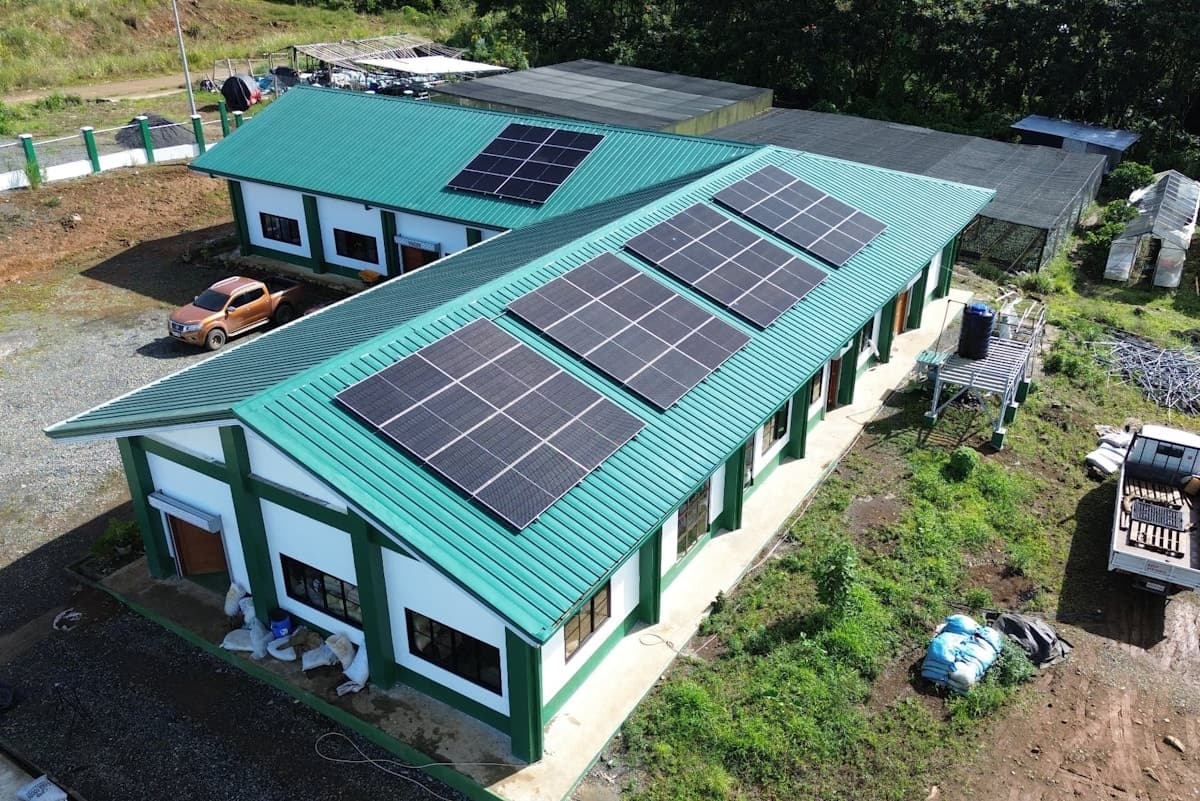
Philanthropy Asia Alliance’s Clean Energy Initiative Pledges $2.6m for Developing Southeast Asian Communities
Why It Matters
Catalytic philanthropic capital helps bridge the massive $210 billion annual climate‑finance gap in Southeast Asia, directly boosting food security, income stability, and community resilience through clean energy access.
Key Takeaways
- •JETC commits $2.6 million to renewable projects in Philippines, Indonesia
- •Grants target farming cooperatives, fisheries, and clean cold‑chain facilities
- •Funding aims to replace diesel, cut emissions, boost local processing capacity
- •Initiative showcases growing Asian philanthropy focus on energy as livelihood foundation
- •Catalytic capital addresses part of $210 billion annual climate‑finance gap
Pulse Analysis
Southeast Asia faces a staggering $210 billion yearly shortfall in climate‑aligned investment, a gap that traditional development banks and private capital have struggled to fill. Philanthropic actors are stepping into this void, leveraging smaller, agile pools of capital to pilot high‑impact solutions. The Just Energy Transition Community (JETC) exemplifies this trend, directing $2.6 million toward projects that marry renewable energy with food‑system resilience. By targeting rural farming cooperatives and coastal fishing villages, the initiative tackles two of the region’s most vulnerable sectors, delivering solar power to coffee processors in Mindanao and clean cold‑chain infrastructure for fishers in Indonesia’s Maluku province.
The design of JETC’s funding—grant tranches released after rigorous due diligence—ensures that each dollar is tied to measurable outcomes such as diesel fuel reduction, emissions cuts, and increased market prices for agricultural produce. Early pilots suggest that solar‑powered processing can lift productivity by up to 30%, while refrigerated storage extends fish shelf‑life, enabling higher prices and reducing post‑harvest loss. These tangible benefits illustrate how modest philanthropic sums can act as leverage, attracting additional private or public financing once proof of concept is established.
Beyond the immediate impact, JETC signals a strategic pivot in Asian philanthropy: clean energy is no longer a niche climate issue but a foundational element of economic dignity. As more funders align around energy access, the sector is likely to see a surge in collaborative models that blend grant‑making with technical expertise and market‑based incentives. This evolution could accelerate the region’s overall transition, making clean, affordable power a driver of inclusive growth rather than a peripheral environmental goal.
Philanthropy Asia Alliance’s clean energy initiative pledges $2.6m for developing Southeast Asian communities
Comments
Want to join the conversation?
Loading comments...