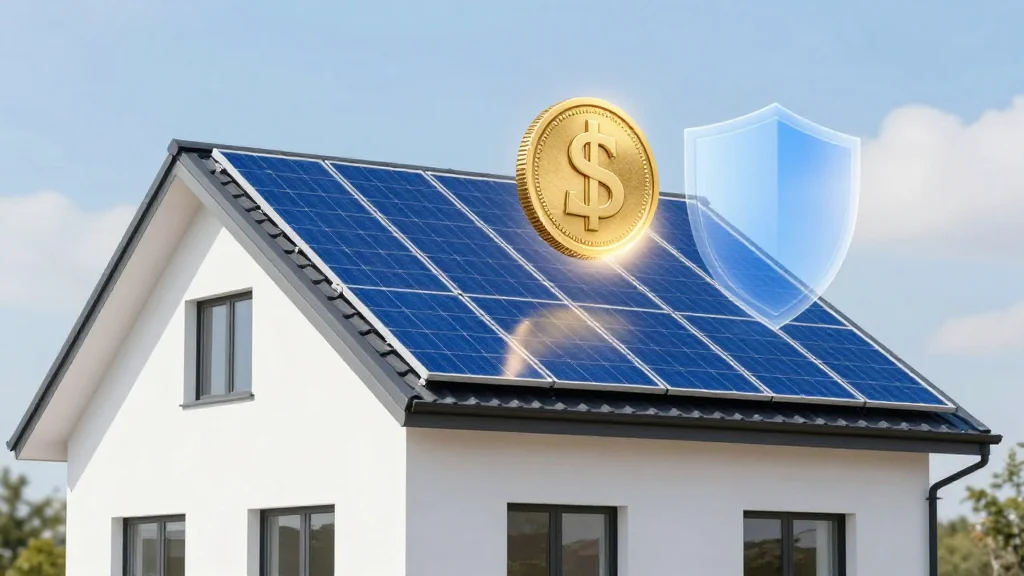
Philippine Pension Fund for Gov’t Retirees Powers Solar Rooftops
Why It Matters
Low‑cost, insured financing can accelerate residential solar adoption among stable‑income households, cutting electricity bills and easing grid strain. The initiative signals a shift toward government‑backed clean‑energy financing, potentially reshaping the Philippines’ energy transition.
Key Takeaways
- •GSIS allocates ₱12.5 billion ($223 million) for residential solar loans.
- •Loans up to ₱500,000 ($8,900) at fixed 5% interest, five‑year term.
- •Insurance coverage worth ₱60 million ($1.07 million) bundled with loans.
- •Targeted at government employees with at least three years service.
- •Program could expand rooftop solar market and ease grid peak demand.
Pulse Analysis
The Philippines has long grappled with high electricity tariffs and a fragmented renewable‑energy rollout. While utility‑scale solar projects dominate headlines, residential adoption remains limited by upfront capital costs and perceived risk, especially in a country prone to typhoons and seismic activity. Government‑driven financing mechanisms are rare, leaving most households to rely on private installers or corporate‑sponsored schemes. In this context, GSIS’s entry into the market marks a pivotal shift, introducing a public‑sector catalyst that could democratize access to clean power.
GSIS’s Ginhawa Solar Energy Loan offers up to ₱500,000 ($8,900) per household at a fixed 5% annual rate, payable over five years, and includes a dedicated insurance pool of ₱60 million ($1.07 million). The loan’s design—requiring only a supplier quotation and no service fees—targets government employees with at least three years of service, a demographic that enjoys stable incomes but often lacks liquid assets for large upgrades. By bundling insurance, the program directly addresses the chief deterrent for many Filipinos: the vulnerability of rooftop panels to extreme weather. This risk‑mitigation layer not only protects borrowers but also builds confidence in the broader solar supply chain.
If the pilot achieves strong uptake, it could serve as a template for other state‑run lenders, expanding the addressable market for residential solar and creating a ripple effect across the energy ecosystem. Greater rooftop penetration would smooth peak‑hour demand, lower overall grid stress, and generate ancillary revenue through net‑metering credits. However, success hinges on installation capacity, supply‑chain resilience, and effective outreach to eligible members. Should these hurdles be overcome, the GSIS initiative could accelerate the Philippines’ transition to a more distributed, resilient, and low‑carbon electricity system.
Philippine Pension Fund for Gov’t Retirees Powers Solar Rooftops
Comments
Want to join the conversation?
Loading comments...