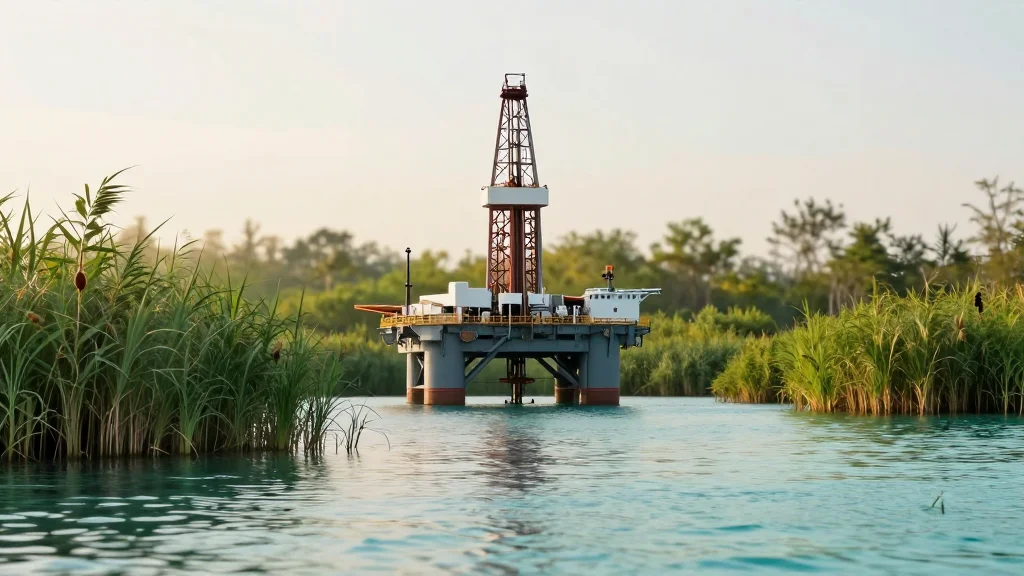
Philippines Revives Liguasan Marsh Drilling Push Amid Energy Crisis

Why It Matters
The Liguasan Marsh proposal sits at the intersection of energy security, regional development, and biodiversity conservation. A successful drill could reduce the Philippines’ near‑total dependence on imported crude, cushioning the economy from geopolitical shocks that have already driven up fuel costs for Filipino households. Conversely, the project threatens a unique ecosystem that supports endangered species and provides critical ecosystem services such as flood mitigation and carbon sequestration. The outcome will signal how the country balances immediate energy needs with long‑term environmental commitments. Moreover, the case illustrates the broader challenge facing emerging economies: leveraging domestic fossil‑fuel resources to address short‑term shortages while navigating global pressure to transition to cleaner energy. The decision will influence future investment patterns in the region and could set a precedent for how autonomous regions within the Philippines negotiate resource development.
Key Takeaways
- •Bangsamoro officials aim to develop 202 million barrels of crude and 6 billion cubic feet of gas in Liguasan Marsh.
- •The marsh spans 288,000 hectares and hosts endangered species, including the Philippine crocodile.
- •Philippines imports 98% of its crude oil, primarily from the Middle East.
- •Exploration halted in the 1990s due to conflict with the Moro Islamic Liberation Front.
- •SK Liguasan Oil and Gas Corp holds a 2022 exploration contract but awaits BARMM clearances.
Pulse Analysis
The renewed drilling push reflects a classic resource dilemma: a country facing acute energy shortages turns to domestic fossil reserves despite environmental costs. Historically, the Philippines has relied on imported oil, making it vulnerable to external supply shocks, as seen with the recent Middle‑East conflict that disrupted the Strait of Hormuz. By tapping Liguasan Marsh, the government hopes to create a strategic buffer, but the scale of the reserves—while significant—remains modest compared with global supply, suggesting the project is more about political signaling than achieving energy independence.
From a geopolitical perspective, the involvement of a Chinese‑interested partner that later withdrew hints at the broader contest for influence in Southeast Asia’s energy sector. The Philippines must balance courting foreign investors with safeguarding sovereignty and environmental standards. The BARMM’s autonomy adds another layer, as regional authorities now wield greater say over resource allocation, potentially reshaping the nation’s energy policy.
Looking ahead, the project’s viability will depend on the ability of the Bangsamoro government to streamline permitting while addressing NGOs’ legal challenges. If the drilling proceeds, it could attract ancillary industries—refining, petrochemicals, and logistics—stimulating the regional economy. However, any misstep could trigger international criticism and domestic backlash, especially as the global community accelerates the shift toward renewables. The Liguasan case will likely become a litmus test for how resource‑rich, energy‑importing nations navigate the transition era.
Philippines Revives Liguasan Marsh Drilling Push Amid Energy Crisis
Comments
Want to join the conversation?
Loading comments...