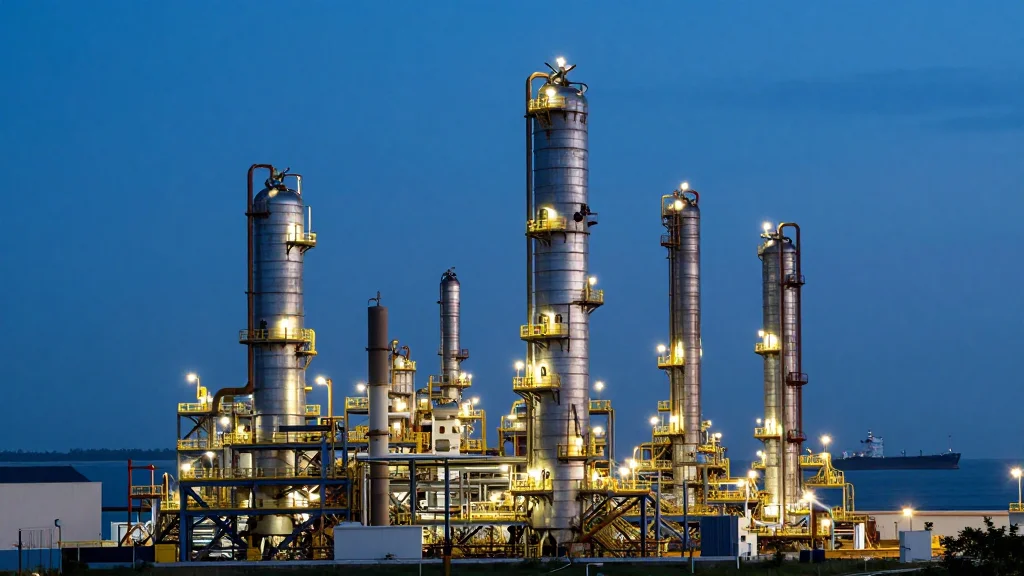
Phillips 66 Sees Reason for Optimism for US Downstream
Why It Matters
U.S. downstream stability mitigates geopolitical risk, protecting earnings for refiners and ensuring fuel availability for consumers. The insight signals a competitive edge for domestic players over international rivals.
Key Takeaways
- •US refineries have high crude flexibility, reducing reliance on Middle East
- •Domestic pipeline network buffers against Hormuz shipping disruptions
- •Phillips 66 expects stable margins despite geopolitical tensions
- •Strategic petroleum reserves provide additional supply security
- •Analysts cite inventory builds supporting downstream optimism
Pulse Analysis
The Strait of Hormuz has long been a chokepoint for global oil flows, and any disruption can reverberate through refining margins worldwide. Phillips 66’s recent commentary highlights how the United States has insulated its downstream ecosystem through a combination of infrastructure and policy. A dense network of pipelines links Gulf production to inland refineries, while the nation’s refining complex can switch between crude grades, allowing operators to substitute domestic light sweet crude for imported heavy barrels when shipping routes are threatened.
Beyond physical assets, the United States leverages its Strategic Petroleum Reserve (SPR) as a strategic hedge. The SPR’s 714 million barrel capacity can be tapped to offset short‑term supply gaps, a capability that many overseas competitors lack. Coupled with historically high inventory levels in commercial tanks, these buffers dampen price volatility and support stable crack spreads, which are crucial for downstream profitability. Analysts note that recent inventory builds have already provided a cushion against potential Hormuz disruptions, reinforcing the sector’s resilience.
For investors and industry stakeholders, Phillips 66’s optimism signals a broader trend: U.S. downstream firms may enjoy a relative advantage in a geopolitically volatile environment. This could translate into steadier cash flows, lower risk premiums, and potentially higher dividend yields for shareholders. As global tensions ebb and flow, the ability to maintain consistent fuel supplies without relying heavily on volatile overseas routes will remain a key differentiator for American refiners in the competitive energy landscape.
Phillips 66 Sees Reason for Optimism for US Downstream
Comments
Want to join the conversation?
Loading comments...