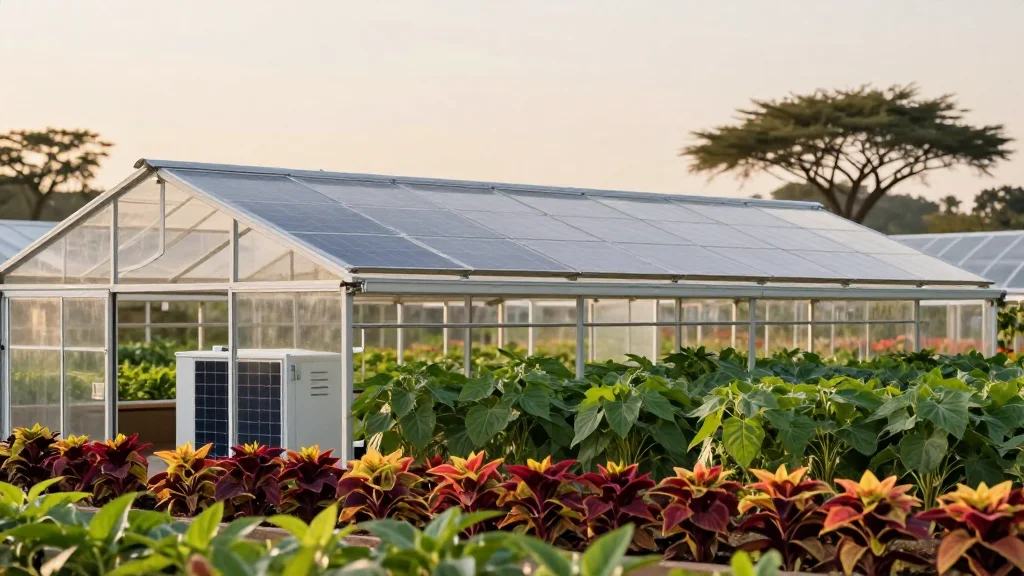
Pilot Initiative to Test Transparent Solar Films in West Africa
Why It Matters
The initiative links renewable energy with food security, offering a replicable solution for energy‑poor regions while unlocking significant investment opportunities in Africa’s fast‑growing agribusiness sector.
Key Takeaways
- •Transparent solar film enables simultaneous crop growth and power generation
- •Pilot targets nutrient‑rich crops to combat vitamin A deficiency
- •System provides off‑grid electricity for cooling, refrigeration, medical storage
- •Project aims £300 million investment across five years in Africa
- •Expected to create local jobs and develop renewable energy skills
Pulse Analysis
Agrivoltaics—combining solar power with agriculture—has moved from concept to field trials, and NextGen Nano’s transparent organic film pushes the technology further. By allowing sunlight to pass through while harvesting a portion as electricity, the PolyPower™ film maintains high photosynthetic rates, enabling greenhouse growers to produce crops year‑round without sacrificing yield. This dual‑use approach is especially valuable in West Africa, where solar irradiance is abundant but reliable grid power remains scarce, creating a compelling case for decentralized, renewable‑energy‑driven farming.
Beyond energy, the pilot tackles pressing health challenges. The selected crops—amaranth, African nightshade, cowpea leaves, spider plant, moringa and kale—are rich in vitamin A and iron, nutrients critical for preventing childhood blindness and anemia. By powering refrigeration and vaccine storage, the system also strengthens medical cold‑chain logistics, reducing reliance on diesel generators and improving vaccine efficacy. Integrating nutrition and health outcomes positions the project as a holistic development tool rather than a single‑purpose energy installation.
The financial and market implications are significant. With the World Bank projecting Africa’s agribusiness sector to reach $1 trillion by 2030 and 600 million people lacking electricity, scalable agrivoltaic solutions attract both public and private capital. NextGen Nano’s £300 million five‑year investment target signals confidence in the model’s profitability and social impact. Successful pilots could catalyze policy incentives, stimulate local job creation, and encourage partnerships among governments, development banks, and agritech investors, reshaping the continent’s food‑energy landscape.
Pilot initiative to test transparent solar films in West Africa
Comments
Want to join the conversation?
Loading comments...