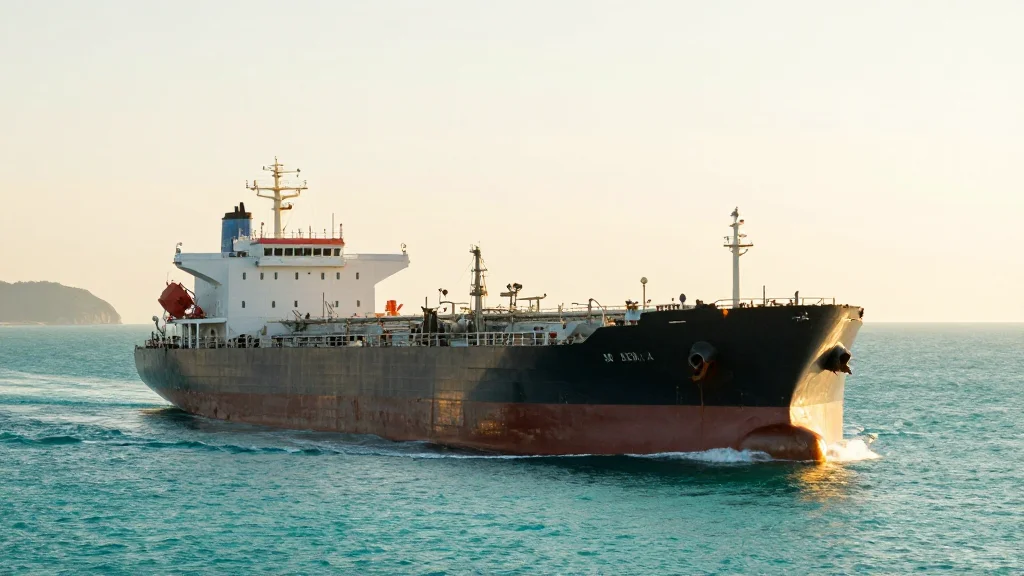
'Point of No Return': A Research Firm Says the Oil Market Is Headed for a Dire Turning Point by Early June
Why It Matters
A sudden panic‑driven surge in oil prices would strain economies, amplify inflation, and force policymakers and investors to reassess risk exposure across energy markets.
Key Takeaways
- •HFI predicts oil panic if Strait of Hormuz stays closed early June
- •U.S. crude inventories fell to 1.6 billion barrels, down 67 million
- •Brent crude has remained above $100 per barrel for weeks
- •HFI warns price could spike past $150 a barrel
- •Potential shortage may trigger panic‑buying and global hoarding
Pulse Analysis
The looming possibility of a closed Strait of Hormuz has reignited concerns about a supply shock in the world’s most vital energy corridor. While the conflict in the Middle East has settled into a tactical stalemate, the strategic chokepoint remains vulnerable. HFI Research’s latest Substack post highlights that a continued closure through early June could push the market into a panic phase, a scenario that diverges sharply from the more optimistic forecasts of a quick return to normalcy. This analysis underscores how geopolitical bottlenecks can quickly translate into price volatility, especially when market participants are already on edge.
Inventory data adds urgency to the narrative. The U.S. Energy Information Administration reported that commercial crude stocks fell to roughly 1.6 billion barrels for the week ending May 8, a decline of 67 million barrels since early April. Such a rapid drawdown erodes the buffer that has historically cushioned price spikes. HFI argues that the market’s psychological bias—an underestimation of the speed at which inventories could be exhausted—may have lulled sell‑side analysts into complacency. As reserves thin, the risk of a self‑reinforcing cycle of panic‑buying and hoarding becomes more tangible.
If panic materializes, price trajectories could eclipse $150 a barrel, a level not seen since the early 2000s. For investors, this signals a need to revisit exposure to energy equities, commodity futures, and inflation‑linked assets. Policymakers may also feel pressure to release strategic petroleum reserves or engage in diplomatic efforts to reopen the strait. Ultimately, the market’s next move hinges on both the geopolitical calculus surrounding the Hormuz corridor and the remaining depth of global oil inventories, making the coming weeks a critical barometer for energy stability.
'Point of no return': A research firm says the oil market is headed for a dire turning point by early June
Comments
Want to join the conversation?
Loading comments...