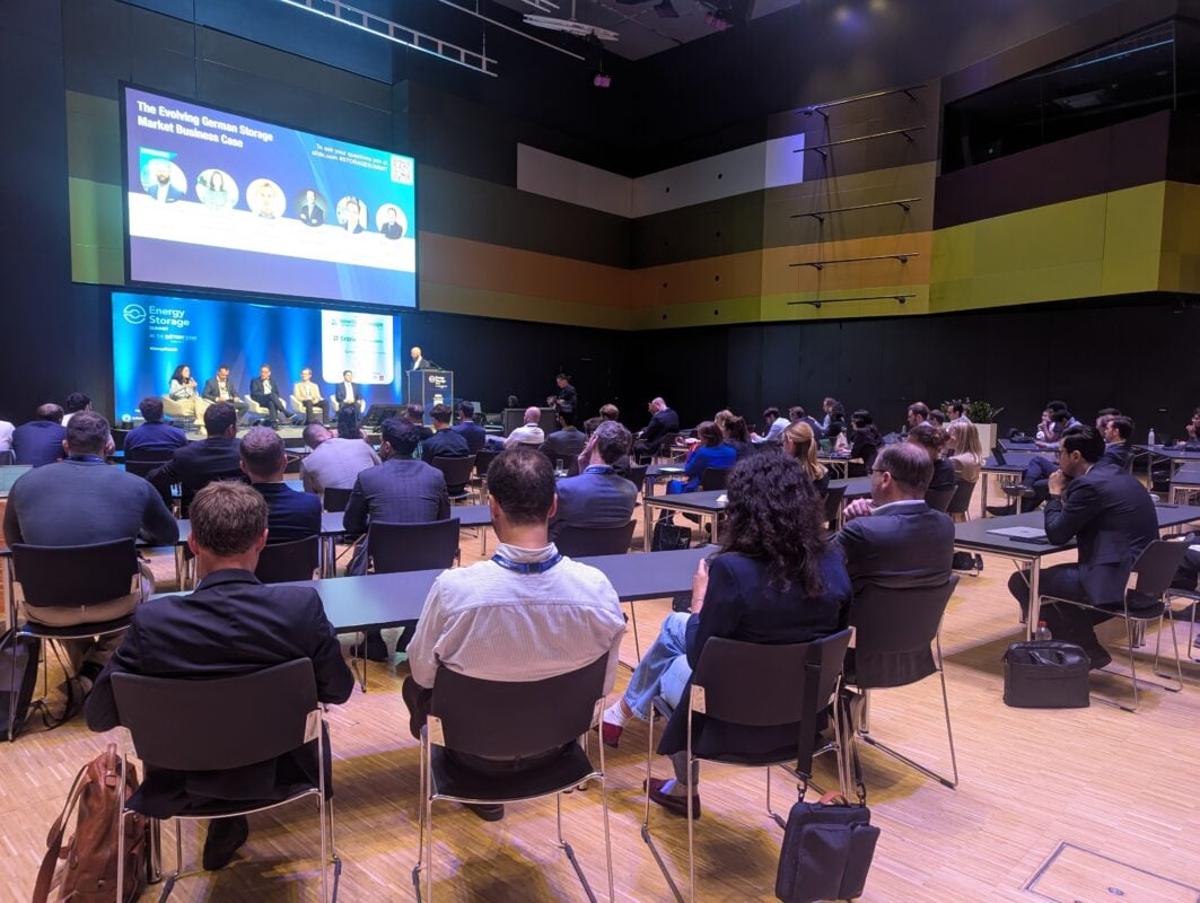
Policy Clarity on FCAs, Grid Fees Needed to Realise the Potential of German BESS
Why It Matters
Without clear rules, investors hesitate, slowing BESS deployment that is crucial for Germany’s renewable‑energy targets and grid stability. Policy certainty could unlock significant capital and accelerate market consolidation.
Key Takeaways
- •Grid‑fee exemptions secured through 2029, but policy still uncertain.
- •No legal definition for storage hampers fee, tax treatment.
- •Flexible Connection Agreements lack standard, creating financing risk.
- •Industry likens German market to “Groundhog Day” of policy swings.
- •Clear policy could unlock billions in BESS investment and consolidation.
Pulse Analysis
Germany’s BESS market sits at a crossroads, where regulatory gaps outweigh technical progress. Although the recent grid‑fee exemption through 2029 removes a major cost barrier, the absence of a statutory definition for energy storage forces projects to absorb overlapping taxes and levies. This regulatory limbo not only inflates operating expenses but also complicates the accounting treatment for investors, making the business case appear less attractive despite Germany’s ambitious renewable‑energy roadmap.
A second hurdle is the nascent Flexible Connection Agreement (FCA) framework. FCAs promise a tailored interface between storage assets and grid operators, yet without a standardized template, each deal requires extensive negotiation and bespoke risk assessments. Banks and project financiers view this variability as a red flag, often demanding higher equity cushions or abandoning deals altogether. Nevertheless, proponents argue that the flexibility of FCAs could be harnessed to adapt to Germany’s evolving grid needs, provided a clear regulatory baseline is established.
For capital providers and developers, the path forward hinges on decisive policy action. A unified definition of storage, coupled with transparent fee structures and a standardized FCA regime, would reduce transaction costs and accelerate financing pipelines. Such clarity could trigger a wave of consolidation similar to the solar PV shake‑up in Italy and Spain, unlocking billions of dollars in investment and positioning Germany as a leader in large‑scale battery integration across Europe.
Policy clarity on FCAs, grid fees needed to realise the potential of German BESS
Comments
Want to join the conversation?
Loading comments...