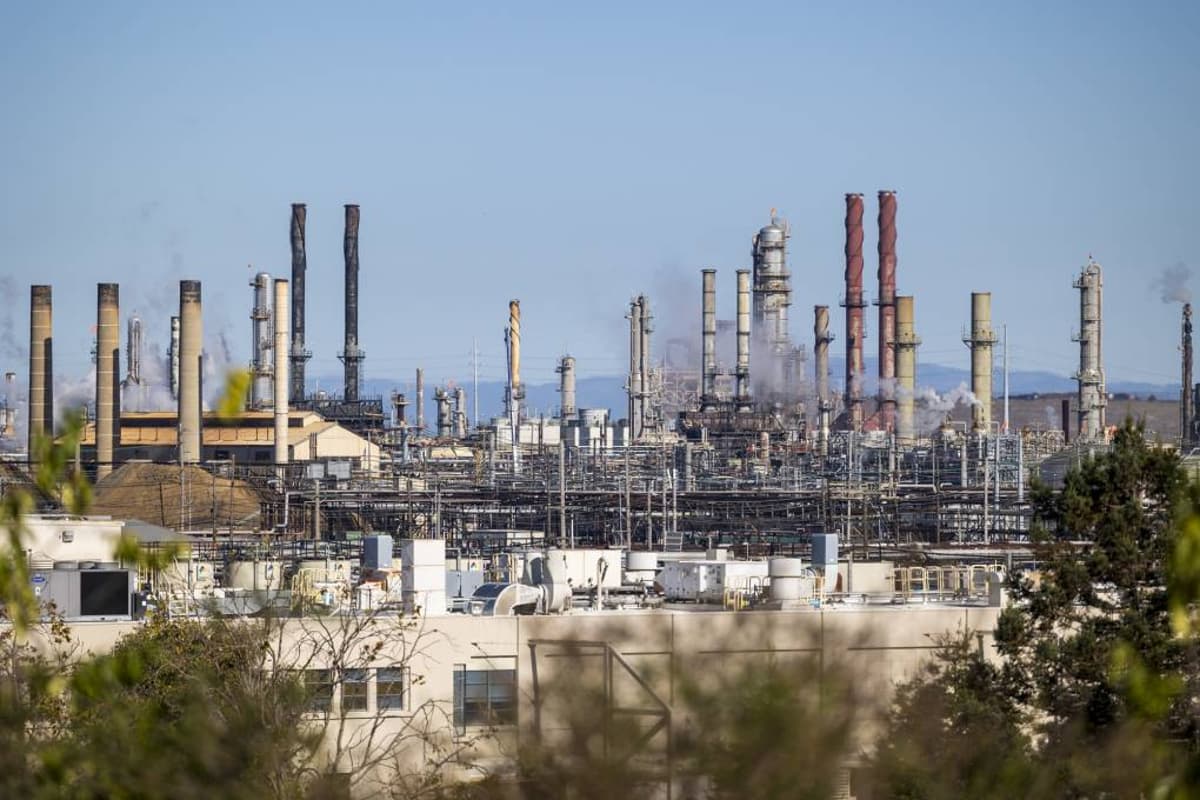
Pollution Release at Chevron’s Richmond Refinery Was Triggered by a Bird
Companies Mentioned
Why It Matters
The release highlights vulnerabilities in refinery power redundancy and the environmental impact of emergency flaring, prompting regulator scrutiny. It also underscores the need for robust wildlife mitigation around critical infrastructure.
Key Takeaways
- •Power outage caused Chevron to flare 3,000 lbs sulfur dioxide.
- •A raptor short‑circuited PG&E line, triggering the outage.
- •Flaring visible from Bay Bridge; community received Level One alert.
- •Flare incidents fell from 40 in 2019 to 10 in 2024.
Pulse Analysis
Chevron’s Richmond refinery, one of the West Coast’s largest, relies on a mix of external grid power and an on‑site cogeneration plant. When PG&E removed a transmission line for maintenance, a sudden fault on the remaining line—caused by a raptor striking both a wire and tower—shut down the external supply. Lacking sufficient internal generation, the refinery activated its flare system for eight hours, venting more than 3,000 pounds of sulfur dioxide into the Bay Area atmosphere. The incident illustrates how even a single wildlife interaction can cascade into a major operational disruption for energy‑intensive facilities.
The immediate health implications of the sulfur dioxide release are notable. Inhalation can provoke wheezing, shortness of breath, and chest tightness, especially for vulnerable populations such as asthmatics and the elderly. Local authorities responded with a Level One Community Warning, a protocol that alerts residents to hazardous air events, and the plume was visible from the Bay Bridge, raising public concern. Regulators from the Bay Area Air District and the California Public Utilities Commission have opened investigations, focusing on both the adequacy of emergency response and the adequacy of power redundancy safeguards.
Industry‑wide, the episode arrives as refineries are under pressure to curb flaring, a practice traditionally used to manage excess gases. Chevron’s own data show a steep decline in flare events—from 40 in 2019 to just 10 in 2024—reflecting investments in process optimization and emissions controls. Yet the Richmond incident underscores that operational resilience depends not only on technology but also on external risk factors like wildlife. Moving forward, utilities and refineries may need to integrate bird‑strike mitigation measures and enhance on‑site power generation to reduce reliance on vulnerable grid connections, aligning safety, environmental, and community expectations.
Pollution Release at Chevron’s Richmond Refinery Was Triggered by a Bird
Comments
Want to join the conversation?
Loading comments...