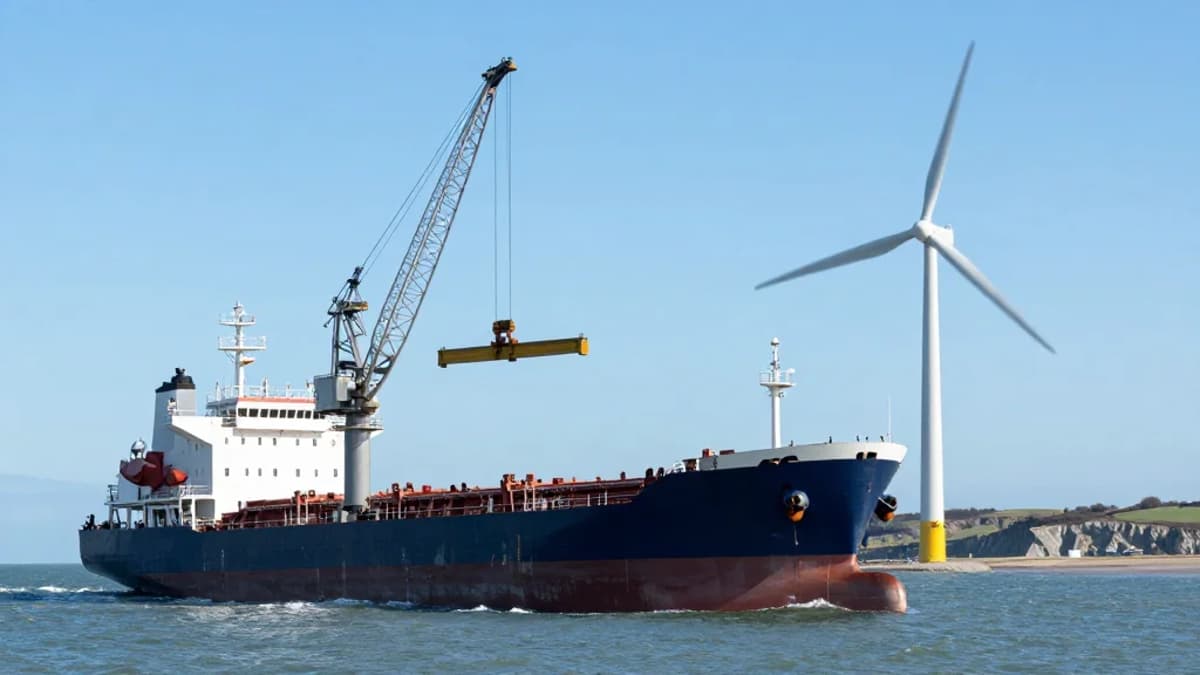
Port Pitching for Offshore Wind Hub Says Turbine Trade Could More than Double Its Shipping Traffic
•March 10, 2026
0
Why It Matters
The VRET would provide critical infrastructure to unlock Victoria’s offshore‑wind pipeline, accelerating renewable‑energy capacity while reshaping the region’s logistics and employment landscape. Its approval also signals Australia’s ability to balance large‑scale clean‑energy projects with stringent environmental safeguards.
Key Takeaways
- •Vessel visits could rise from 150 to 350 annually.
- •VRET aims to import, store, assemble turbine components.
- •Modified plan impacts less than 0.03% of Ramsar wetlands.
- •Port deepening required for heavy‑lift offshore wind vessels.
- •Project expected to generate thousands of Victorian jobs.
Pulse Analysis
Australia’s offshore‑wind ambitions are accelerating, with Victoria committing to 2 GW by 2032, 4 GW by 2035 and 9 GW by 2040. To meet those milestones, the state has identified the Port of Hastings as the preferred site for a Victorian Renewable Energy Terminal (VRET), a dedicated hub that would handle the import, storage and pre‑assembly of turbine blades, towers and nacelles too large for road or rail. The port’s proximity to Gippsland’s wind‑farm zone, its existing rail‑road network and its position as the only commercial east‑Melbourne port make it a logistically attractive choice.
The VRET proposal initially ran into a federal EPBC assessment because the original footprint threatened the Western Port Ramsar wetlands, a globally protected mudflat system. A revised design now limits disturbance to less than 0.03 % of the 60,000‑hectare area, focusing impacts on a narrow reclamation zone and promising localized, manageable effects on seagrass and waterbirds. Nonetheless, the required deepening of the approach channel from 9 m to depths suitable for heavy‑lift, jack‑up and semi‑submersible vessels remains under close environmental scrutiny, with dredging impacts a key condition of approval.
If approved, the VRET could more than double Hastings’ annual vessel traffic, rising from roughly 150 calls to about 350—a vessel per day—creating a steady flow of heavy‑lift ships and supply vessels. The construction and operational phases are projected to generate thousands of jobs across manufacturing, logistics and maintenance, while anchoring a domestic supply chain for turbine components. For the broader offshore‑wind market, a dedicated Australian hub reduces reliance on overseas staging ports, shortens project timelines and strengthens Victoria’s position as a renewable‑energy export corridor.
Port pitching for offshore wind hub says turbine trade could more than double its shipping traffic
0
Comments
Want to join the conversation?
Loading comments...