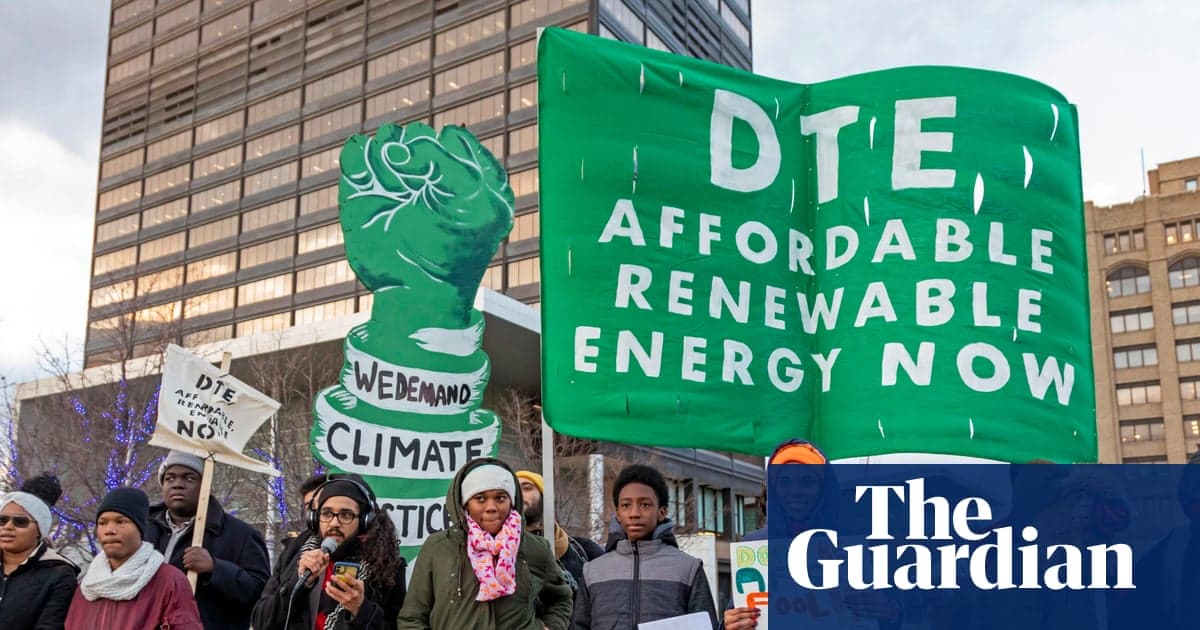
Powerful US Utilities Secretly Fund ‘Grassroots’ Groups to Sway Cities Away From Switch to Public Power
Why It Matters
The covert funding threatens transparent public‑policy debates and could stall the shift toward lower‑cost, locally controlled energy systems, reshaping the utility market’s profit landscape.
Key Takeaways
- •DTE funded Ann Arbor Responsible Energy Coalition with nearly $2 million.
- •Front groups spread false cost claims to block municipalization.
- •Municipal utilities typically charge 14 % less than private utilities.
- •Similar industry‑backed fronts operate in Florida and Maine.
- •Public‑power advocates push city votes despite utility opposition.
Pulse Analysis
Municipalization has emerged as a grassroots response to soaring electricity bills and unreliable service, offering cities the chance to own and operate their grids. Public‑power entities, which serve roughly 2,000 communities nationwide, consistently deliver rates about 14 % lower than private utilities because they do not need to generate returns for Wall Street shareholders. This cost advantage, coupled with greater accountability to local residents, fuels a growing movement in places like Ann Arbor, where officials are considering a city‑wide vote to replace DTE Energy’s franchise with a municipal utility.
DTE Energy’s strategy illustrates how incumbent utilities are fighting back through astroturf campaigns. By establishing the Ann Arbor Responsible Energy Coalition and funneling almost $2 million into its operations, DTE has been able to circulate door‑hangers and digital ads that exaggerate potential debt—up to $1 billion—and predict a 40 % rate surge. Similar front groups, such as the Clearwater Energy Alliance and Pinellas Energy Alliance, have been linked to Duke Energy in Florida, sharing phone numbers, messaging templates, and even a common consulting firm, Salt Public Affairs. These coordinated efforts rely on opaque financing, often hidden under the guise of local grassroots activism, to shape public opinion and influence municipal decisions.
The broader implications are significant for policymakers and investors alike. If utilities succeed in stalling municipalization, they preserve billions in future revenue streams and maintain the status quo of profit‑driven rate structures. Conversely, heightened scrutiny of front‑group financing could trigger stricter disclosure rules and empower citizen‑led campaigns. For the clean‑energy transition, transparent debates are essential; municipalities that gain control of their grids are better positioned to integrate renewable resources and pursue long‑term resilience goals. As the utility industry’s covert lobbying tactics come under public light, the balance of power may shift toward more community‑centric energy models.
Powerful US utilities secretly fund ‘grassroots’ groups to sway cities away from switch to public power
Comments
Want to join the conversation?
Loading comments...